
Alder Flycatcher vs Willow Flycatcher
Empidonax alnorum contro Empidonax traillii
Fai un quiz con Alder Flycatcher e Willow Flycatcher
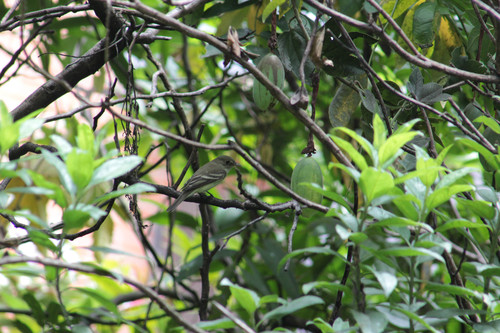 Alder Flycatcher
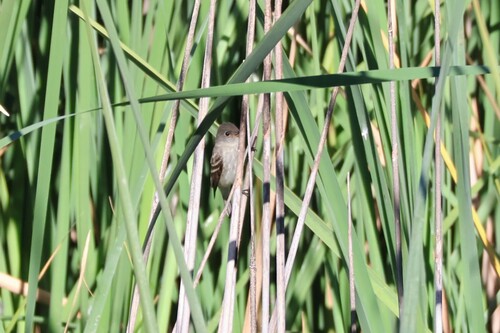 Willow Flycatcher
In breve
Alder e Willow Flycatchers sono quasi identici sul campo, specialmente nel piumaggio adulto, ma prestare attenzione a sottili differenze nel colore del becco, nel contrasto del petto e nelle barre alari giovanili può aiutare. I giovani Alder Flycatchers mostrano parti superiori più marroni e parti inferiori più giallastre rispetto a Willow, con barre alari più chiare. Negli adulti posati, Alder mostra spesso una corona olivastro scura, una banda del petto più distinta e un mandibola inferiore rosata o giallo-arancione, mentre il becco di Willow è più arancione sotto e grigio sopra. Entrambe le specie sono meglio separate per voce, ma nei uccelli silenziosi, questi dettagli—specialmente nei giovani freschi—possono offrire indizi. Aspettati sovrapposizioni e incertezze, poiché anche gli esperti faticano con Empidonax silenziosi.
Consigli di identificazione
- Juvenile plumage: Cerca parti superiori marroni e parti inferiori giallastre con barre alari chiare nei giovani Alder Flycatchers; questo è meno pronunciato in Willow, che tende ad essere più opaco e meno contrastante. Questo segno è più utile alla fine dell'estate e all'inizio dell'autunno.
- Breast band: Alder Flycatcher mostra spesso una banda del petto più distinta e scura contro una gola bianca, mentre il petto di Willow è più uniformemente lavato di olivastro-grigio con meno contrasto.
- Crown color: La corona di Alder è leggermente più scura di verde oliva rispetto alla schiena, a volte dando un aspetto di cappuccio; la corona di Willow non è così distinta dalla schiena.
- Bill color: Da viste ravvicinate, la mandibola inferiore di Alder è rosata o giallo-arancione con una mandibola superiore nera; la mandibola inferiore di Willow è più arancione e quella superiore è grigia. Questo è sottile e può essere influenzato dalla luce.
- Eye ring: Entrambi hanno anelli oculari bianchi sottili, ma quello di Willow è meno distinto, a volte apparendo quasi assente in uccelli usurati.
- Wingbars: Entrambe le specie hanno barre alari bianche e bordi terziali pallidi; nei giovani freschi, le barre alari di Alder sono più chiare e più contrastanti.
- Tail flicking: Alder Flycatcher spesso muove la coda verso l'alto, specialmente quando canta o è agitato. Willow lo fa meno frequentemente.
- Primary projection/wing formula: Non descritto in dettaglio qui, ma il rapporto delle lunghezze delle penne primarie può separare queste specie a mano o in foto di alta qualità. Non pratico sul campo con i binocoli.
- Overall jizz: Entrambi sono piccoli, dritti flycatchers con postura e comportamento di foraggiamento simili; la struttura non è un separatore affidabile.
- Habitat: Entrambi usano cespugli umidi, ma Alder è più legato a boschetti di ontano, betulla e acero. Willow è più flessibile ma questo non è un segno forte nei zone di sovrapposizione.
- Vocalizations: Se l'uccello sta cantando, usa il canto come tuo segno principale—il 'fee-bee-o' di Alder è distintivo. Le chiamate sono meno affidabili a meno che non siano ben conosciute.
- Season: I segni del piumaggio giovanile sono più utili alla fine dell'estate e all'inizio dell'autunno. Gli adulti in piumaggio riproduttivo sono estremamente simili.
- Sex: Nessun dimorfismo sessuale affidabile in entrambe le specie.
- Pitfalls: Fai attenzione alla sovrapposizione e alla variazione individuale; gli Empidonax silenziosi sono spesso meglio lasciati non identificati a meno che non vocalizzino o siano in mano.
- Confidence: Se non riesci a sentire l'uccello, tratta qualsiasi identificazione come provvisoria a meno che più segni sul campo non si allineino.
Taglia
Entrambe le specie sono molto simili in dimensioni, con il Willow Flycatcher che pesa in media circa 12,6 g [wikidata]. Alder Flycatcher è noto come uno dei più grandi Empidonax, con un intervallo di massa di 12–14 g e una lunghezza di 13–17 cm [wikipedia], ma questa differenza non è affidabile sul campo. Aspettati che sembrino e si sentano della stessa dimensione attraverso i binocoli.
Piumaggio
I giovani Alder Flycatchers hanno parti superiori marroni, parti inferiori gialle e barre alari giallastre o chiare, che possono essere leggermente più calde e più contrastanti rispetto a quelle dei giovani Willow, anche se i giovani Willow non sono descritti in dettaglio qui. Negli adulti, le parti superiori di Alder sono di un verde oliva opaco con una corona olivastro scura, una gola bianca e una banda del petto più scura che si distingue di più rispetto a Willow. I Willow Flycatchers hanno parti superiori marrone-olive, un anello oculare bianco meno distinto e un petto lavato di olivastro-grigio, privo della banda del petto netta. Entrambi mostrano barre alari bianche e bordi terziali pallidi, ma le barre alari di Alder possono essere più nitide, specialmente nei giovani freschi. Il colore del becco è leggermente diverso: Alder mostra una mandibola inferiore rosata o giallo-arancione con una mandibola superiore nera, mentre la mandibola inferiore di Willow è più arancione e quella superiore è grigia. Gli anelli oculari sono sottili e bianchi in entrambi, ma quello di Willow è meno distinto.
Comportamento
Alder Flycatcher è noto per il frequente movimento verso l'alto della coda, specialmente quando canta o è agitato, che è meno pronunciato in Willow Flycatcher. Entrambe le specie usano strategie di foraggiamento simili di attesa, lanciandosi da posatoi esposti per catturare insetti. Lo stile di volo e il jizz generale sono altrimenti molto simili e non sono separabili in modo affidabile.
Habitat
Alder Flycatcher nidifica in cespugli umidi, specialmente quelli dominati da ontano, betulla e acero, spesso vicino all'acqua. Willow Flycatcher favorisce anche habitat arbustivi e umidi ma è più flessibile, occupando una gamma di cespugli ripariali e aree cespugliose. Nelle zone di sovrapposizione, l'habitat non è un separatore affidabile, ma i boschetti puri di ontano o betulla possono favorire Alder Flycatcher.
Voce
Le vocalizzazioni sono il modo più affidabile per separare queste specie. Il canto di Alder Flycatcher è un distintivo 'fee-bee-o', spesso consegnato con un movimento della testa e un scuotimento della coda. Il canto di Willow Flycatcher non è descritto qui, ma è ben noto per differire ed è la principale separazione sul campo. Anche le chiamate differiscono, ma queste sono sottili e non descritte in dettaglio per Willow. Se l'uccello sta cantando, l'identificazione è semplice.
Alder Flycatcher · Willow Flycatcher · I miei uccelli difficili