

African Pied Starling vs Dark-backed Weaver
Lamprotornis bicolor contro Ploceus bicolor
Fai un quiz con African Pied Starling e Dark-backed Weaver
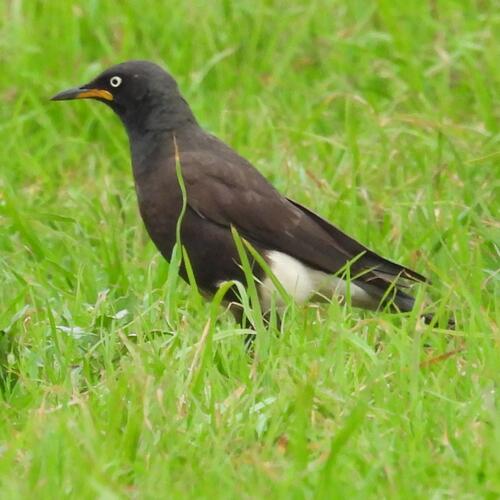 African Pied Starling
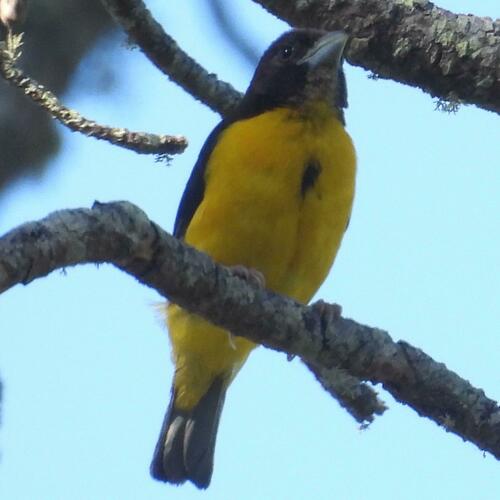 Dark-backed Weaver
In breve
Il segno di campo più affidabile per separare l'African Pied Starling dal Dark-backed Weaver è il ventre e il sottocoda bianchi e audaci dello storno, che spiccano contro il suo piumaggio scuro e leggermente lucido; il weaver non ha questo forte contrasto e non è mai così audacemente bianco sotto. Gli storni giovani sono più opachi ma mostrano ancora parti inferiori chiare, mentre il weaver è di colore più uniforme. Strutturalmente, lo storno è più grande, con una coda più lunga e un becco più robusto; il weaver è più piccolo, più compatto e ha un becco conico tipico dei weaver. Gli habitat raramente si sovrappongono: gli storni preferiscono il paese aperto e le terre agricole, spesso vicino al bestiame, mentre i weaver sono uccelli di foreste e boschi fitti. La voce e il comportamento di gruppo differiscono anche, ma il contrasto delle parti inferiori e la dimensione sono i controlli di campo più rapidi.
Consigli di identificazione
- Ventre e sottocoda bianchi (tutte le età): Solo l'African Pied Starling mostra un ventre e un sottocoda bianchi nettamente demarcati, in contrasto con il resto del piumaggio scuro. Il Dark-backed Weaver non mostra mai questo audace motivo bianco.
- Forma del becco: Gli storni hanno un becco dritto di lunghezza media con una mandibola inferiore gialla (adulto), mentre i weaver hanno un becco corto, spesso e conico, tipico dei mangiatori di semi. Il colore del becco è anche un indizio: gli storni adulti hanno una mandibola inferiore gialla, i giovani giallo opaco; i beccucci dei weaver non sono mai gialli.
- Colore dell'iride: Gli storni adulti hanno un'iride bianca, i giovani marroni; i weaver non mostrano un'iride bianca.
- Dimensioni e struttura: Gli storni sono molto più grandi e con una coda più lunga, con una corporatura più pesante. I weaver sono più piccoli, più compatti e con una coda corta.
- Lucentezza del piumaggio: Gli storni adulti possono mostrare una leggera lucentezza nelle aree nere; i giovani sono più opachi. I weaver non hanno alcuna lucentezza.
- Contesto dell'habitat: Gli storni si trovano in campagna aperta, terre agricole e vicino al bestiame; i weaver sono limitati a foreste e boschi fitti. Se vedi l'uccello in un prato aperto o con il bestiame, è quasi certamente uno storno.
- Comportamento di gruppo: Grandi stormi (a volte 1000+) e associazione con il bestiame indicano gli storni. I weaver sono raramente visti in gruppi così grandi e non si associano con il bestiame.
- Comportamento di posatoio: Gli storni spesso si posano su fili, recinzioni o anche sul bestiame; i weaver sono più propensi a essere visti su alberi o arbusti, specialmente vicino ai loro nidi intrecciati.
- Stile di volo: Gli storni hanno un volo forte e diretto; il volo dei weaver è più saltellante e ondulato, ma questo è sottile e meno affidabile rispetto al piumaggio o alla struttura.
- Voce: Il richiamo aspro e ripetuto dello storno 'skeer kerrra kerrra' è distintivo; i richiami dei weaver sono più acuti e meno aspri.
- Confusione giovanile: Gli storni giovani sono più opachi e mancano di lucentezza, ma mostrano ancora parti inferiori chiare; i giovani weaver rimangono di colore uniforme e non mostrano mai un ventre bianco audace.
- Nessuna sovrapposizione nell'areale: Anche se entrambe le specie possono verificarsi nell'Africa meridionale, i loro habitat preferiti raramente si sovrappongono. Usa la posizione come indizio di supporto, ma non come identificatore unico.
- Associazione con altre specie: Gli storni possono essere visti con gli European Starlings o i Wattled Starlings; i weaver sono più propensi a essere visti con altri weaver o piccoli uccelli canori.
- Posizione del nido: Gli storni nidificano in argini fluviali, buchi o anche strutture create dall'uomo; i weaver costruiscono nidi intrecciati appesi sugli alberi. Il tipo di nido può essere un utile indizio se visto.
- Comportamento alimentare: Gli storni cercano cibo a terra, spesso vicino al bestiame, e possono mangiare insetti disturbati dagli animali. I weaver si nutrono più di semi e sono meno propensi a essere visti a terra in aree aperte.
Taglia
L'African Pied Starling è un uccello notevolmente più grande, raggiungendo circa 27–28 cm di lunghezza, con un aspetto più pesante e una coda più lunga. Il Dark-backed Weaver è più piccolo e più compatto, tipico dei weaver, e non si avvicina alla massa o alla lunghezza dello storno. Sul campo, questa differenza di dimensioni è solitamente ovvia, specialmente quando gli uccelli sono visti fianco a fianco o vicino a oggetti familiari (come il bestiame per lo storno).
Piumaggio
Gli African Pied Starlings adulti hanno un piumaggio per lo più nero opaco con una leggera lucentezza, ma sono immediatamente riconoscibili per il loro ventre e sottocoda bianchi e stridenti, che contrastano nettamente con il resto dell'uccello. L'iride è bianca e la mandibola inferiore è gialla. I giovani sono più opachi, con piumaggio non lucido e un'iride marrone, ma mostrano ancora parti inferiori chiare. Al contrario, i Dark-backed Weavers mancano di qualsiasi bianco audace sulle parti inferiori; sono di colore più uniforme, con un dorso scuro e parti inferiori più chiare, ma non bianche. Il piumaggio del weaver non è mai così audacemente bianco come quello dello storno, e il loro becco è sempre conico (non simile a quello dello storno). Non è descritto alcun motivo distintivo per l'ala superiore o il volo per entrambe le specie, ma le parti inferiori bianche dello storno possono essere visibili anche in volo, specialmente dal basso.
Comportamento
Gli African Pied Starlings sono altamente gregari al di fuori della stagione riproduttiva, formando grandi stormi e spesso associandosi al bestiame, a volte posandosi sugli animali per nutrirsi di ectoparassiti. Sono frequentemente visti in campagna aperta, cercando cibo a terra o volando tra i posatoi. I Dark-backed Weavers sono molto meno appariscenti, di solito visti singolarmente o in piccoli gruppi, e tendono a rimanere all'interno di foreste o boschi fitti, spesso intrecciando nidi. Gli storni possono essere visti nutrirsi con altri storni, ma raramente con i weaver.
Habitat
L'African Pied Starling si trova in habitat aperti—prati, cespugli di karoo, rovi, terreni agricoli—ed è spesso visto vicino agli animali da fattoria. È comune in gran parte del Sudafrica, Lesotho ed Eswatini, ma evita le zone aride del nord-ovest e delle pianure orientali. Il Dark-backed Weaver, al contrario, è un uccello di foreste e boschi fitti, distribuito in modo sparso attraverso il centro e il sud dell'Africa subsahariana. Le due specie raramente si sovrappongono nell'habitat: se ti trovi in un terreno agricolo aperto, aspettati storni; in una foresta fitta, aspettati weaver.
Voce
L'African Pied Starling ha un richiamo distintivo 'skeer kerrra kerrra' e una dolce canzone gorgheggiante, che è molto diversa dal chiacchiericcio tipico dei weaver. Anche se la canzone del weaver non è descritta qui, i weaver generalmente hanno richiami più acuti e più rapidi. Se senti i richiami aspri e ripetuti dello storno, è un forte indizio.
African Pied Starling · Dark-backed Weaver · I miei uccelli difficili