

Negrón Aliblanco vs Amakihi de Kauai
Melanitta deglandi frente a Chlorodrepanis stejnegeri
Juega un quiz con Negrón Aliblanco y Amakihi de Kauai
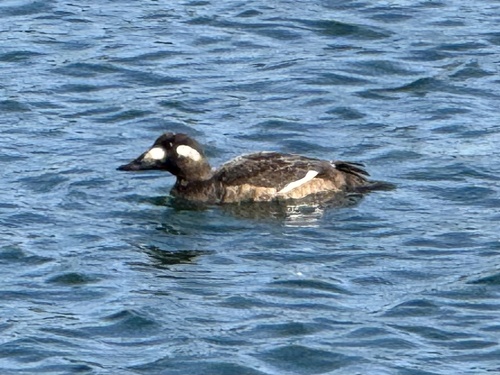 Negrón Aliblanco
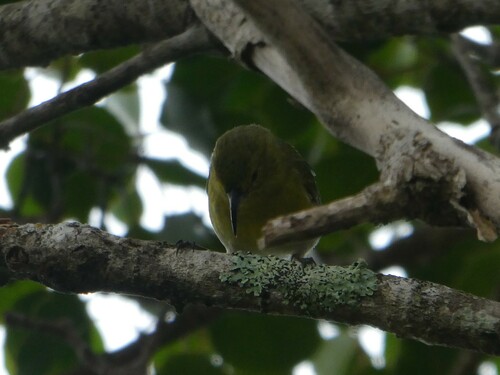 Amakihi de Kauai
En breve
La marca de campo más confiable para separar el Negrón Aliblanco del Amakihi de Kauai es la presencia de una audaz mancha blanca secundaria (especulum) en el ala del negrón, visible en vuelo y a veces en reposo, especialmente en juveniles y machos adultos. El Negrón Aliblanco es un pato marino grande y pesado con un cuerpo voluminoso y un pico grueso y con base de plumas, mientras que el Amakihi de Kauai es un pequeño y esbelto picaflor con un pico delgado y curvado. Las hembras y los negrones inmaduros pueden ser confusos debido a las marcas faciales variables, pero su tamaño, forma y hábitos acuáticos son diferentes de los del Amakihi arbóreo que se alimenta de néctar. En el campo, el contexto (agua abierta vs. bosque) y la estructura son tan importantes como el plumaje para una separación confiable.
Consejos de identificación
- Mancha blanca en el ala en vuelo: El Negrón Aliblanco de todas las edades muestra una audaz mancha blanca secundaria (especulum) en el ala, especialmente obvia en vuelo. El Amakihi de Kauai nunca muestra blanco en el ala.
- Tamaño: El Negrón Aliblanco es un pato masivo, mucho más grande que cualquier ave cantora. Incluso a distancia, el volumen y la longitud son obvios.
- Forma del pico: El negrón tiene un pico grueso y pesado con una base de plumas y, en los machos, un gran botón negro. El Amakihi tiene un pico delgado y curvado adecuado para alimentarse de néctar.
- Marcas faciales (negrón inmaduro/hembra): Los negrones juveniles y hembras pueden mostrar manchas blancas delante y detrás del ojo, pero esto es variable y puede desvanecerse con la edad. El Amakihi no muestra tales manchas faciales.
- Forma del cuerpo: El negrón es voluminoso, con un cuerpo largo y una cola corta. El Amakihi es esbelto, con una cola proporcionalmente más larga para su tamaño.
- Color del plumaje: Los machos de negrón son completamente negros con reflejos blancos; las hembras y juveniles son marrones con blanco variable. El Amakihi es generalmente verdoso o amarillento (no detallado en las notas, pero nunca negro o marrón con manchas blancas).
- Hábitat: El negrón siempre está en o cerca del agua; el Amakihi siempre está en bosques o matorrales, nunca en agua abierta.
- Comportamiento: El negrón nada y se sumerge; el Amakihi revolotea entre ramas y se alimenta en flores.
- Perfil de la cabeza (hembra/negrón inmaduro): La hembra de negrón tiene un perfil 'de dos pasos' entre el pico y la cabeza, con plumas formando un ángulo recto en la base de la mandíbula superior. El Amakihi tiene un perfil de pico a cabeza suavemente curvado.
- Color del pico (negrón macho): El macho de negrón tiene un pico naranja y rojo con un botón negro; el Amakihi tiene un pico oscuro y liso.
- Patrón del ala en reposo: El especulum blanco del negrón puede ser parcialmente visible incluso cuando está posado o nadando; el ala del Amakihi es lisa.
- Estilo de vuelo: El negrón vuela de manera poderosa y directa sobre el agua; el vuelo del Amakihi es débil, ondulante y generalmente de corto alcance entre los árboles.
- Vocalización: El Amakihi puede emitir un alto 'tweet' cuando está activo; el negrón generalmente es silencioso.
- Confusión de sexo/edad: Las hembras y los negrones inmaduros pueden perder sus manchas faciales blancas con la edad, pero siempre serán mucho más grandes y voluminosos que el Amakihi.
- Contexto: Si ves un ave grande y oscura con blanco en el ala en el agua, es un negrón; si ves un ave pequeña y verdosa en un árbol, es un Amakihi.
Tamaño
El Negrón Aliblanco es vastamente más grande: los machos promedian 1,380 g y 55 cm de longitud, las hembras alrededor de 1,180 g y 52.3 cm [wikipedia]. El Amakihi de Kauai es un pequeño ave cantora (sin medidas directas en las notas, pero como un picaflor, es mucho más pequeño y ligero que cualquier pato). El negrón es uno de los patos más grandes de América del Norte, mientras que el Amakihi es un típico pájaro pequeño de bosque. No hay superposición en tamaño; incluso un negrón juvenil eclipsa al Amakihi.
Plumaje
Los negrones juveniles y hembras muestran manchas faciales blancas variables y un especulum blanco (mancha secundaria) en el ala, especialmente en vuelo. Los machos juveniles tienen más blanco en las cobertoras secundarias mayores que las hembras juveniles, pero ambos sexos pueden mostrar algo de blanco. Los machos adultos son completamente negros con un creciente blanco en el ojo y un especulum blanco, mientras que las hembras adultas son marrones con marcas faciales menos distintivas a medida que envejecen. En contraste, el Amakihi de Kauai carece de cualquier blanco en el ala y no muestra manchas faciales audaces; su plumaje es generalmente verdoso o amarillento (no detallado en las notas, pero como un picaflor, carece del fuerte contraste y marcas blancas del negrón). El pico del Amakihi es delgado y curvado, coincidiendo con sus hábitos de alimentación de néctar, mientras que el pico del negrón es grueso, con una base de plumas y, en los machos, un botón prominente. La mancha blanca del ala del negrón es diagnóstica en vuelo a todas las edades, mientras que el Amakihi nunca muestra tal marca.
Comportamiento
El Negrón Aliblanco es un pato acuático, generalmente visto nadando o sumergiéndose en agua abierta, rara vez posándose excepto en el suelo cerca del agua. Su vuelo es poderoso y directo, con fuertes batidos de alas. El Amakihi de Kauai es arbóreo, buscando entre el follaje y las flores, a menudo visto revoloteando entre ramas o flotando brevemente para alimentarse. No nada ni se sumerge. El comportamiento del negrón es típico de los patos marinos, mientras que el Amakihi se comporta como un pequeño y activo ave cantora.
Hábitat
El Negrón Aliblanco se encuentra en grandes cuerpos de agua—mares, lagos o ríos—especialmente en entornos abiertos o de tundra. Anida en el suelo cerca del agua. El Amakihi de Kauai es endémico de los bosques de Kauai, Hawái, y nunca se encuentra en agua abierta. Si el ave se ve en un bosque, especialmente en las Islas Hawái, es el Amakihi; si está en agua abierta en América del Norte, es el negrón.
Voz
Las notas solo mencionan que el Amakihi de Kauai emite un 'tweet' distintivo al volar o alimentarse. No se proporciona información de vocalización para el Negrón Aliblanco. En la práctica, los negrones son generalmente silenciosos, mientras que el Amakihi puede ser escuchado emitiendo llamadas cortas y agudas en el dosel.