

Mirlo Acuático Europeo vs Estornino Pinto
Cinclus cinclus frente a Sturnus vulgaris
Juega un quiz con Mirlo Acuático Europeo y Estornino Pinto
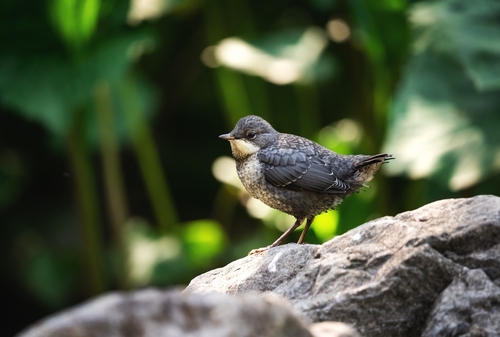 Mirlo Acuático Europeo
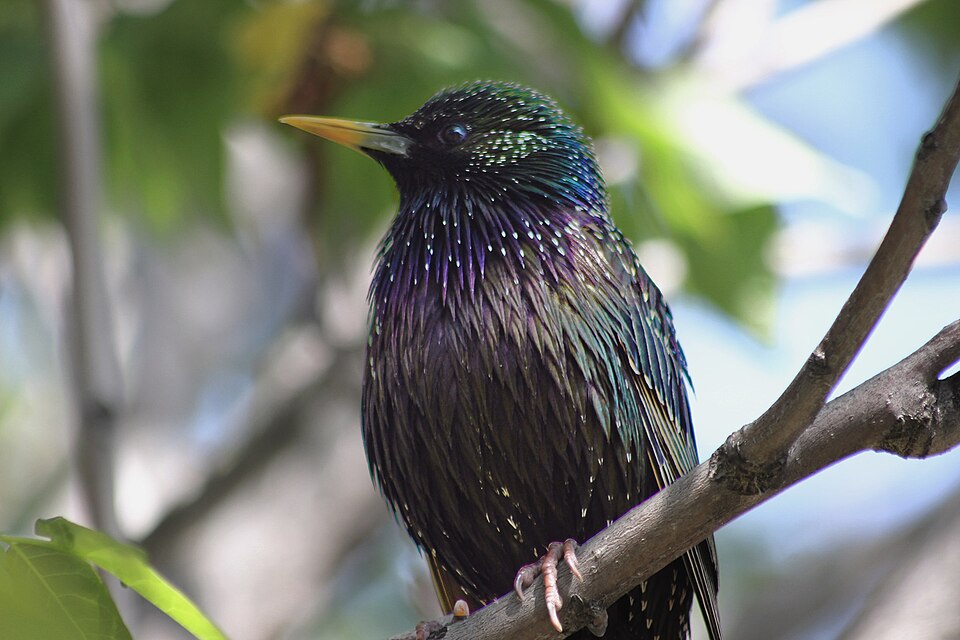 Estornino Pinto
En breve
La forma más confiable de separar el Mirlo Acuático Europeo del Estornino Pinto es por su forma general, contraste de plumaje y hábitat. Los mirlos acuáticos son aves compactas y de cola corta con una notable garganta y pecho blancos, a menudo vistos moviéndose sobre rocas en o al lado de arroyos de rápido flujo. Los estorninos son más largos, más delgados y tienen un pico puntiagudo, con plumaje negro brillante e iridiscente salpicado de blanco en invierno, y generalmente se encuentran en campos abiertos, campos o áreas urbanas. Los mirlos acuáticos juveniles son simples y grisáceos, careciendo de la garganta blanca, mientras que los estorninos juveniles son marrones y nunca muestran los agudos contrastes de color del mirlo. En vuelo, los estorninos tienen alas puntiagudas y un vuelo directo, a veces planeando, mientras que los mirlos acuáticos vuelan bajo y rápido sobre el agua con rápidos y zumbantes aleteos.
Consejos de identificación
- El hábitat es clave: Si el pájaro está sobre rocas en o al lado de un arroyo de rápido flujo, casi seguramente es un mirlo; si está en un campo, parque o área urbana, casi seguramente es un estornino.
- Forma del cuerpo: Los mirlos acuáticos son compactos, de cuerpo redondo y cola corta; los estorninos son más largos, más delgados y tienen una forma más alargada con una cola proporcionalmente más larga.
- Forma y color del pico: Los mirlos acuáticos tienen un pico corto y oscuro durante todo el año; los estorninos tienen un pico largo, delgado y puntiagudo, oscuro en invierno y amarillo brillante en la temporada de cría.
- Color de las patas: Los mirlos acuáticos tienen patas marrones; los estorninos tienen patas rosadas o rojizas, especialmente en primavera y verano.
- Contraste de plumaje (adultos): Los mirlos acuáticos adultos tienen una garganta y pecho blancos nítidos, a menudo con una banda castaña o oscura debajo, y plumaje oscuro en el resto. Los estorninos son negros brillantes con iridiscencia púrpura/verde y manchas blancas en invierno, careciendo de cualquier garganta blanca o banda castaña.
- Plumaje (juveniles): Los mirlos acuáticos juveniles son de un simple marrón grisáceo, careciendo de la garganta blanca; los estorninos juveniles son marrón grisáceo, nunca mostrando agudos contrastes blancos o castaños.
- Iridiscencia: Los estorninos muestran un brillo metálico en buena luz, especialmente en primavera y verano; los mirlos acuáticos son siempre mates, nunca iridiscentes.
- Forma del ala en vuelo: Los estorninos tienen alas afiladas y una cola corta, dando una apariencia triangular; los mirlos acuáticos tienen alas anchas y redondeadas y una cola aún más corta, apareciendo regordetes en vuelo.
- Estilo de vuelo: Los mirlos acuáticos vuelan bajo y rápido sobre el agua con rápidos y zumbantes aleteos, nunca planeando; los estorninos vuelan más alto, con ráfagas de rápidos aleteos y cortos planeos, a menudo en bandadas.
- Postura en reposo: Los mirlos acuáticos a menudo se mueven arriba y abajo con la cola levantada; los estorninos se mantienen erguidos o ligeramente hacia adelante, nunca moviéndose.
- Comportamiento social: Los mirlos acuáticos suelen estar solos o en parejas; los estorninos a menudo están en bandadas, especialmente fuera de la temporada de cría.
- Voz: El canto del mirlo es un simple y agudo 'zil, zil, zil'; el canto del estornino es una mezcla compleja de silbidos, clics y mimetismo.
- Cambios estacionales: El color del pico y las patas del estornino cambian con la temporada (pico amarillo y patas rosadas en la temporada de cría); los colores del mirlo son estables durante todo el año.
- Pistas contextuales: Si ves un pájaro buceando o nadando bajo el agua, es un mirlo; los estorninos no entran al agua excepto para bañarse.
- Trampas: En luz tenue, ambos pueden parecer oscuros y simples, pero la garganta blanca y la forma compacta del mirlo son distintivas a cualquier edad si se ven bien. Los estorninos juveniles pueden parecer simples pero nunca muestran los movimientos o hábitos acuáticos del mirlo.
Tamaño
El Mirlo Acuático Europeo es más pequeño y más robusto, midiendo aproximadamente 18 cm de longitud [wikipedia], mientras que el Estornino Pinto es más largo y delgado, midiendo entre 19 y 23 cm [wikipedia][avonet]. Los estorninos también tienen una envergadura más larga (31–44 cm frente a las alas mucho más cortas del mirlo), y son más pesados (58–101 g frente a la menor masa del mirlo). La cola corta y el cuerpo compacto del mirlo hacen que parezca más robusto, especialmente cuando está posado.
Plumaje
- Juveniles: Los mirlos acuáticos juveniles son de un marrón grisáceo general, careciendo de la garganta blanca y la banda castaña de los adultos [wikipedia]. Los estorninos juveniles son marrón grisáceo, con un color uniforme y sin agudos contrastes blancos o castaños, pero pueden mostrar algunas plumas de cabeza marrones retenidas en el primer invierno [wikipedia].
- Adultos: Los mirlos acuáticos adultos tienen una garganta y parte superior del pecho blancas, una banda castaña o oscura debajo, y plumaje oscuro, de gris pizarra a negruzco. Los estorninos son negros brillantes con iridiscencia púrpura o verde, salpicados de manchas blancas en invierno (de las puntas de plumas pálidas), y pierden la mayoría de las manchas para la primavera. Los mirlos nunca muestran iridiscencia o salpicaduras generales. El pico del mirlo es siempre oscuro, mientras que el pico del estornino es oscuro en invierno pero se vuelve amarillo brillante en la temporada de cría. Las patas del mirlo son marrones; las patas del estornino son rosadas o rojizas, especialmente en la temporada de cría. En vuelo, los estorninos muestran alas puntiagudas y una cola corta, mientras que los mirlos acuáticos tienen alas anchas y redondeadas y una cola muy corta.
Comportamiento
Los Mirlos Acuáticos Europeos se encuentran casi siempre cerca de arroyos o ríos de rápido movimiento, donde se mueven sobre rocas y frecuentemente bucean o caminan en el agua, a menudo sumergiéndose completamente para alimentarse. Su movimiento se caracteriza por vuelos rápidos, bajos y directos sobre el agua, y un distintivo movimiento de balanceo cuando están posados. Los estorninos son altamente gregarios, a menudo en bandadas, y se les ve caminando o corriendo en terrenos abiertos, céspedes o en árboles. Su vuelo es fuerte y directo con rápidos aleteos puntiagudos, a menudo intercalados con cortos planeos, y frecuentemente giran y se mueven en bandadas ajustadas. Los estorninos rara vez, si es que alguna vez, entran al agua como lo hacen los mirlos.
Hábitat
Los mirlos acuáticos están estrechamente asociados con arroyos limpios y de rápido flujo, ríos y a veces lagos, especialmente en áreas montañosas o colinas. Rara vez se ven lejos del agua y se encuentran más a menudo posados sobre rocas o ramas bajas cerca de rápidos. Los estorninos son generalistas de hábitat, comunes en campos abiertos, tierras agrícolas, parques, jardines, pueblos y ciudades, y rara vez se ven cerca de aguas de rápido flujo. Un mirlo en un parque de la ciudad o un estornino en un arroyo de montaña sería muy inusual.
Voz
Los mirlos emiten un agudo y claro canto 'zil, zil, zil', a menudo en vuelo o cuando son molestados. Los estorninos tienen un amplio repertorio de silbidos, clics y mimetismo, y su canto es mucho más complejo y variado, a menudo entregado desde un posadero. Los cantos de las dos especies no se confunden fácilmente: el canto del mirlo es simple y agudo, el del estornino es parloteante y musical.
Mirlo Acuático Europeo · Estornino Pinto · Mis aves difíciles