

Suirirí Cariblanco vs Gansito Africano
Dendrocygna viduata frente a Nettapus auritus
Juega un quiz con Suirirí Cariblanco y Gansito Africano
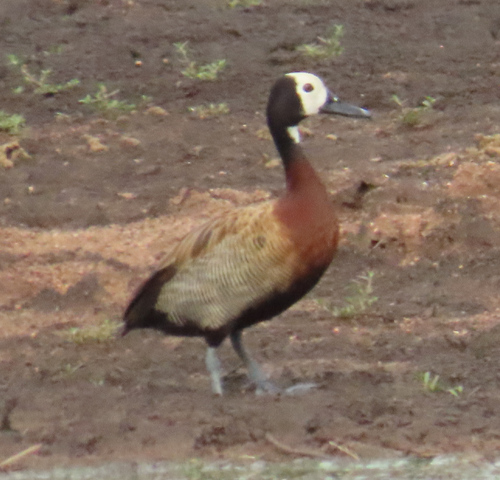 Suirirí Cariblanco
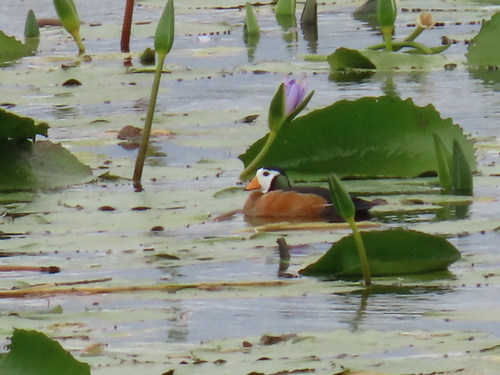 Gansito Africano
En breve
La marca de campo más confiable para separar el Suirirí Cariblanco del Gansito Africano es el tamaño y la estructura general: el suirirí es mucho más grande, más delgado y de cuello largo, mientras que el gansito es diminuto, compacto y de cuello corto. En todos los plumajes, el suirirí muestra una cara blanca distintiva con una cabeza y cuello negros, mientras que el gansito (macho) tiene una cara blanca con manchas verdes y negras, y la hembra tiene una cara gris con manchas oscuras. En vuelo o en reposo, el patrón de alas metálico verde y blanco del gansito contrasta con las alas oscuras y lisas del suirirí. Los suirirí juveniles carecen de un fuerte contraste en la cabeza, lo que puede causar confusión, pero el pequeño tamaño y la forma del pico del gansito siguen siendo distintivos. Ambas especies pueden verse juntas en humedales africanos, pero sus diferencias de estructura y plumaje son claras con buenas vistas.
Consejos de identificación
- Tamaño y estructura: El suirirí es mucho más grande y de cuello más largo que el gansito. Si ves ambos juntos, el gansito se ve diminuto y compacto.
- Forma del pico: El suirirí tiene un pico largo y gris; el gansito tiene un pico corto y robusto que se eleva por la frente, dando un aspecto 'similar a un ganso'.
- Patrón de cabeza y cara (adultos): El suirirí muestra una cara blanca nítida con una cabeza y cuello negros; el macho del gansito tiene una cara blanca con manchas negras alrededor de los ojos y manchas verdes en las orejas, mientras que la hembra tiene una cara gris con manchas marrones y una franja oscura alrededor del ojo.
- Confusión juvenil: Los suirirí juveniles tienen una cara menos contrastada, pero aún muestran un cuello largo y un cuerpo grande. Los gansitos juveniles tienen una cara blanca con una corona negra y una mancha alrededor del ojo, pero siempre son mucho más pequeños y de cuello corto.
- Color del cuello: El cuello del suirirí es castaño en los lados, negro en la parte delantera; el gansito tiene un cuello superior blanco (macho) o marrón oscuro (hembra), sin collar castaño.
- Patrón de flancos y partes inferiores: El suirirí tiene partes inferiores negras con finas barras blancas en los flancos; el gansito tiene flancos castaños y un vientre blanco.
- Color de la espalda y alas: La espalda y las alas del suirirí son de color marrón oscuro a negro; la espalda del gansito es verde metálico, y en vuelo muestra una barra blanca en el ala (secundarias distales) y cobertoras iridiscentes verdes.
- Cola: El gansito tiene una cola corta y negra; la cola del suirirí es menos prominente y se mezcla con la parte trasera oscura.
- Piernas: El suirirí tiene piernas largas, a menudo visibles cuando está de pie; el gansito tiene piernas cortas, generalmente ocultas en la vegetación flotante.
- Estilo de vuelo: El suirirí vuela con aleteos lentos y constantes y el cuello extendido; el gansito tiene aleteos rápidos y un perfil compacto y de cuello corto.
- Tamaño del grupo: Los grandes y ruidosos grupos son casi siempre suirirí; los gansitos se encuentran en parejas o pequeños grupos.
- Preferencia de hábitat: Los suirirí utilizan aguas abiertas y grandes humedales; los gansitos prefieren pequeños estanques cubiertos de lirios y aguas tranquilas.
- Voz: Un claro silbido repetido de tres notas es diagnóstico del suirirí; el gansito es generalmente silencioso.
- Diferencias sexuales: Los suirirí no son sexualmente dimórficos; los machos y hembras del gansito difieren en el patrón de la cara y la coloración.
- Cambios estacionales: Ambas especies son residentes o nómadas; el plumaje no varía mucho según la temporada, pero los suirirí juveniles pueden carecer de un fuerte contraste facial.
Tamaño
El Suirirí Cariblanco es mucho más pesado (674g) y visiblemente más grande que el Gansito Africano (macho ~285g, hembra ~260g). El suirirí tiene un cuello largo, patas largas y un cuerpo y pico proporcionalmente largos. En contraste, el gansito es una de las aves acuáticas más pequeñas de África, con un cuello corto, cuerpo compacto y pico corto y robusto. Incluso a distancia o en bandadas mixtas, la diferencia de tamaño es sorprendente: los gansitos parecen aproximadamente la mitad de la longitud y mucho menos de la mitad del volumen de los suirirí.
Plumaje
- Plumaje juvenil/inmaduro: Los suirirí juveniles se parecen a los adultos pero con un patrón de cabeza menos contrastado, lo que hace que la cara blanca sea menos obvia y potencialmente confusa con hembras o gansitos inmaduros. Sin embargo, el juvenil del gansito aún muestra una cara blanca con una corona negra y una mancha alrededor del ojo, y una forma compacta. Los gansitos juveniles tienen una corona negra en forma de V y una cara blanca, pero su pequeño tamaño y pico corto siguen siendo distintivos.
- Machos adultos: El Suirirí Cariblanco tiene una cara blanca llamativa, cabeza y cuello negros, lados del cuello castaños, espalda y alas de marrón oscuro a negro, y partes inferiores negras con finas barras blancas en los flancos. Los machos del Gansito Africano tienen una cara blanca con manchas negras alrededor de los ojos, manchas verdes en las orejas, corona y nuca negras, cuello superior blanco, pecho y flancos castaños, espalda verde metálica, y un pico amarillo con punta negra. Las cobertoras del gansito son verdes metálicas con una barra blanca en las secundarias distales, y el vientre es blanco.
- Hembras adultas: Las hembras de los gansitos tienen una cara gris con una franja oscura alrededor del ojo y manchas marrones difusas, corona y nuca marrones oscuros, y flancos castaños. Las hembras de los suirirí son similares a los machos, sin un fuerte dimorfismo sexual.
- En vuelo: El gansito muestra una barra blanca en el ala y cobertoras verdes metálicas, mientras que las alas del suirirí son de un marrón oscuro a negro liso. La forma compacta del gansito y sus aleteos rápidos contrastan con el vuelo más lánguido del suirirí.
Comportamiento
Los Suirirí Cariblanco son altamente gregarios, formando a menudo bandadas de cientos o miles, especialmente al amanecer. Son ruidosos, conspicuos y generalmente nadan o permanecen en pie con los cuellos largos extendidos. Los Gansitos Africanos se ven típicamente en parejas o pequeños grupos, rara vez en grandes bandadas. Se posan en vegetación flotante o ramas bajas, se alimentan principalmente de semillas de lirios de agua, y son menos vocales y llamativos que los suirirí. Los gansitos son más propensos a ser vistos revoloteando entre lirios de agua o realizando vuelos cortos y rápidos sobre el agua.
Hábitat
Ambas especies pueden ocurrir en humedales interiores en el África subsahariana, pero los Suirirí Cariblanco prefieren aguas abiertas, lagos y grandes pantanos, a menudo en grandes bandadas. Los Gansitos Africanos están más estrechamente vinculados a aguas de flujo lento o estancadas con abundantes lirios de agua y vegetación flotante, incluidos pequeños estanques y pozas tranquilas en ríos. Los gansitos son más propensos a estar en hábitats con densa cobertura de plantas flotantes, mientras que los suirirí toleran aguas más abiertas.
Voz
Los Suirirí Cariblanco son notablemente ruidosos, emitiendo un claro llamado de silbido de tres notas, especialmente en vuelo o cuando están alarmados. Los Gansitos Africanos son mucho más silenciosos y menos vocales en general. Si escuchas un coro de silbidos repetidos y fuertes, casi seguramente es el suirirí.