
Correlimos de Temminck vs Correlimos Tridáctilo
Calidris temminckii frente a Calidris alba
Juega un quiz con Correlimos de Temminck y Correlimos Tridáctilo
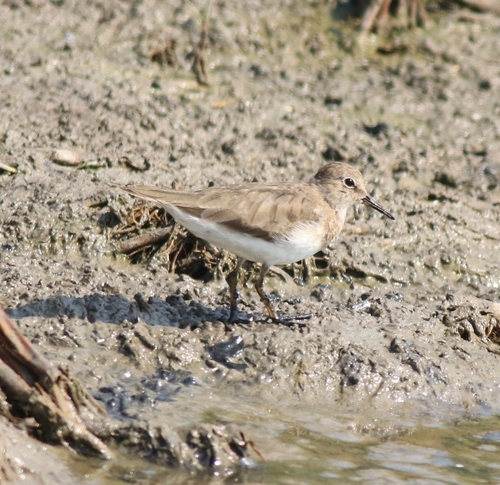 Correlimos de Temminck
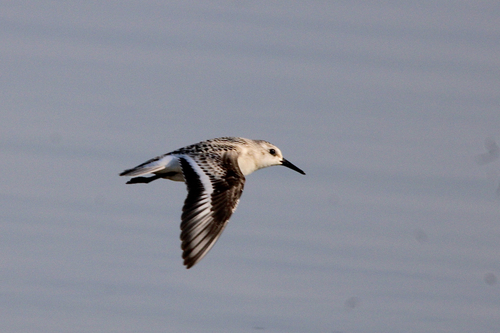 Correlimos Tridáctilo
En breve
La marca de campo más confiable entre el Correlimos de Temminck y el Correlimos Tridáctilo es el color de las patas: el Correlimos de Temminck tiene patas de color amarillo apagado o marrón, mientras que el Correlimos Tridáctilo tiene patas negras. En vuelo, el Correlimos Tridáctilo muestra una fuerte barra alar blanca, ausente en el Correlimos de Temminck. El Correlimos de Temminck es un limícola pequeño y apagado, con patas cortas y plumas externas de la cola blancas, mientras que el Correlimos Tridáctilo es más robusto, con un pico más grueso y una forma de correr distintiva. Ambos son pequeños andarríos, pero el Correlimos Tridáctilo es más voluminoso y más gregario, a menudo visto en bandadas compactas en playas de arena.
Consejos de identificación
- El color de las patas es la marca de campo más consistente: el Correlimos de Temminck tiene patas de color amarillo apagado o marrón; las del Correlimos Tridáctilo son siempre negras. Esto funciona para todas las edades y estaciones.
- En vuelo, busca la barra alar blanca: el Correlimos Tridáctilo muestra una fuerte barra alar blanca a través del ala superior en todos los plumajes; el Correlimos de Temminck carece de esta característica.
- Patrón de la cola: el Correlimos de Temminck tiene plumas externas de la cola blancas, que se pueden ver cuando el ave abre su cola o en vuelo. La cola del Correlimos Tridáctilo está menos marcada.
- Estructura del pico: el Correlimos Tridáctilo tiene un pico más grueso y corto en comparación con el pico más fino y delicado del Correlimos de Temminck. Esto es sutil pero útil a corta distancia.
- Forma del cuerpo y apariencia: el Correlimos Tridáctilo es notablemente más voluminoso y robusto, con un cuerpo más redondeado y un cuello más grueso. El Correlimos de Temminck es más pequeño, más delicado y con patas más cortas.
- Dedo trasero: el Correlimos Tridáctilo carece de un dedo trasero (único entre los pequeños andarríos en la región), pero esto es difícil de ver excepto a muy corta distancia.
- Tono del plumaje: el Correlimos de Temminck es de un marrón apagado en la parte superior con un pecho más oscuro y un vientre blanco; el Correlimos Tridáctilo es de un gris pálido en la parte superior y blanco en la parte inferior, a menudo apareciendo mucho más limpio y brillante.
- Plumaje de cría: el Correlimos de Temminck muestra algunas plumas de manto rufo o negruzco, pero sigue siendo en general sencillo. El Correlimos Tridáctilo en plumaje de cría es mucho más patrón y rufo, pero esto rara vez se ve fuera de las áreas de cría.
- Plumaje invernal: el Correlimos de Temminck se vuelve aún más apagado, pareciendo un pequeño Andarríos Chico, mientras que el Correlimos Tridáctilo permanece pálido y limpio.
- Comportamiento de forrajeo: el Correlimos Tridáctilo corre rápidamente a lo largo de la línea de marea con un movimiento distintivo de 'bicicleta', a menudo en grupos; el Correlimos de Temminck se mueve más lentamente y es menos gregario.
- Hábitat: el Correlimos Tridáctilo se encuentra casi siempre en playas de arena abiertas o llanuras intermareales; el Correlimos de Temminck prefiere márgenes fangosos o vegetados de aguas dulces.
- Tamaño de la bandada: el Correlimos Tridáctilo es gregario, a menudo en grandes bandadas; el Correlimos de Temminck suele ser solitario o en pequeños grupos.
- Tamaño relativo: el Correlimos Tridáctilo es más voluminoso y robusto que el Correlimos de Temminck, que es uno de los limícolas más pequeños de su rango.
- Voz: No es diagnóstico con la información disponible.
- Trampas: los Correlimos Tridáctilos juveniles e invernales pueden parecer apagados y podrían confundirse con el Correlimos de Temminck, pero el color de las patas y la barra alar siguen siendo confiables. El Correlimos de Temminck nunca muestra la fuerte barra alar blanca o las patas negras del Correlimos Tridáctilo.
Tamaño
El Correlimos de Temminck es muy pequeño (masa corporal ~26 g), con una longitud de 13.5–15 cm. El Correlimos Tridáctilo es similar en longitud a un Correlimos Común y es notablemente más voluminoso y robusto que el Correlimos de Temminck, aunque la masa precisa no se da aquí. En el campo, el Correlimos Tridáctilo parece más robusto, con un pico más grueso y una construcción más robusta, mientras que el Correlimos de Temminck es más delicado y más sutil en general.
Plumaje
Los Correlimos Tridáctilos juveniles y no reproductores son de un gris pálido en la parte superior y blanco en la parte inferior, con una fuerte barra alar blanca visible en vuelo en todas las edades. El Correlimos de Temminck, en todos los plumajes, es más apagado: marrón en la parte superior, con partes superiores marrones simples y un pecho más oscuro, y partes inferiores blancas. El Correlimos de Temminck adulto en plumaje de cría puede mostrar algunas plumas de manto rufo o negruzco, pero sigue siendo en general sencillo. El Correlimos Tridáctilo carece de un dedo trasero, que se puede notar si se ve bien. El Correlimos de Temminck tiene plumas externas de la cola blancas, mientras que la cola del Correlimos Tridáctilo no está tan claramente marcada. El color de las patas es una diferencia clave: el Correlimos de Temminck tiene patas de color amarillo apagado o marrón, las del Correlimos Tridáctilo son negras. En invierno, el Correlimos de Temminck se asemeja a un Andarríos Chico en miniatura, con un gris apagado o marrón grisáceo en la parte superior y blanco en la parte inferior, mientras que el Correlimos Tridáctilo permanece pálido y con un aspecto limpio.
Comportamiento
El Correlimos Tridáctilo es altamente gregario en invierno, formando a menudo grandes y compactas bandadas en playas de arena abiertas, y es famoso por su enérgico movimiento de carrera 'bicicleta' a lo largo de la línea de marea. El Correlimos de Temminck es más solitario o se encuentra en pequeños grupos, y no muestra el mismo estilo frenético de forrajeo. El Correlimos Tridáctilo frecuentemente se detiene para picotear comida mientras corre, mientras que el Correlimos de Temminck forajea de una manera más deliberada y menos conspicua.
Hábitat
El Correlimos Tridáctilo se encuentra más a menudo en playas de arena abiertas y llanuras intermareales, especialmente en invierno, y rara vez se ve lejos de las costas abiertas. El Correlimos de Temminck prefiere márgenes fangosos o vegetados de lagos de agua dulce, charcas o pantanos, y es menos probable que se encuentre en playas de arena abiertas. Si ves un pequeño andarrío en una bandada compacta en una playa bañada por las olas, casi con certeza es un Correlimos Tridáctilo; un ave solitaria o dispersa en márgenes fangosos o vegetados es más probable que sea un Correlimos de Temminck.
Correlimos de Temminck · Correlimos Tridáctilo · Mis aves difíciles