

Gaviota de Alaska vs Petrel Antillano
Larus brachyrhynchus frente a Pterodroma hasitata
Juega un quiz con Gaviota de Alaska y Petrel Antillano
 Gaviota de Alaska
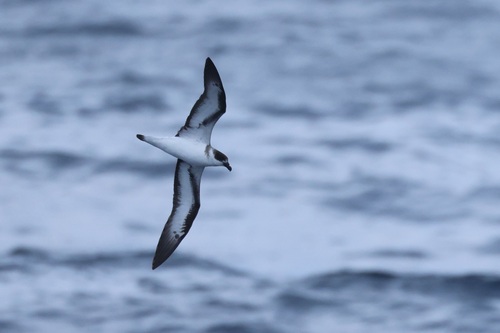 Petrel Antillano
En breve
La separación más confiable entre la Gaviota de Alaska y el Petrel Antillano es la combinación de estructura y estilo de vuelo: la Gaviota de Alaska es una gaviota compacta, de pico corto y alas anchas con un distintivo patrón de 'cadena de perlas' en las puntas de las alas en vuelo (especialmente en adultos y jóvenes mayores), mientras que el Petrel Antillano es un ave marina de alas largas y cuerpo esbelto con una audaz capucha negra, nuca blanca y marcas oscuras contrastantes en las alas inferiores. Las Gaviotas de Alaska juveniles e inmaduras muestran partes superiores marrones y manchadas y puntas de alas oscuras, nunca el contraste nítido en blanco y negro o el patrón facial único del petrel. En vuelo, el vuelo flotante y deslizante del petrel y sus alas largas son instantáneamente diferentes del vuelo más directo y batido de la gaviota. El hábitat también es una pista fuerte: la Gaviota de Alaska es una gaviota costera y de aguas interiores de América del Norte, mientras que el Petrel Antillano es un ave marina pelágica rara de las Indias Occidentales.
Consejos de identificación
- Patrón de alas en vuelo (adulto/joven mayor): La Gaviota de Alaska muestra una 'cadena de perlas': puntas de lengua blanca en las primarias p5–p8 y grandes espejos blancos en p9–p10, además de un amplio borde blanco en la parte trasera. El Petrel Antillano nunca muestra estas marcas; su ala superior es uniformemente oscura con una rabadilla y nuca blancas.
- Plumaje juvenil/inmaduro: Las Gaviotas de Alaska jóvenes son marrones, manchadas y tienen puntas de alas marrones oscuras, con un pico de base rosada y punta negra en el primer invierno. Los juveniles del Petrel Antillano (y los adultos) siempre tienen una capucha negra nítida, nuca blanca y nunca parecen marrones o moteados como una gaviota joven.
- Patrón facial: El Petrel Antillano tiene una audaz capucha negra (a veces extendiéndose sobre el ojo) y una nuca blanca, dando un contraste llamativo. La Gaviota de Alaska nunca muestra una capucha negra o nuca blanca a ninguna edad.
- Estructura del pico: La Gaviota de Alaska tiene un pico corto y amarillo (más apagado en invierno, a veces con una leve marca oscura), mientras que el Petrel Antillano tiene un pico más largo, esbelto y curvado típico de los petreles, nunca amarillo.
- Color de las patas: La Gaviota de Alaska adulta tiene patas amarillas; las patas del Petrel Antillano no son visibles en vuelo y no son amarillas.
- Estilo de vuelo: La Gaviota de Alaska vuela con aleteos directos y constantes y se desliza, a menudo en bandadas. El Petrel Antillano tiene un vuelo flotante y cortante, arqueándose sobre las olas con alas largas y rígidas, y generalmente es solitario o está en pequeños grupos.
- Estructura del cuerpo: La Gaviota de Alaska es compacta, con un pico corto y alas anchas. El Petrel Antillano es de alas largas, cuerpo esbelto y parece más aerodinámico en vuelo.
- Patrón de alas inferiores: El Petrel Antillano muestra marcas oscuras audaces en las alas inferiores, contrastando con el blanco, mientras que la Gaviota de Alaska (especialmente los adultos) muestra un amplio borde blanco en la parte trasera y carece de un fuerte contraste en las alas inferiores.
- Cola y rabadilla: El Petrel Antillano tiene una rabadilla y nuca blancas, visibles en vuelo; la Gaviota de Alaska tiene una cola blanca simple y no tiene rabadilla o nuca contrastantes.
- Hábitat/contexto: Si se ve lejos de la costa en el Caribe o el Atlántico occidental, especialmente desde un barco, es posible que sea un Petrel Antillano; la Gaviota de Alaska no lo es. Si se ve descansando en una playa, muelle o agua interior, casi con certeza es una gaviota.
- Contexto estacional: La Gaviota de Alaska está presente en América del Norte principalmente desde la primavera hasta el otoño; el Petrel Antillano está presente en el mar durante todo el año, pero solo llega a tierra por la noche para reproducirse.
- Tamaño del grupo: La Gaviota de Alaska suele estar en bandadas; el Petrel Antillano es generalmente solitario o está en pequeños grupos en el mar.
- Comportamiento en tierra: La Gaviota de Alaska camina y se queda de pie con facilidad; el Petrel Antillano rara vez se ve en tierra y solo se arrastra hacia su madriguera por la noche.
- Vocalizaciones: No son típicamente útiles para la separación en campo, pero la Gaviota de Alaska emite llamadas similares a las de las gaviotas; el Petrel Antillano es mayormente silencioso en el mar.
- Trampas: Las gaviotas inmaduras pueden parecer confusamente oscuras y manchadas, pero nunca muestran la nítida capucha negra del petrel o su vuelo largo y cortante. El petrel nunca muestra las 'perlas' o espejos de las alas de la gaviota.
Tamaño
El Petrel Antillano es más pesado (masa corporal ~455 g [wikidata]) y tiene una envergadura más larga y esbelta (alrededor de 94 cm) en comparación con la Gaviota de Alaska (envergadura 100–120 cm, pero con un cuerpo más corto y robusto y un pico más corto [wikipedia]). Ambas especies son similares en longitud total (alrededor de 40–45 cm), pero el petrel parece tener alas más largas y ser más aerodinámico, mientras que la gaviota es más compacta y de cuerpo profundo. En mano o a corta distancia, el petrel se siente más voluminoso debido a su masa, pero en vuelo, la gaviota puede parecer más grande debido a sus alas más anchas y su cola más corta.
Plumaje
Las Gaviotas de Alaska juveniles y de primer invierno son marrones en general con puntas de alas marrones oscuras y una cabeza y cuello manchados y oscuros. Carecen de la audaz capucha negra y la nuca blanca del Petrel Antillano, que ya está presente en todos los plumajes del petrel. Las gaviotas de primer año pueden mostrar un pico de base rosada con punta negra, y a medida que envejecen, aparecen plumas de silla gris y patrones más similares a los de un adulto, pero siempre con un aspecto más moteado y menos definido que el del petrel. Las Gaviotas de Alaska adultas en plumaje de cría tienen la cabeza blanca limpia con patas y pico amarillos, pero en vuelo, muestran una 'cadena de perlas' diagnóstica: puntas de lengua blanca en las primarias externas (p5–p8) y grandes espejos blancos en p9–p10, además de un amplio borde blanco en la parte trasera. El Petrel Antillano, en contraste, tiene un ala superior oscura uniforme con una rabadilla y nuca blancas, y alas inferiores con marcas oscuras audaces, nunca las 'perlas' o espejos de la gaviota. El patrón facial del petrel (capucha negra, cara y nuca blancas) es único y nunca es igualado por la gaviota a ninguna edad o estación.
Comportamiento
La Gaviota de Alaska se ve típicamente en bandadas, a menudo descansando, nadando o alimentándose a lo largo de costas, lagos y ríos, con un vuelo directo y constante y deslizamientos frecuentes. El Petrel Antillano es estrictamente pelágico, rara vez se ve desde tierra excepto en colonias de anidación, y generalmente es solitario o está en pequeños grupos, con un vuelo distintivo, flotante y cortante, arqueándose sobre las olas con alas largas y rígidas y aleteos rápidos y superficiales intercalados con deslizamientos. En tierra, el petrel es torpe y se arrastra hacia su madriguera, mientras que la gaviota camina y se queda de pie con facilidad. El petrel es nocturno en los sitios de cría, mientras que la gaviota es activa durante el día.
Hábitat
La Gaviota de Alaska cría y pasa el invierno en humedales costeros e interiores del noroeste de América del Norte, especialmente en Alaska y Canadá, y pasa el invierno a lo largo de la costa del Pacífico hasta California y ocasionalmente más al sur o en el interior. Es un vagabundo raro en otros lugares. El Petrel Antillano es un ave marina rara y altamente localizada de las Indias Occidentales, que anida en remotos bosques montanos (Hispaniola) pero pasa la mayor parte de su vida lejos de la costa en el Caribe y el Atlántico occidental. Ver un Petrel Antillano desde la costa es extremadamente poco probable; la Gaviota de Alaska nunca es verdaderamente pelágica.
Voz
No hay comparación directa disponible en las notas. La Gaviota de Alaska tiene llamadas típicas de gaviota, mientras que el Petrel Antillano es mayormente silencioso en el mar pero emite croaks y llamadas de sonido extraño por la noche en los terrenos de cría. En la mayoría de las situaciones de campo, la voz no es un separador útil.