
Charrancito Común vs Charrán Común
Sternula albifrons frente a Sterna hirundo
Juega un quiz con Charrancito Común y Charrán Común
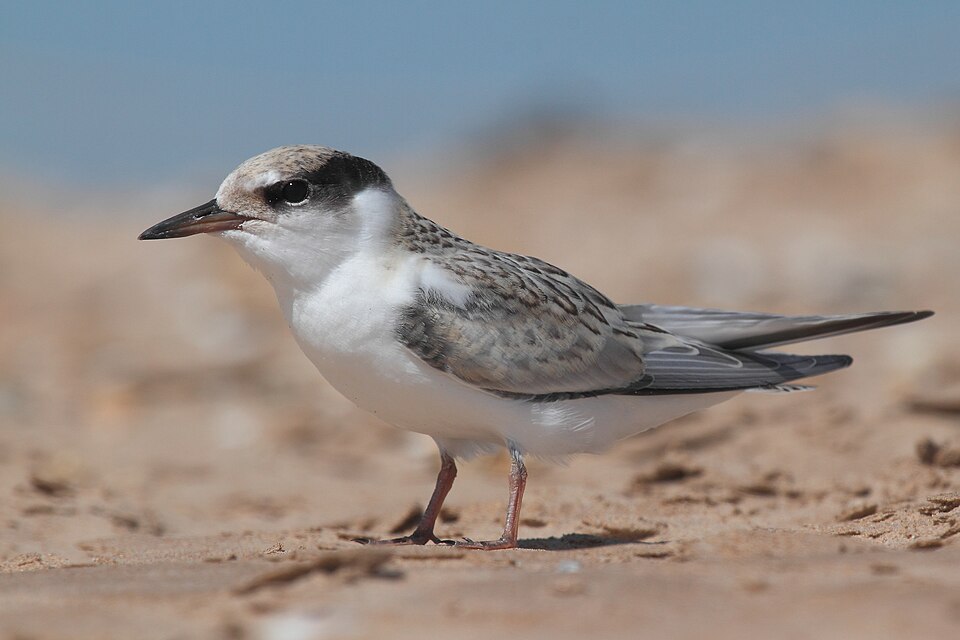 Charrancito Común
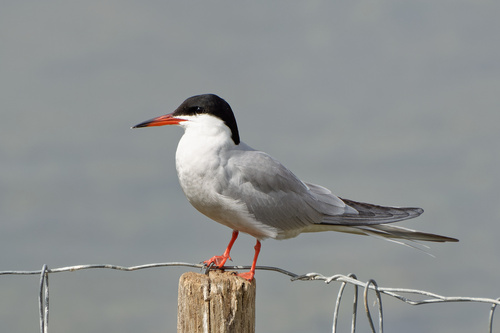 Charrán Común
En breve
La marca de campo más confiable entre el Charrancito Común y el Charrán Común es el tamaño: el Charrancito Común es notablemente más pequeño y más delicado, con un pico pequeño y afilado y alas y cola cortas, mientras que el Charrán Común es mucho más grande y robusto. En plumaje de cría, el Charrancito Común muestra una frente blanca llamativa y un pico amarillo con una punta negra, mientras que el Charrán Común tiene una capucha negra completa y un pico más largo, de color naranja-rojo, con una punta negra. Las aves juveniles y no reproductoras pueden ser más complicadas, pero el Charrancito Común siempre parece más delicado, con alas más cortas y angulares y patas amarillentas. Observa primero la estructura y el color del pico, especialmente a distancia o en bandadas mixtas.
Consejos de identificación
- El tamaño es la primera verificación: El Charrancito Común es mucho más pequeño y más delicado que el Charrán Común. En bandadas mixtas, busca el charrán más pequeño y compacto.
- Color y forma del pico: En plumaje de cría, el Charrancito Común tiene un pico corto, delgado y amarillo con una punta negra; el pico del Charrán Común es más largo, más robusto y de color naranja-rojo con una punta negra. En no reproducción, el pico del Charrancito Común se vuelve negro, pero sigue siendo corto y fino.
- Color de las patas: El Charrancito Común tiene patas amarillas en cría, más apagadas en invierno; el Charrán Común tiene patas rojas brillantes en cría, más oscuras pero aún rojizas en no reproducción.
- Patrón de la frente: El Charrancito Común siempre muestra una frente blanca en plumaje de cría, extendiéndose más hacia atrás en no reproducción. El Charrán Común tiene una capucha negra completa en cría, la pierde en invierno pero nunca muestra el contraste agudo de la frente blanca del Charrancito Común.
- Estructura de alas y cola: El Charrancito Común tiene alas cortas y angulares y una cola corta, lo que le da un aspecto compacto. Las alas del Charrán Común son más largas, más triangulares, y la cola es más larga y más profundamente ahorquillada.
- Estilo de vuelo: El Charrancito Común es aleteante y ligero, a menudo flotando antes de zambullirse. El Charrán Común es más directo y poderoso, con aleteos más rígidos y planeos más largos.
- Postura posada: El Charrancito Común se sienta bajo y compacto, a menudo luciendo 'sin cuello'. El Charrán Común se erige más alto, con un cuello y patas más largos.
- Plumaje en no reproducción: Ambas especies pierden algo de contraste facial, pero el Charrancito Común mantiene una frente blanca y sigue siendo más pequeño y más delicado. El Charrán Común puede mostrar un rabadilla grisácea y carece de la aguda frente blanca.
- Confusión juvenil: Para aves inmaduras, confía en el tamaño, la forma del pico y la estructura, ya que los patrones de alas juveniles detallados no se describen aquí.
- Contexto de hábitat: Si se ve en una pequeña laguna protegida o en una lengua de arena, es más probable que sea un Charrancito Común. En grandes lagos o costas abiertas, el Charrán Común es más frecuente.
- Asociación grupal: El Charrancito Común a menudo forrajea y anida en grupos pequeños y compactos. El Charrán Común puede estar en colonias más grandes y más dispersas.
- Voz: No se describe aquí, así que no confíes en los llamados para la separación con estas notas.
- Cambios estacionales: En invierno, ambas especies se vuelven más apagadas, pero el Charrancito Común sigue siendo mucho más pequeño y mantiene un pico y patas proporcionalmente más cortos.
- Color del pico y patas en eclipse: En no reproducción, el pico y las patas del Charrancito Común se oscurecen, pero el pico se mantiene corto y fino. El pico y las patas del Charrán Común también se oscurecen, pero el pico sigue siendo más largo y pesado.
- Cuando tengas dudas: Siempre verifica primero el tamaño y la estructura del pico, especialmente a distancia o cuando el plumaje es ambiguo.
Tamaño
El Charrancito Común es mucho más pequeño, con una masa corporal de aproximadamente 57g [wikidata], en comparación con el Charrán Común, que es sustancialmente más pesado (sin cifra precisa en las notas, pero visiblemente más grande en el campo). El Charrancito Común mide solo 21–25 cm de largo con una envergadura de 41–47 cm [wikipedia], lo que lo hace notablemente más pequeño y compacto que el Charrán Común. El Charrán Común tiene una cabeza más grande, un cuello más grueso, patas más largas y alas más largas y triangulares, lo que le da un perfil de vuelo más poderoso y directo.
Plumaje
- Aves juveniles/inmaduras: Las notas no proporcionan diferencias detalladas en el ala superior o el patrón de vuelo para los juveniles de Charrancito Común, pero se dice que los juveniles de Charrán Común son fácilmente separables de aves de otras especies de edad similar (detalles no especificados aquí). Para ambos, busca la estructura general y el color del pico como pistas primarias en aves jóvenes.
- Adultos en cría: El Charrancito Común en plumaje de cría muestra una frente blanca, un pico amarillo con punta negra y patas amarillas. El Charrán Común tiene una capucha negra completa, un pico naranja-rojo con punta negra y patas rojas brillantes. La frente blanca es una marca clave para el Charrancito Común en la temporada de cría.
- Adultos en no reproducción: El Charrancito Común desarrolla una frente más extensamente blanca, el pico se vuelve negro y las patas se oscurecen. El Charrán Común en plumaje de no reproducción puede mostrar una rabadilla grisácea y pierde la capucha negra completa, pero retiene un pico más largo y robusto y un tamaño general más grande. Ambas especies pierden algo de contraste facial, pero el Charrancito Común sigue siendo mucho más pequeño y más delicado.
- Vuelo: Las alas del Charrancito Común son cortas y angulares, coincidiendo con su pequeño tamaño, mientras que las alas del Charrán Común son más largas, más triangulares y más rígidas en vuelo.
Comportamiento
El Charrancito Común típicamente aparece más aleteante y ligero en vuelo, reflejando su menor tamaño y construcción más ligera. A menudo flota sobre el agua antes de zambullirse. El Charrán Común tiene un vuelo más poderoso y directo con aleteos más rígidos y una fase de planeo más larga. Cuando está posado, el Charrán Común se erige más alto sobre patas más largas, mientras que el Charrancito Común parece bajo y compacto.
Hábitat
El Charrancito Común cría en costas arenosas o gravosas y vías navegables interiores, a menudo en pequeñas colonias, y es más probable que se encuentre en estuarios o lagunas protegidas. El Charrán Común tiene un rango más amplio, criando a lo largo de costas templadas y subárticas y grandes lagos y ríos interiores. Ambas especies pueden ocurrir juntas, pero el Charrán Común es más probable en cuerpos de agua más grandes y en una gama más amplia de hábitats.