

Gaviota Enana vs Gaviota Cabecinegra
Hydrocoloeus minutus frente a Ichthyaetus melanocephalus
Juega un quiz con Gaviota Enana y Gaviota Cabecinegra
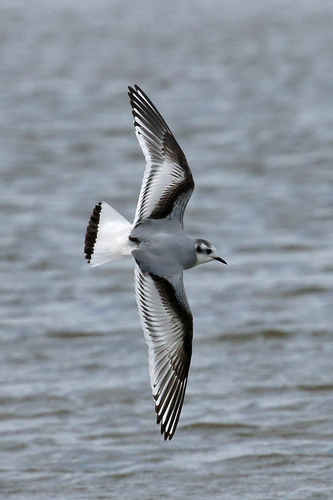 Gaviota Enana
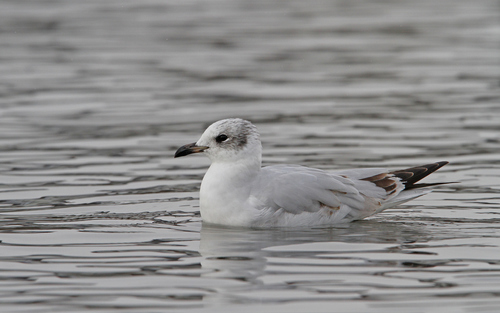 Gaviota Cabecinegra
En breve
La forma más confiable de separar la Gaviota Enana de la Gaviota Cabecinegra es enfocándose en los patrones de alas y vuelo específicos de la edad: las Gaviotas Enanas juveniles y de primer invierno muestran una llamativa 'W' negra en las alas superiores y alas inferiores blancas, mientras que las Gaviotas Cabecinegras de la misma edad tienen más negro en las alas superiores pero carecen del patrón 'W' y tienen una banda terminal negra en la cola. Las Gaviotas Enanas adultas son mucho más pequeñas, con un ala inferior oscura y primarias blancas, mientras que las Gaviotas Cabecinegras son más robustas, con un manto gris muy pálido y primarias completamente blancas. La forma del pico, el color de las patas y el patrón de la cabeza también difieren, especialmente en plumaje de cría. El tamaño es una pista fuerte, pero las mejores marcas de campo están en los patrones de alas y cabeza, especialmente en vuelo y para aves inmaduras.
Consejos de identificación
- Patrón de alas superiores juvenil/primer invierno: Busca la 'W' negra en las alas superiores en vuelo—única de la Gaviota Enana juvenil y de primer invierno. Las Gaviotas Cabecinegras juveniles tienen más negro difuso en el ala y una banda negra en la cola, pero nunca una 'W'.
- Color del ala inferior: La Gaviota Enana de todas las edades muestra alas inferiores de un gris muy oscuro, especialmente llamativas en vuelo. La Gaviota Cabecinegra tiene alas inferiores pálidas, incluso en inmaduras.
- Patrón de cola en inmaduras: Las Gaviotas Cabecinegras de primer año muestran una banda terminal negra en la cola; la Gaviota Enana carece de esta característica.
- Tamaño y apariencia: La Gaviota Enana es diminuta, delicada y de patas cortas, con un pico pequeño y fino. La Gaviota Cabecinegra es más robusta, de patas más largas y tiene un pico más pesado y de lados paralelos.
- Color y forma del pico: La Gaviota Enana en plumaje de cría tiene un pico delgado de color rojo oscuro; la Gaviota Cabecinegra tiene un pico más pesado, rojo oscuro con una banda subterminal negra (especialmente en plumaje de cría).
- Color de las patas: Ambas especies tienen patas rojas en plumaje de cría, pero las de la Gaviota Cabecinegra son más largas y oscuras; las de la Gaviota Enana son de un rojo brillante pero cortas y delicadas.
- Patrón de cabeza (cría): La Gaviota Enana tiene una capucha negra ordenada; la capucha de la Gaviota Cabecinegra es más extensa, llegando hasta la nuca, y muestra distintivas medias lunas blancas alrededor de los ojos.
- Patrón de cabeza (no cría): La Gaviota Enana muestra una gorra negra y una mancha en la oreja; la Gaviota Cabecinegra tiene una máscara 'bandido' oscura a través del ojo.
- Color del manto y alas superiores: La Gaviota Enana tiene un dorso y alas superiores de un gris pálido con primarias blancas; la Gaviota Cabecinegra tiene un manto gris muy pálido y primarias completamente blancas (sin puntas negras).
- Patrón de primarias: Ambos adultos tienen primarias blancas, pero las de la Gaviota Cabecinegra son completamente blancas sin puntas negras, mientras que las primarias blancas de la Gaviota Enana contrastan con el ala superior gris pálido.
- Estilo de vuelo: La Gaviota Enana es ligera y ágil, a menudo recogiendo insectos del aire; la Gaviota Cabecinegra es más estable y menos aérea.
- Contexto de hábitat: En verano, una gaviota muy pequeña en un lago o pantano interior es probablemente una Gaviota Enana; una gaviota más grande en una llanura costera es probablemente una Gaviota Cabecinegra.
- Rubor rosado: Las Gaviotas Enanas en cría pueden mostrar un rubor rosado en las partes inferiores, no visto en la Gaviota Cabecinegra.
- Medias lunas blancas alrededor de los ojos: Solo la Gaviota Cabecinegra muestra distintivas medias lunas blancas alrededor de los ojos en plumaje de cría.
- Riesgo de confusión: Si ves una gaviota pequeña con una capucha negra y pico rojo, verifica cuidadosamente el patrón de alas y alas inferiores, el tamaño y la forma del pico—estos son los puntos de separación más confiables.
Tamaño
La Gaviota Enana es la gaviota más pequeña del mundo, con una masa corporal de alrededor de 98 g y una longitud de 24–28 cm. La Gaviota Cabecinegra es notablemente más grande y robusta, con un pico más pesado y largo y patas más largas y oscuras. Incluso a distancia, la Gaviota Enana parece pequeña y delicada, mientras que la Gaviota Cabecinegra tiene un aspecto más robusto y grueso. El tamaño por sí solo a menudo es suficiente para descartar la Gaviota Enana si ves un ave que se acerca al tamaño de una Gaviota Reidora.
Plumaje
- Juvenil/Primer invierno: Las Gaviotas Enanas juveniles y de primer invierno muestran un patrón diagnóstico de 'W' negra en las alas superiores en vuelo, con alas inferiores blancas y grandes áreas negruzcas en la espalda y la cabeza. Las Gaviotas Cabecinegras de primer año tienen más negro en las alas superiores pero carecen de la 'W', y muestran una banda terminal negra en la cola y alas inferiores pálidas.
- Segundo año: Las Gaviotas Enanas de segundo año se asemejan a los adultos pero pueden retener algo de negro en las primarias. La Gaviota Cabecinegra tarda dos años en alcanzar la madurez, y los de segundo año son más cercanos al adulto pero pueden mostrar algo de oscuro en las alas o la cola.
- Adulto en cría: Las Gaviotas Enanas adultas tienen una capucha negra, pico rojo oscuro y patas rojas brillantes, con un dorso y alas superiores gris pálido, primarias blancas y un ala inferior gris muy oscuro. Las Gaviotas Cabecinegras adultas en plumaje de cría tienen una capucha negra más extensa que se extiende hasta la nuca, medias lunas blancas distintivas alrededor de los ojos, un manto gris muy pálido y primarias completamente blancas (sin puntas negras). El pico es más pesado, rojo oscuro con una banda subterminal negra, y las patas son más largas y de un rojo más oscuro.
- Adulto no en cría: Las Gaviotas Enanas adultas pierden la capucha completa, mostrando una gorra negra y una mancha en la oreja, mientras que las Gaviotas Cabecinegras adultas muestran una máscara 'bandido' oscura a través del ojo en lugar de una gorra.
Comportamiento
Las Gaviotas Enanas son voladoras ágiles y ligeras, a menudo vistas recogiendo insectos de la superficie del agua o en el aire, especialmente durante la temporada de cría. Las Gaviotas Cabecinegras tienen un vuelo más directo y estable y son menos ágiles en el aire. Cuando están posadas, las Gaviotas Enanas lucen delicadas y de patas cortas, mientras que las Gaviotas Cabecinegras se ven más altas y robustas.
Hábitat
La Gaviota Enana cría en lagos y pantanos de agua dulce, a menudo en el interior, y pasa el invierno en el mar. La Gaviota Cabecinegra es más costera, aunque puede encontrarse en el interior durante la migración. Si ves una gaviota muy pequeña en un pantano de agua dulce en verano, es más probable que sea una Gaviota Enana; una gaviota más grande con un manto pálido en una llanura costera es más probable que sea una Gaviota Cabecinegra.