

Pingüino Rey vs Pingüino de Adelia
Aptenodytes patagonicus frente a Pygoscelis adeliae
Juega un quiz con Pingüino Rey y Pingüino de Adelia
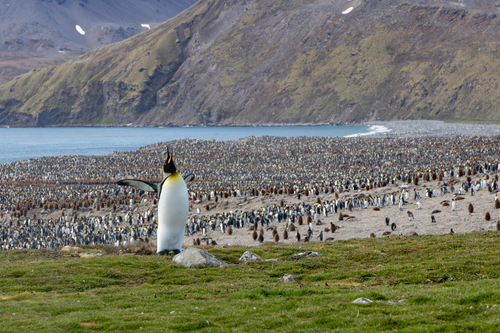 Pingüino Rey
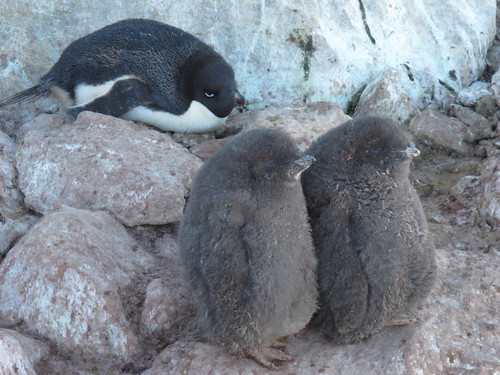 Pingüino de Adelia
En breve
La marca de campo más confiable para separar el Pingüino Rey del Pingüino de Adelia es la presencia de parches de mejilla de un brillante color naranja y el pecho superior en el Pingüino Rey, en comparación con la cabeza completamente negra del Adelia, que tiene un anillo ocular blanco conspicuo y partes inferiores blancas. Los Adelia inmaduros pueden mostrar un mentón y garganta blancos, pero nunca los tonos naranjas o amarillos de un Rey. Los Pingüinos Reyes también son mucho más grandes y robustos, con un pico notablemente más largo y pesado. En vuelo o en tierra, los Adelia muestran un marcado contraste en blanco y negro y un borde blanco en el ala superior, mientras que los Reyes parecen más uniformemente oscuros arriba con sus características resaltadas en naranja. Si ves un pingüino con un anillo ocular blanco, no es un Pingüino Rey.
Consejos de identificación
- Color del parche de mejilla: Los Pingüinos Reyes tienen un amplio parche de mejilla naranja brillante; los Adelia tienen una cabeza negra simple sin parche de color. Esta es la marca más confiable en todas las edades.
- Anillo ocular: Los adultos de Adelia tienen un anillo ocular blanco conspicuo; los Pingüinos Reyes nunca muestran un anillo ocular blanco a ninguna edad.
- Color y estructura del pico: Los Pingüinos Reyes tienen un pico largo y pesado con naranja a lo largo de la mandíbula inferior; los Adelia tienen un pico más corto, mayormente negro, con solo una punta marrón rojiza tenue, y gran parte del pico está cubierta de plumas.
- Patrón del ala superior: Los Adelia muestran un borde blanco en el ala superior (en vuelo o en reposo), contrastando con el ala superior negra; los Pingüinos Reyes tienen alas superiores uniformemente oscuras sin borde blanco.
- Patrón del ala inferior: Las alas inferiores de Adelia son blancas con un borde negro estrecho y punta negra; el ala inferior del Pingüino Rey no tiene un patrón distintivo de esta manera.
- Color del pecho: Los Pingüinos Reyes tienen un pecho superior naranja; los Adelia tienen un pecho y vientre blancos limpios.
- Cabeza y garganta: Los Adelia tienen una cabeza y garganta negras (adultos), o mentón y garganta blancos (inmaduros); los Pingüinos Reyes siempre tienen cabezas oscuras con parches de mejilla naranjas.
- Tamaño y robustez: Los Pingüinos Reyes son mucho más grandes y pesados que los Adelia; si el ave parece masiva, es un Rey.
- Color de piernas y pies: Los Adelia tienen piernas y pies rosados, mayormente sin plumas; las piernas del Rey son menos visibles y no son una marca de campo primaria.
- Hábitat: Los Adelia crían en el continente antártico; los Reyes crían en islas subantárticas. La ubicación es una pista fuerte.
- Comportamiento: Los Adelia son más activos, sociales y ágiles en colonias; los Reyes se mueven más lentamente y con un andar majestuoso.
- Confusión juvenil: Los Adelia inmaduros pueden mostrar un mentón y garganta blancos, pero nunca naranja o amarillo en la cabeza o pecho. Ninguna edad de Adelia se asemeja jamás a los tonos naranjas del Pingüino Rey.
- Plumaje del pico: Los picos de Adelia están mayormente cubiertos de plumas negras excepto la punta; los picos de Rey están más expuestos y muestran coloración naranja.
- Diferencias sexuales: Ambas especies son sexualmente monomórficas en plumaje; las diferencias de tamaño son sutiles y no útiles para la identificación de campo entre especies.
- Contexto de colonia: Si ves un gran grupo de pingüinos con anillos oculares blancos y sin naranja, estás mirando a los Adelia. Si ves parches de mejilla naranjas y un gran tamaño, es una colonia de Pingüinos Reyes.
Tamaño
Los Pingüinos Reyes son dramáticamente más grandes y pesados que los Pingüinos de Adelia. Los Pingüinos Reyes adultos promedian alrededor de 12,150 g (12.2 kg), mientras que los Adelia promedian alrededor de 5,045 g (5.0 kg) [wikidata]. En longitud, los Pingüinos Reyes miden entre 70 y 100 cm de altura, en comparación con los 70–73 cm del Adelia, pero la masa y robustez mucho mayores del Rey son inmediatamente evidentes. Incluso el Adelia más grande nunca se acerca a la robustez o altura de un Pingüino Rey bien alimentado, y el largo y grueso pico del Rey y su profundo pecho acentúan aún más su tamaño.
Plumaje
Los Pingüinos de Adelia inmaduros (post-juveniles, antes de adultos) tienen un mentón y garganta blancos y un tinte más azul en sus partes superiores, pero nunca muestran naranja o amarillo en la cabeza o pecho. Los adultos desarrollan el característico anillo ocular blanco y una cabeza, garganta y partes superiores completamente negras, con partes inferiores blancas limpias. El ala superior en Adelia es negra con un borde blanco nítido (visible en vuelo o en reposo), y el ala inferior es blanca con un borde negro estrecho y una pequeña punta negra. Los Pingüinos Reyes, tanto adultos como inmaduros, tienen un amplio parche de mejilla naranja brillante y un pecho superior naranja, con partes superiores oscuras y partes inferiores blancas. El Rey nunca muestra un anillo ocular blanco ni el preciso contraste en blanco y negro del Adelia. El pico del Rey también presenta naranja a lo largo de la mandíbula inferior, mientras que el pico del Adelia es mayormente negro con solo un indicio de marrón rojizo en la punta. Ninguna edad de Adelia muestra jamás los tonos naranjas o amarillos del Rey.
Comportamiento
Los Pingüinos Reyes se mueven con un andar majestuoso y erguido y pueden deslizarse sobre sus barrigas, pero su robustez los hace menos ágiles que los Adelia. Los Pingüinos de Adelia son más activos y ágiles, especialmente en grandes colonias, y a menudo recogen piedras para los nidos. En el agua, los Pingüinos Reyes son buceadores poderosos, a menudo saltando y capaces de buceos muy profundos y prolongados, mientras que los Adelia son buceadores más típicos de poca profundidad. Ambos son incapaces de volar, pero los Adelia pueden parecer más enérgicos y sociales, especialmente en sitios de cría.
Hábitat
Los Pingüinos Reyes crían en islas subantárticas, nunca en el continente antártico en sí, y se encuentran típicamente en playas o áreas planas y herbosas cerca del mar. Los Pingüinos de Adelia son estrictamente antárticos, criando en terrenos rocosos libres de hielo a lo largo de la costa antártica. Si estás en la profunda Antártida, casi con certeza estás viendo Adelia, no Rey. Los Pingüinos Reyes no ocurren en el mismo hábitat que los Adelia, excepto como vagabundos raros.
Voz
Ambas especies son altamente vocales en colonias, pero sus llamados no son típicamente diagnósticos a distancia para la separación de campo. Los machos y hembras del Pingüino Rey pueden ser separados por su llamado, pero esta no es una marca de campo práctica para distinguirlos de los Pingüinos de Adelia.