

Zorzal Real vs Escribano Nival
Turdus pilaris frente a Plectrophenax nivalis
Juega un quiz con Zorzal Real y Escribano Nival
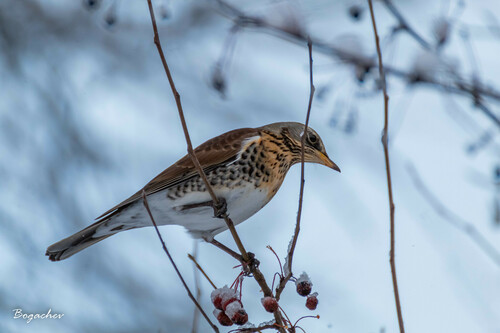 Zorzal Real
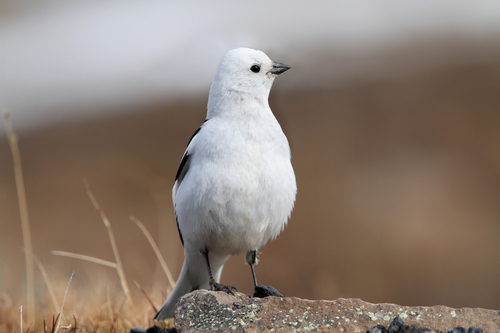 Escribano Nival
En breve
La marca de campo más confiable para separar Zorzal Real de Escribano Nival es el pecho audaz y moteado del Zorzal Real y la cabeza gris pizarra frente a las partes inferiores blancas y el patrón de alas en blanco y negro del Escribano Nival, especialmente en vuelo. Los Zorzales Reales juveniles son más apagados pero aún muestran pechos estriados, mientras que todas las edades de Escribano Nival tienen mucho más blanco en el ala y carecen de manchas en el pecho. Estructuralmente, los Zorzales Reales son mucho más grandes, con una construcción robusta de mirlo y una cola más larga, mientras que los Escribanos Nivales son más pequeños, más robustos y a menudo muestran un pico amarillento o con punta negra. En vuelo, los Zorzales Reales revelan cobertores de ala inferiores blancos y una cola oscura, mientras que los Escribanos Nivales destellan un extenso blanco en las alas y la cola. El hábitat también es una pista fuerte: los Zorzales Reales suelen estar en áreas boscosas o de parques, los Escribanos Nivales en terreno abierto o tundra.
Consejos de identificación
- Tamaño y Estructura: Zorzal Real es mucho más grande y robusto que Escribano Nival. Si el pájaro parece del tamaño de un mirlo, casi con seguridad es un Zorzal Real.
- Forma y Color del Pico: Zorzal Real tiene un pico fuerte y ligeramente curvado que es de color amarillo-naranja en invierno (con una punta oscura), mientras que Escribano Nival tiene un pico corto y cónico, amarillo con una punta negra en invierno, completamente negro en machos en época de cría.
- Patrón del Pecho: Zorzal Real siempre muestra un pecho audazmente moteado o estriado (incluso en juveniles), mientras que Escribano Nival tiene partes inferiores blancas limpias sin manchas a ninguna edad.
- Cabeza y Cara: Zorzal Real tiene una cabeza y nuca gris pizarra con loretes y área debajo del ojo negros, dando un aspecto enmascarado; Escribano Nival tiene un aspecto mucho más simple, con cara blanca en machos, o una cara menos marcada en hembras, nunca con la máscara del Zorzal Real.
- Espalda y Rabadilla: Zorzal Real tiene una espalda marrón castaño y rabadilla gris; la espalda del Escribano Nival es en blanco y negro en machos en época de cría, o con bordes marrones en invierno, pero nunca castaña o gris.
- Patrón de Alas en Vuelo: Zorzal Real muestra cobertores de ala inferiores y axilares blancos, pero las alas superiores son de un marrón negruzco uniforme. Escribano Nival destella un extenso blanco en el ala superior y la cola, especialmente obvio en vuelo en todas las edades y sexos.
- Cola: La cola del Zorzal Real es redondeada, de un marrón negruzco oscuro con sutiles estrías y un ligero borde blanco en las plumas exteriores. La cola del Escribano Nival es más corta, con mucho más blanco visible, especialmente en vuelo.
- Patas y Pies: Zorzal Real tiene patas y pies marrones; Escribano Nival tiene tarsos (piernas) emplumados como adaptación al frío, que a veces se pueden ver de cerca.
- Plumaje Juvenil: Los Zorzales Reales juveniles son más apagados pero aún estriados; los Escribanos Nivales juveniles son siempre blancos por debajo y muestran blanco en las alas.
- Dimorfismo Sexual: Los sexos del Zorzal Real son similares, con hembras ligeramente más marrones y menos marcadas; los Escribanos Nivales son fuertemente dimórficos en plumaje de cría, con machos mucho más blancos y negros que las hembras.
- Hábitat: Los Zorzales Reales se encuentran en áreas boscosas o de parques, a menudo cerca de árboles; los Escribanos Nivales están en terreno abierto, tundra o campos de rastrojo, rara vez cerca de árboles.
- Comportamiento: Los Zorzales Reales se posan en árboles y se alimentan en el suelo; los Escribanos Nivales están casi siempre en el suelo, caminando o corriendo, rara vez posándose.
- Estilo de Vuelo: Los Zorzales Reales vuelan de manera fuerte y directa, a menudo llamando; los Escribanos Nivales tienen un vuelo más aleteante y saltarín con bandadas que giran y destellan blanco.
- Voz: Escucha el duro llamado "tsak tsak" del Zorzal Real frente al silbido más suave y ondulante del Escribano Nival.
- Cambios Estacionales: El plumaje del Zorzal Real es estable durante todo el año; los Escribanos Nivales se vuelven más blancos en primavera a medida que los bordes de las plumas se desgastan, pero siempre carecen de manchas en el pecho y muestran blanco en el ala.
Tamaño
Zorzal Real es sustancialmente más grande y pesado (masa corporal ~105 g) que Escribano Nival (30–40 g). Los Zorzales Reales alcanzan aproximadamente 25 cm de longitud con una envergadura de 39–42 cm, mientras que los Escribanos Nivales son más pequeños, con 15 cm de longitud y una envergadura de 32–38 cm. En el campo, los Zorzales Reales aparecen como mirlos grandes y robustos con una cola larga y un pico fuerte, mientras que los Escribanos Nivales son notablemente más pequeños, más compactos y similares a los escribanos, con colas más cortas y picos cónicos más pequeños.
Plumaje
- Juvenil/Primer invierno: Los Zorzales Reales juveniles son más apagados que los adultos pero aún tienen estrías pálidas en el pecho y una apariencia generalmente estriada y marrón; carecen del extenso blanco en el ala que muestran los Escribanos Nivales. Los Escribanos Nivales juveniles y adultos siempre muestran partes inferiores blancas y un blanco prominente en las alas y la cola, con bordes marrón anaranjado en invierno.
- Adulto (no en cría): Los Zorzales Reales tienen una cabeza y rabadilla gris pizarra, espalda marrón castaño, manchas en el pecho negruzcas audaces y cobertores de ala inferiores blancos visibles en vuelo. Los Escribanos Nivales en invierno son blancos por debajo, con alas y espalda en blanco y negro, y bordes marrón anaranjado en las plumas de la espalda.
- Adulto (en cría): Los Zorzales Reales no cambian mucho estacionalmente, mientras que los machos de Escribano Nival se vuelven aún más llamativos, con cuerpo blanco y espalda/alas negras. Las hembras de Escribano Nival son similares pero con bordes marrones en la espalda. Los Zorzales Reales nunca muestran las partes inferiores completamente blancas ni el agudo patrón de alas en blanco y negro de los Escribanos Nivales.
Comportamiento
Los Zorzales Reales a menudo se ven en bandadas, especialmente en invierno, alimentándose en el suelo o posados en lo alto de los árboles. Su vuelo es fuerte y directo, a menudo con un llamado duro. Los Escribanos Nivales son terrestres, caminando o corriendo en lugar de saltar, y se encuentran típicamente en bandadas en terreno abierto, especialmente en invierno. En vuelo, los Escribanos Nivales son ágiles y muestran mucho blanco en las alas y la cola, a menudo girando en grupos compactos.
Hábitat
Los Zorzales Reales crían y se alimentan en bosques, matorrales y áreas de parques, especialmente en el norte de Europa y el Paleártico, y a menudo se ven en campos abiertos en invierno pero cerca de árboles. Los Escribanos Nivales son especialistas árticos, criando en tundra o altas montañas, y invernando en áreas abiertas y sin árboles como campos costeros, rastrojos o tundra. Si ves el pájaro en un área boscosa o posado en un árbol, es mucho más probable que sea un Zorzal Real; si está en terreno abierto y árido, especialmente en una bandada, el Escribano Nival es la mejor opción.
Voz
El llamado más distintivo del Zorzal Real es una nota dura y repetida "tsak tsak", especialmente en vuelo o cuando se siente alarmado. Su canto es débil y rara vez se escucha, una mezcla de frases y chirridos similares a los del mirlo. El Escribano Nival tiene un silbido ondulante y líquido (per,r,r,rit) y una breve y ruidosa canción trina, pero generalmente es más silencioso en bandadas invernales. El llamado del Zorzal Real es mucho más duro y más parecido al de un mirlo, mientras que el del Escribano Nival es más suave y musical.