

Chorlito Carambolo vs Chorlitejo Chico
Eudromias morinellus frente a Thinornis dubius
Juega un quiz con Chorlito Carambolo y Chorlitejo Chico
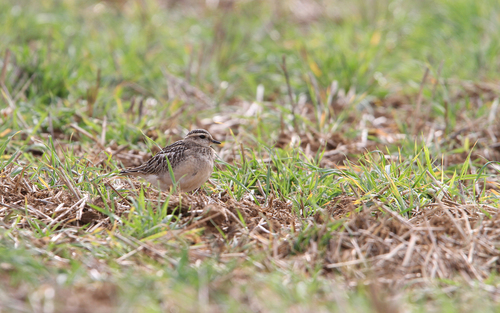 Chorlito Carambolo
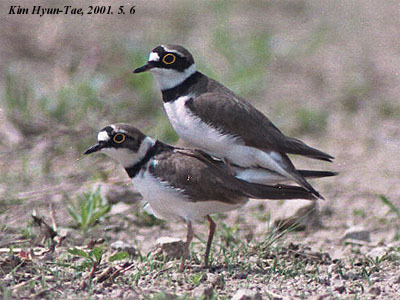 Chorlitejo Chico
En breve
La marca de campo más confiable para separar el Chorlito Carambolo del Chorlitejo Chico es el audaz y amplio supercilio blanco (ceja) del carambolo, que está presente en todos los plumajes y contrasta con la máscara negra y el anillo ocular amarillo del chorlitejo. En vuelo, el Chorlito Carambolo de todas las edades muestra alas lisas y sin marcas, mientras que el Chorlitejo Chico tampoco tiene un patrón de alas distintivo, pero la construcción compacta y rechoncha del carambolo y su patrón de cabeza único destacan. Los carambolos en cría son inconfundibles con su pecho castaño y vientre negro, pero incluso en plumaje no reproductivo o juvenil, la combinación de un supercilio fuerte y alas lisas es distintiva. El color de las patas (amarillo en el carambolo, color carne en el chorlitejo) y la presencia de un anillo ocular amarillo en el chorlitejo también son clave. Ambos son pequeños chorlitos, pero el carambolo es ligeramente más compacto y tiene un pico más corto.
Consejos de identificación
- Supercilio: El Chorlito Carambolo siempre muestra un supercilio blanco amplio y fuerte (ceja) en todos los plumajes y edades, que es mucho más prominente que el delgado blanco sobre el ojo del Chorlitejo Chico.
- Patrón de cabeza: El Chorlitejo Chico tiene una máscara negra a través del ojo, bordeada arriba por blanco, y un claro anillo ocular amarillo; el carambolo carece del anillo ocular amarillo y de la máscara, mostrando en su lugar un aspecto más abierto con el audaz supercilio.
- Banda del pecho: El carambolo en plumaje de cría tiene una banda de pecho castaño-naranja bordeada arriba por blanco y un vientre negro; el Chorlitejo Chico siempre tiene una única y ordenada banda negra en el cuello y partes inferiores blancas—nunca un vientre naranja o negro.
- Color de las patas: El carambolo tiene patas amarillas; el chorlitejo tiene patas de color carne. Esto es visible a corta distancia o con buena luz.
- Pico: El pico del carambolo es corto y negro; el pico del chorlitejo también es corto y oscuro, pero la diferencia es sutil y no suele ser diagnóstica.
- Patrón de alas en vuelo: Ambas especies tienen alas lisas, pero las alas del carambolo son especialmente sin características y carecen de paneles contrastantes o bordes traseros. Esta es una marca sutil pero útil en vuelo, especialmente para juveniles y aves no reproductivas.
- Patrón de la espalda juvenil: El juvenil del carambolo muestra un patrón escamoso en la espalda, pero siempre con un fuerte supercilio; el juvenil del Chorlitejo Chico es más sencillo arriba y carece de la audaz ceja.
- Anillo ocular: El Chorlitejo Chico siempre muestra un claro anillo ocular amarillo en todos los plumajes y edades; el carambolo nunca muestra un anillo ocular amarillo.
- Estructura: El carambolo es más compacto y rechoncho, con un pico y patas más cortas, y se mantiene más erguido; el Chorlitejo Chico es más esbelto y más bajo al suelo.
- Comportamiento: El carambolo es a menudo manso y de movimientos lentos, a veces permitiendo un acercamiento muy cercano; el Chorlitejo Chico es más activo, corriendo y deteniéndose con frecuencia.
- Hábitat: El carambolo se encuentra en tundra alta o páramos abiertos, especialmente en terrenos de cría, y en campos abiertos o llanuras costeras durante la migración; el Chorlitejo Chico prefiere grava, arena o barro en tierras bajas cerca del agua.
- Diferencias sexuales: La hembra del carambolo es más brillante que el macho, especialmente en plumaje de cría; el Chorlitejo Chico muestra poco dimorfismo sexual.
- Cambios estacionales: El carambolo pierde sus brillantes partes inferiores en invierno pero mantiene el supercilio; el Chorlitejo Chico permanece similar durante todo el año, con solo cambios sutiles en la intensidad de la máscara.
- Vocalización: El llamado del carambolo es un suave 'pyurr'; los llamados del Chorlitejo Chico son más agudos. Usar con precaución, ya que los llamados pueden ser difíciles de escuchar o distinguir a distancia.
- Riesgo de confusión: En mala luz o a distancia, el fuerte supercilio del carambolo y el anillo ocular amarillo del Chorlitejo Chico son las marcas más confiables. Siempre verifique la presencia o ausencia del anillo ocular amarillo y el ancho del supercilio.
Tamaño
Ambas especies son pequeños chorlitos, pero el Chorlito Carambolo es ligeramente más compacto y rechoncho que el Chorlitejo Chico. El carambolo tiene un pico más corto y patas amarillas, mientras que el chorlitejo tiene patas de color carne y una estructura más delicada. La diferencia es sutil a distancia, pero el carambolo a menudo parece más redondeado y erguido cuando está de pie, en comparación con el perfil más bajo del chorlitejo.
Plumaje
-
Aves juveniles/inmaduras: Los juveniles del Chorlito Carambolo tienen una apariencia escamosa en la espalda y siempre muestran un fuerte supercilio blanco; las alas son lisas en vuelo, sin paneles contrastantes o bordes traseros. Los juveniles del Chorlitejo Chico tienen una parte superior marrón similar pero carecen del audaz supercilio del carambolo y en su lugar muestran una máscara negra con un anillo ocular amarillo y una única banda negra en el pecho.
-
Plumaje de cría adulto: El carambolo es inconfundible: pecho castaño-naranja, bordeado arriba por blanco, con un vientre negro y espalda marrón cálido. El supercilio es muy amplio y obvio. Los adultos del Chorlitejo Chico tienen una espalda marrón, partes inferiores blancas, una única banda negra en el cuello y una máscara negra con un anillo ocular amarillo; sin vientre naranja o negro.
-
No reproductivo/invierno: El carambolo pierde los ricos colores de las partes inferiores pero retiene la línea blanca del pecho y el fuerte supercilio; las partes superiores se vuelven más grises. El Chorlitejo Chico permanece similar durante todo el año, aunque la máscara puede ser menos intensa; siempre muestra el anillo ocular amarillo y la única banda en el cuello.
Comportamiento
El Chorlito Carambolo es conocido por su comportamiento manso y confiado, a menudo permitiendo un acercamiento cercano. Tiende a mantenerse erguido y parece bastante manso y de movimientos lentos. El Chorlitejo Chico es más activo y cauteloso, a menudo corriendo en cortos arranques y moviendo la cabeza. En vuelo, ambas especies son ágiles, pero la forma compacta del carambolo y sus alas lisas contrastan con el vuelo más típico y el patrón de cabeza del chorlitejo.
Hábitat
El Chorlito Carambolo cría en tundra alta y abierta o páramo, a menudo por encima de la línea de árboles, y se ve en migración en campos abiertos o llanuras costeras. El Chorlitejo Chico prefiere hábitats de tierras bajas: canteras de grava, márgenes de ríos, orillas de lagos y márgenes arenosos o fangosos, rara vez aventurándose en la tundra alta. Es posible la superposición de hábitats durante la migración, pero el carambolo rara vez se encuentra en los hábitats típicos de cría del Chorlitejo Chico.
Voz
El llamado de vuelo del Chorlito Carambolo es un suave 'pyurr', y la canción de la hembra es un silbido simple y repetitivo. Los llamados del Chorlitejo Chico no se describen en las notas, pero sus llamados típicos de chorlito son más agudos y insistentes. Las vocalizaciones no son la forma más confiable de separar estas dos especies a menos que se escuche el suave llamado del carambolo.