
Codorniz Común vs Perdiz Roja
Coturnix coturnix frente a Alectoris rufa
Juega un quiz con Codorniz Común y Perdiz Roja
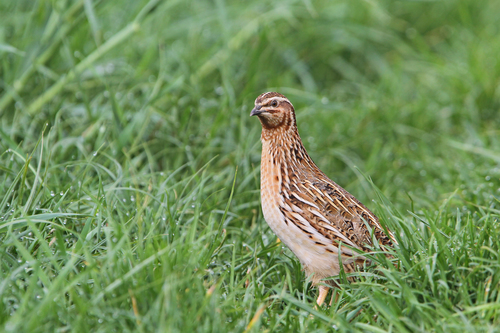 Codorniz Común
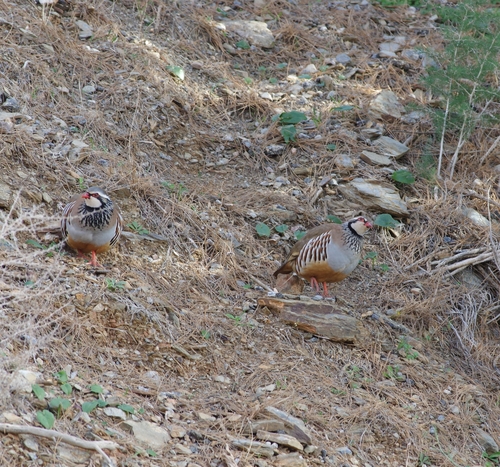 Perdiz Roja
En breve
La marca de campo más confiable para separar la Codorniz Común de la Perdiz Roja es el tamaño y la estructura general: la Codorniz Común es un ave mucho más pequeña, compacta, de color marrón estriado con una cola corta y alas largas y puntiagudas (adaptadas para la migración), mientras que la Perdiz Roja es más grande, más robusta y muestra patrones audaces en la cara y los flancos con un pico y patas rojas. En vuelo, la Codorniz Común parece pequeña y rápida con alas relativamente largas para su tamaño, mientras que la Perdiz Roja es más pesada con alas más anchas y un vuelo más pesado. El plumaje también es clave: la Codorniz Común es de color marrón estriado crípticamente con una franja ocular pálida y, en los machos, un mentón blanco; la Perdiz Roja es de color marrón arenoso por encima, pálida por debajo y con un patrón inconfundible de cara en blanco y negro y barras audaces de color rufo en los flancos. La voz es muy diferente: la Codorniz Común emite un llamado rápido y repetido de tres notas, mientras que la Perdiz Roja tiene una serie de notas charlantes y rodantes.
Consejos de identificación
- Tamaño y forma: La Perdiz Roja es mucho más grande y robusta que la Codorniz Común. Si ves un ave del tamaño de un pollo, no es una codorniz. Las codornices son del tamaño de un gorrión y compactas.
- Patrón facial: La Perdiz Roja tiene una cara llamativa con un pico rojo, un anillo ocular rojo, marcas en blanco y negro, y un audaz gorjeo negro que bordea una garganta cremosa. La Codorniz Común tiene una cara simple con una franja ocular pálida y, en los machos, un mentón blanco, pero nunca muestra el dramático patrón facial de la perdiz.
- Patrón de flancos: Busca las audaces barras de color rufo y negro en los flancos de la Perdiz Roja. La Codorniz Común tiene flancos marrones estriados simples sin barras.
- Pico y patas: La Perdiz Roja tiene un pico rojo brillante y patas de color rojo-rosado, visibles incluso a distancia. El pico y las patas de la Codorniz Común son más apagados y menos conspicuos.
- Partes superiores: La Codorniz Común es de color marrón estriado por encima, mezclándose con fondos de hierba. La Perdiz Roja es de color marrón arenoso y simple por encima, sin estrías.
- Estilo de vuelo: La Codorniz Común vuela bajo y rápido, con aleteos rápidos y una línea directa, a menudo cayendo rápidamente en la cobertura. La Perdiz Roja despega ruidosamente, vuela con aleteos más pesados y puede planear antes de aterrizar.
- Comportamiento: Las codornices son secretivas, rara vez se ven a la vista, y prefieren correr o agacharse cuando son molestadas. Las perdices son más confiadas, a menudo se ven caminando a la vista o a lo largo de senderos.
- Hábitat: Si estás en hierba alta, praderas o cultivos densos, piensa en codornices; si estás en tierras agrícolas abiertas, brezos o matorrales con suelo desnudo, es más probable que veas perdices.
- Vocalización: Aprende los llamados: la codorniz emite un silbido rápido y repetido de tres notas; la perdiz emite un llamado charlante y rodante. No son similares.
- Estacionalidad: La Codorniz Común es migratoria y puede estar presente en tu área solo en primavera/verano; la Perdiz Roja es residente en la mayor parte de su rango.
- Forma de cola y alas: La codorniz tiene una cola corta y alas largas y puntiagudas para su tamaño (adaptadas para la migración); la perdiz tiene una cola más larga y alas más anchas, con un vuelo más pesado y menos ágil.
- Diferencias sexuales: El macho de la Codorniz Común tiene un mentón blanco, pero esto es sutil y no tan obvio como el patrón facial de la perdiz. Ambos sexos de la perdiz muestran los audaces patrones de cara y flancos.
- Tamaño del grupo: La Perdiz Roja a menudo se ve en parejas o grupos pequeños; la Codorniz Común suele ser solitaria o en grupos sueltos y ocultos.
- Riesgo de confusión: A distancia o en mala luz, una codorniz asustada podría confundirse con una pequeña perdiz, pero el tamaño, el estilo de vuelo y la falta de marcas audaces deberían aclarar rápidamente la identificación.
- Aves en cautiverio: Ambas especies se mantienen en cautiverio, pero las observaciones en la naturaleza siempre deben juzgarse en contexto: las aves de caza escapadas pueden aparecer en lugares inesperados.
Tamaño
La Codorniz Común es mucho más pequeña (16–18 cm de longitud, 32–35 cm de envergadura, 70–140 g) [wikipedia, avonet] que la Perdiz Roja, que es un ave robusta del tamaño de un pollo (señalada como más grande y robusta, aunque no se dan medidas precisas en las notas). La codorniz es compacta y ligera, con una cola corta y alas largas para su tamaño, mientras que la perdiz es más pesada, con un cuerpo grueso, patas más largas y una cabeza y pico proporcionalmente más grandes. Cuando se ven juntas, la diferencia de tamaño es sorprendente: la Perdiz Roja es aproximadamente el doble de larga y varias veces más pesada que la Codorniz Común.
Plumaje
- Vuelo juvenil/inmaduro: No se describe un patrón de alas específico para juveniles o inmaduros de ninguna de las especies en las notas, por lo que las marcas de vuelo basadas en la edad no son diagnósticas aquí.
- Plumaje adulto: La Codorniz Común es de color marrón estriado en general, con una franja ocular blanca y, en los machos, un mentón blanco. Su plumaje es críptico y se mezcla bien con la hierba o los rastrojos. La Perdiz Roja, en contraste, tiene un patrón audaz: marrón arenoso por encima, pecho gris pálido, vientre de color buff-rosado, garganta cremosa bordeada por un gorjeo negro sólido, y una cara con un pico rojo, anillo ocular rojo y marcas en blanco y negro. Los flancos tienen barras prominentes de color rufo y negro. Las partes superiores son de un gris arenoso simple, y la cola es de color rufo-rosado. Estos patrones de cara y flancos nunca son mostrados por la Codorniz Común.
Comportamiento
La Codorniz Común es secreta y rara vez se ve a la vista, prefiriendo correr o agacharse en lugar de volar; se detecta más a menudo por su llamado distintivo. Cuando se asusta, vuela bajo y rápido, con aleteos rápidos y un vuelo directo y decidido, cayendo rápidamente de nuevo en la cobertura. La Perdiz Roja es más probable que se vea caminando a la vista, a menudo en pequeños grupos, y es menos secreta. Cuando se asusta, despega con aleteos ruidosos y un vuelo más pesado y laborioso, a menudo planeando con las alas extendidas antes de aterrizar. El comportamiento de la perdiz es más confiado, y puede incluso caminar sobre senderos o suelo abierto, a diferencia de la elusiva codorniz.
Hábitat
La Codorniz Común prefiere praderas abiertas, prados y campos agrícolas con mucha cobertura, especialmente áreas con hierbas altas o cultivos donde puede permanecer oculta. Es una especie migratoria, por lo que su presencia es muy estacional. La Perdiz Roja prefiere tierras agrícolas más abiertas y secas, brezos y áreas arbustivas, a menudo con suelo desnudo o vegetación corta. Es menos dependiente de la cobertura densa y es más probable que se vea en campos abiertos o a lo largo de los márgenes de los campos. Aunque ambas pueden ocurrir en tierras agrícolas, la Perdiz Roja es más tolerante a hábitats abiertos y expuestos, y a menudo se ve en lugares donde la Codorniz podría permanecer oculta.
Voz
La Codorniz Común es famosa por su llamado distintivo: tres notas cortas y repetidas de 'whit-whit-whit', que generalmente se dan en rápida sucesión y se repiten varias veces. Este llamado es a menudo la única pista de su presencia, ya que el ave es altamente secreta. La Perdiz Roja tiene una voz completamente diferente: una serie de notas charlantes, rodantes y a veces aceleradas, a menudo descritas como 'churr-churr-churr' o 'karr-karr-karr', a veces terminando en una calidad burbujeante o risueña. Los llamados no son propensos a confundirse por el oído.