

Faisán Vulgar vs Gallo Bankiva
Phasianus colchicus frente a Gallus gallus
Juega un quiz con Faisán Vulgar y Gallo Bankiva
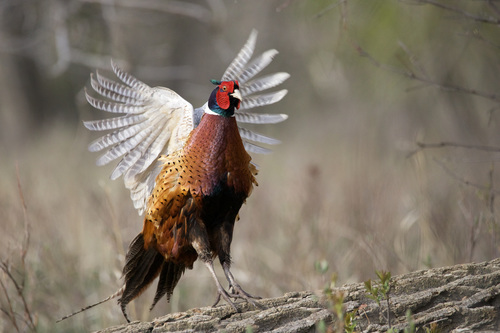 Faisán Vulgar
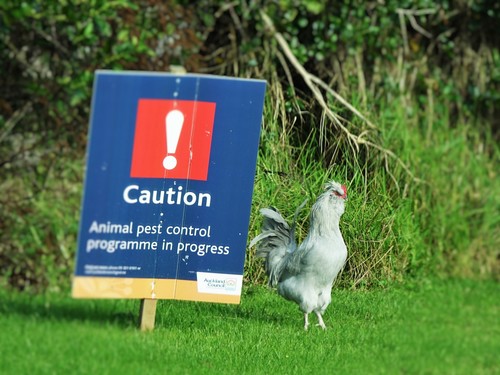 Gallo Bankiva
En breve
La marca de campo más confiable para separar el Faisán Vulgar del Gallo Bankiva es la cola extremadamente larga, puntiaguda y fuertemente barrada del faisán, especialmente en los machos, que es casi la mitad de la longitud total del ave y nunca es igualada por el gallo. Los faisanes juveniles y hembras son en general más apagados, pero aún muestran una cola más larga y puntiaguda que el compacto y de cola redondeada Gallo Bankiva. En vuelo, los faisanes parecen más grandes, pesados y de cola más larga, mientras que los Gallo Bankiva son más parecidos a las gallinas, con colas más cortas y curvadas y una construcción más compacta. Los machos de ambas especies son coloridos, pero la combinación de cabeza verde iridiscente, carúncula roja y (a menudo) un anillo blanco en el cuello del Faisán Vulgar es distintiva, mientras que los machos del Gallo Bankiva tienen plumas doradas en el cuello, una cresta roja y colas verde-negro iridiscentes. Las hembras y los inmaduros de ambas son marrones y crípticos, pero la cola más larga del faisán y el patrón más uniforme ayudan a distinguirlos.
Consejos de identificación
- Longitud y forma de la cola: La marca más confiable. El Faisán Vulgar (todas las edades y sexos) tiene una cola mucho más larga y puntiaguda, a menudo la mitad de la longitud del ave; el Gallo Bankiva tiene una cola más corta y redondeada, incluso en machos con plumas de hoz largas.
- Tamaño general y apariencia: El faisán es más robusto, largo y pesado, con un aspecto más alargado, especialmente al correr o volar. El gallo es más compacto y parecido a una gallina.
- Patrón de la cabeza del macho adulto: Los machos del faisán tienen una cabeza verde iridiscente, carúncula roja y a menudo un anillo blanco en el cuello (aunque no siempre); los machos del gallo tienen una cresta y carúncula rojas, sin anillo en el cuello, y un cuello dorado o rojo.
- Barrado de la cola: Las colas de los faisanes están fuertemente barradas con bandas negras y pálidas; las colas de los gallos son verde-negro iridisentes, a veces con un brillo azulado o purpúreo, y carecen de un fuerte barrado.
- Plumaje de hembras/juveniles: Ambas son marrones, pero las hembras de faisán son más grandes, con una cola más larga y puntiaguda y un moteado más uniforme. Las gallinas del gallo son más pequeñas, con una cola más corta y redondeada y un patrón más fino en el pecho.
- Estilo de vuelo: Los faisanes se asustan explosivamente y vuelan con aleteos ruidosos y zumbantes, luego planean con colas largas. Los gallos solo vuelan distancias cortas, generalmente para posarse, y tienen un vuelo más directo y menos ostentoso.
- Piernas y espolones: Los machos del gallo tienen espolones prominentes en la parte posterior de cada pierna; los machos del faisán pueden tener espolones, pero estos son menos obvios en el campo.
- Cresta y carúnculas: Los machos del gallo tienen una gran cresta roja erguida y carúnculas pronunciadas; los machos del faisán tienen carúnculas rojas pero no cresta.
- Plumaje de eclipse: Solo los machos del gallo muestran un plumaje de eclipse distinto (junio-octubre), con negro en la espalda y plumas rojas-naranjas dispersas; los machos del faisán no tienen una fase de eclipse comparable.
- Contexto de hábitat: El faisán se encuentra en campos abiertos, tierras agrícolas y zonas templadas; el gallo prefiere bosques tropicales y bordes de bosques.
- Comportamiento: Los faisanes son más propensos a ser vistos en el campo abierto, corriendo o volando; los gallos son tímidos, se mantienen cerca de la cobertura y a menudo se posan en los árboles.
- Vocalizaciones: Los machos del gallo emiten un canto clásico; los machos del faisán tienen un canto áspero, corto y de dos sílabas con aleteos.
- Subespecies e híbridos: Tenga en cuenta que el plumaje del faisán es altamente variable debido a la hibridación y liberaciones en cautiverio; algunos individuos pueden carecer de un anillo en el cuello o tener una coloración inusual, pero la longitud y estructura de la cola siguen siendo diagnósticas.
- Variación estacional: Los machos del gallo cambian a plumaje de eclipse en verano/otoño; los machos del faisán permanecen coloridos durante todo el año.
- Estructura del grupo: Los gallos a menudo están en pequeños grupos con uno o unos pocos machos y varias hembras; los faisanes pueden ser solitarios o en grupos sueltos, especialmente fuera de la temporada de cría.
Tamaño
El Faisán Vulgar es notablemente más grande y pesado que el Gallo Bankiva. Si bien no se indica la masa exacta del faisán, los machos promedian alrededor de 1.2 kg y las hembras alrededor de 0.9 kg [wikipedia], en comparación con el promedio de 672 g del Gallo Bankiva [wikidata] (con machos de hasta 1.5 kg y hembras de hasta 1 kg [wikipedia]). Los faisanes también son más largos en general (machos 60–89 cm, hembras 50–63 cm), principalmente debido a su cola extremadamente larga (hasta 50 cm en machos), mientras que el Gallo Bankiva alcanza hasta 70 cm, pero con una cola mucho más corta (las plumas de la cola más largas alcanzan hasta 28 cm en machos). En el campo, los faisanes parecen más robustos y alargados, especialmente al correr o volar.
Plumaje
-
Plumaje juvenil y femenino: Ambas son marrones y crípticas, pero las hembras y juveniles del Faisán Vulgar son más grandes y tienen una cola mucho más larga y puntiaguda en comparación con la cola más corta y redondeada de las gallinas del Gallo Bankiva. Las hembras del faisán son más uniformemente moteadas de marrón, mientras que las gallinas del Gallo Bankiva pueden mostrar más contraste y un patrón más fino, especialmente en el pecho.
-
Plumaje del macho adulto: Los machos del Faisán Vulgar son altamente variables pero típicamente muestran una cabeza verde botella con carúnculas rojas, a veces un anillo blanco en el cuello, y un cuerpo barrado de cobre o dorado con una cola muy larga y barrada. Los machos del Gallo Bankiva tienen un cuello dorado o rojo, una cresta y carúnculas rojas prominentes, y una cola verde-negro iridiscentes con largas plumas de hoz curvadas, pero la cola nunca es tan larga o tan fuertemente barrada como la del faisán. Los machos del gallo también muestran una forma de cuerpo más parecida a la de una gallina y carecen de la cabeza verde iridiscente y el anillo en el cuello del faisán.
-
Plumaje de eclipse: Los machos del Gallo Bankiva pasan por una muda a plumaje de eclipse (junio-octubre), con plumas negras en la espalda y plumas rojas-naranjas dispersas; el eclipse de las hembras es similar a su plumaje normal. Los machos del Faisán Vulgar no tienen un plumaje de eclipse comparable.
-
Patrón de alas en vuelo: No se describen marcas distintivas específicas de edad en las alas superiores para ninguna de las especies, pero las alas del faisán son anchas y redondeadas con cobertores pálidos y un fuerte contraste con la cola larga, mientras que las alas del gallo son más cortas y la cola es menos prominente.
Comportamiento
El Faisán Vulgar se ve a menudo caminando o corriendo en campos abiertos, a veces asustándose con un vuelo ruidoso y zumbante y planeando con colas largas y puntiagudas. Son menos propensos a posarse en los árboles. Los Gallo Bankiva son tímidos, más propensos a ser vistos en pequeños grupos, y a menudo forrajean en la cobertura. Regularmente vuelan hacia los árboles para posarse por la noche, utilizando vuelos cortos y directos. Los machos pueden ser vistos solos o en pequeños grupos, mientras que las hembras suelen estar en bandadas. Los gallos son más cautelosos y menos propensos a ser vistos en el campo abierto durante largos períodos.
Hábitat
El Faisán Vulgar está asociado con campos abiertos, tierras agrícolas y bordes de bosques, a menudo en regiones templadas. El Gallo Bankiva es un ave de bosques tropicales y subtropicales, bordes de bosques y áreas arbustivas en el sur y sureste de Asia. Si se ve en un bosque denso o cerca de aldeas en Asia, es más probable que sea un Gallo Bankiva; en tierras agrícolas abiertas o climas templados, se espera encontrar un Faisán Vulgar.
Voz
Los machos del Gallo Bankiva emiten el clásico canto 'cock-a-doodle-doo', que es fuerte y se escucha a larga distancia, especialmente al amanecer. Los machos del Faisán Vulgar tienen un canto áspero y explosivo, a menudo descrito como un llamado de dos sílabas 'kok-kok' o 'kor-kok', a veces seguido de aleteos. El canto del faisán es más corto, áspero y menos musical que el canto del gallo. Las hembras de ambas especies son generalmente silenciosas.