

Abubilla Común vs Torcecuello Euroasiático
Upupa epops frente a Jynx torquilla
Juega un quiz con Abubilla Común y Torcecuello Euroasiático
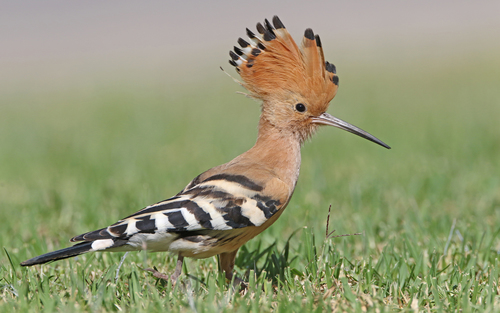 Abubilla Común
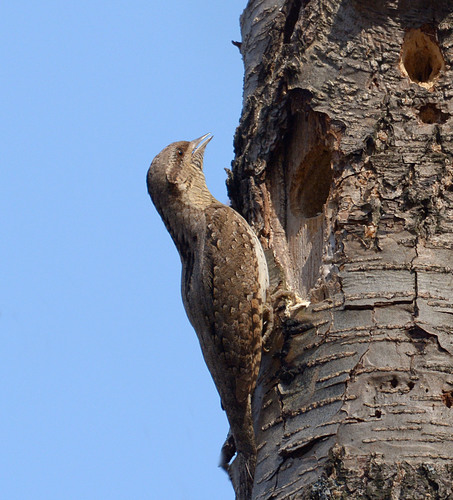 Torcecuello Euroasiático
En breve
La marca de campo más confiable para separar la Abubilla Común del Torcecuello Euroasiático es el llamativo patrón de alas y cola en blanco y negro de la Abubilla, visible en todas las edades y especialmente obvio en vuelo, junto con su cuerpo canela y su alta cresta erecta. En contraste, el Torcecuello tiene un patrón críptico en marrones y grises moteados, careciendo de cualquier marca audaz en las alas o la cola, y tiene una forma esbelta, similar a un zorzal, sin cresta. Las Abubillas muestran un vuelo distintivo y ondulante, similar al de una mariposa, mientras que los Torcecuellos vuelan de manera más directa y se posan erguido con una postura sutil y alargada. La forma del pico también es clave: las Abubillas tienen un pico largo, delgado y fuertemente curvado hacia abajo, mientras que los Torcecuellos tienen un pico recto y puntiagudo. La voz y el hábitat pueden ayudar, pero las diferencias visuales suelen ser decisivas.
Consejos de identificación
- Patrón de alas y cola en vuelo (todas las edades): La Abubilla muestra una fuerte barrera en blanco y negro en las alas y una amplia banda blanca a través de una cola negra, visible tanto posada como especialmente en vuelo. Las alas y la cola del Torcecuello son de un marrón grisáceo liso con una barrera sutil e irregular y sin manchas blancas o negras.
- Cresta (todas las edades): La Abubilla tiene una alta cresta erecta con puntas negras, a menudo levantada cuando está emocionada o alarmada. El Torcecuello carece completamente de cresta; su cabeza es suavemente redondeada.
- Forma del pico: El pico de la Abubilla es largo, delgado y fuertemente curvado hacia abajo, adaptado para sondear. El pico del Torcecuello es recto, delgado y puntiagudo, con una base ancha pero sin curva.
- Forma del cuerpo y postura: La Abubilla es robusta, con un cuerpo ancho y alas grandes y redondeadas. El Torcecuello es esbelto, alargado y similar a un zorzal, con una apariencia más delicada y una postura erguida cuando está posado.
- Color del plumaje: La Abubilla es de un rico canela o naranja-bisón en general, con alas y cola en blanco y negro contrastantes. El Torcecuello tiene un patrón críptico en marrones moteados, grises y rufo, que se mezcla con la corteza de los árboles o el suelo desnudo.
- Plumaje juvenil: Las Abubillas juveniles se parecen a los adultos, manteniendo el color y patrón audaces. Los Torcecuellos juveniles son similares a los adultos pero más apagados, con menos contraste en la barrera y las manchas.
- Estilo de vuelo: El vuelo de la Abubilla es ondulante y similar al de una mariposa, con alas amplias que se cierran a la mitad al final de cada batido. El Torcecuello vuela de manera más directa y menos errática, con alas redondeadas y lisas.
- Comportamiento de cabeza y cuello: El Torcecuello puede girar su cabeza de manera serpenteante o simular la muerte cuando se siente perturbado, un comportamiento que nunca se ve en la Abubilla.
- Comportamiento de forrajeo: Ambas especies forrajean en el suelo, pero es más probable que se vea a la Abubilla sondeando con su largo pico, mientras que el Torcecuello a menudo se alimenta cerca de nidos de hormigas y puede aferrarse a superficies verticales.
- Voz: Escuche el suave llamado 'oop-oop-oop' de la Abubilla frente al duro y repetido 'quee-quee-quee-quee' del Torcecuello. La diferencia suele ser clara si el ave está vocalizando.
- Contexto del hábitat: En viejos huertos o áreas con muchos nidos de hormigas, es más probable encontrar al Torcecuello, especialmente si el ave es críptica y silenciosa. En praderas abiertas, parques o campos cultivados, especialmente si el ave es obvia y está marcadamente, la Abubilla es más probable.
- Silhouette posada: La Abubilla a menudo se posa erguida con la cresta levantada y el pico en ángulo hacia abajo. El Torcecuello se posa más horizontalmente, con la cabeza alta, y se mezcla con el fondo.
- Patrón de la cola: La cola de la Abubilla es negra con una amplia banda blanca; la cola del Torcecuello es marrón grisáceo con bandas irregulares y tenues, careciendo de cualquier blanco o negro audaz.
- Pies y patas: Los pies zigodáctilos del Torcecuello (dos dedos hacia adelante, dos hacia atrás) le permiten aferrarse a la corteza o superficies verticales, pero esto rara vez es visible en el campo.
- Posibles trampas: Una Abubilla distante y silenciosa con la cresta baja y las alas plegadas puede parecer menos distintiva, pero el pico, el patrón de las alas y el color general aún la separan del Torcecuello. El plumaje críptico del Torcecuello puede confundirse con el de una alondra o un pipit, pero nunca muestra el patrón audaz o la cresta de la Abubilla.
Tamaño
La Abubilla Común es notablemente más grande y pesada que el Torcecuello Euroasiático. La Abubilla mide de 25 a 32 cm de longitud con una envergadura de 44 a 48 cm y pesa de 46 a 89 g (sin valor AVONET, pero esto es de [wikipedia]), mientras que el Torcecuello Euroasiático es más pequeño, midiendo de 16 a 18 cm de largo y pesando alrededor de 37 g (AVONET/Wikidata). En el campo, la Abubilla parece más robusta, con alas más anchas y un cuerpo más robusto, mientras que el Torcecuello parece esbelto y alargado, más parecido a un zorzal o un pequeño pájaro carpintero.
Plumaje
Las Abubillas Comunes juveniles y adultas de todas las edades son altamente distintivas, con partes superiores de un rico canela o naranja-bisón, una alta cresta erecta con puntas negras y una fuerte barrera en blanco y negro en las alas y la cola. Este patrón es obvio tanto posada como en vuelo, siendo la amplia banda blanca a través de la cola negra especialmente diagnóstica. El Torcecuello Euroasiático, tanto adulto como juvenil, tiene un marcado críptico: las partes superiores están intrincadamente barradas y moteadas en tonos de marrón claro, rufo y negro, sin manchas blancas o negras audaces. La cola es marrón grisáceo con bandas tenues e irregulares, y las partes inferiores son de un blanco cremoso con manchas en forma de flecha marrón. El plumaje del Torcecuello es en general mucho más apagado y camuflado, careciendo de cualquier parche o cresta obvia. Los Torcecuellos juveniles son similares a los adultos pero con un patrón aún más apagado y menos contrastante. En vuelo, las alas en blanco y negro de la Abubilla y su vuelo ondulante son inconfundibles, mientras que el Torcecuello muestra alas marrones redondeadas y un perfil de vuelo menos llamativo.
Comportamiento
La Abubilla Común a menudo se alimenta en el suelo con su largo pico, sondeando en busca de insectos, y se la ve frecuentemente levantando y bajando su cresta. Su vuelo es ondulante y similar al de una mariposa, con alas amplias y redondeadas. Cuando está posada, la Abubilla se mantiene erguida y muestra su cresta, especialmente cuando está alarmada o exhibiéndose. El Torcecuello Euroasiático también forajea en el suelo, especialmente en áreas con nidos de hormigas, pero sus movimientos son más sutiles y a menudo se aferra a superficies verticales, a veces utilizando sus pies zigodáctilos. Los Torcecuellos son famosos por su giro de cabeza serpenteante y contorsiones cuando se sienten perturbados, y pueden congelarse o simular la muerte. En vuelo, el Torcecuello es más directo y menos ondulante que la Abubilla, con un patrón de alas menos conspicuo.
Hábitat
Ambas especies pueden ocurrir en bosques abiertos, huertos y tierras agrícolas, pero el Torcecuello Euroasiático está más estrechamente vinculado a áreas con viejos huertos y abundantes nidos de hormigas, a menudo favoreciendo hábitats con suelo desnudo para forrajear. La Abubilla es más generalista, encontrándose en una variedad de hábitats abiertos, incluyendo praderas, parques y campos cultivados, y es menos dependiente de tipos específicos de árboles. Durante la migración, ambas pueden verse en una gama más amplia de campo abierto, pero el Torcecuello tiende a ser más secreto y menos obvio que la Abubilla, que tiene un patrón audaz.
Voz
La Abubilla Común emite un suave llamado trisílabo 'oop-oop-oop', a veces de dos o cuatro notas, que es grave y se escucha bien. Este llamado es bastante diferente de la voz del Torcecuello Euroasiático, que consiste en una serie de notas repetidas, duras y agudas 'quee-quee-quee-quee', reminiscentes de un pequeño pájaro carpintero o halcón. El Torcecuello también emite llamados de alarma en staccato 'tuck' y silbidos cuando se siente perturbado. La Abubilla también puede croar o silbar cuando está alarmada, pero su llamado principal es instantáneamente reconocible y muy diferente del del Torcecuello.
Abubilla Común · Torcecuello Euroasiático · Mis aves difíciles