

Antillentaube vs Bandtaube
Patagioenas squamosa gegen Patagioenas fasciata
Ein Quiz mit Antillentaube und Bandtaube spielen
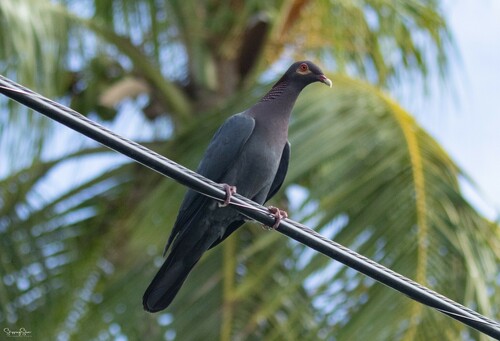 Antillentaube
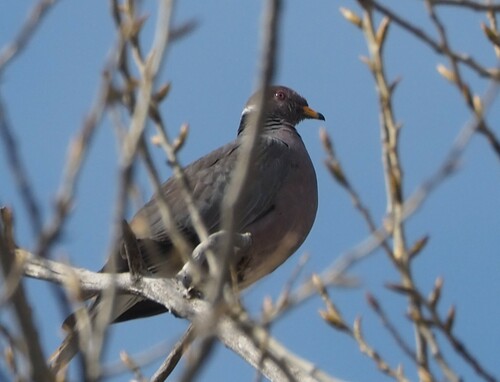 Bandtaube
Kurz gesagt
Das zuverlässigste Feldmerkmal zur Unterscheidung der Antillentaube von der Bandtaube ist das Vorhandensein eines dünnen weißen Kragens am Nacken der adulten Bandtaube, den die Antillentaube niemals zeigt. Im Flug oder sitzend zeigt die Bandtaube auch eine auffällige helle Schwanzspitze mit einem dunklen subterminalen Band, während der Schwanz der Antillentaube gleichmäßig dunkel ist. Juvenile Bandtauben können oben schuppig erscheinen, haben jedoch nicht den weißen Kragen und die Nackenirideszenz, was sie potenziell mit der Antillentaube verwechseln könnte, obwohl das Schwanzmuster und die Farbe des Schnabels und der Beine weiterhin helfen. Beide sind große, graue Tauben, aber Details der nackten Hautfarbe, des Schnabels und subtiler Gefiederfarben sind entscheidend bei Nahansichten. Lebensraum und Verbreitung sind ebenfalls starke Hinweise: Die Antillentaube ist karibisch, die Bandtaube ist kontinental in Amerika.
Bestimmungstipps
- Weißer Nackenkragen (nur adulte Bandtaube): Achten Sie auf ein dünnes, scharfes weißes Band am Nacken – diagnostisch für die adulte Bandtaube und niemals bei der Antillentaube vorhanden. Bei schwachem Licht oder bei Juvenilen kann dieses Merkmal fehlen oder schwer zu sehen sein.
- Schwanzmuster im Flug oder sitzend: Die Bandtaube zeigt eine hellgraue Schwanzspitze mit einem kontrastierenden dunklen subterminalen Band; der Schwanz der Antillentaube ist gleichmäßig dunkel. Dieses Merkmal ist in allen Altersgruppen sichtbar und besonders im Flug nützlich.
- Halsfarbe: Die Antillentaube hat einen kastanienbraunen oder rötlichen Hals mit schuppigem Aussehen am Nacken; die Bandtaube hat eine purpur-graue Brust und grüne Irideszenz am Hals (Erwachsene), jedoch nicht den kastanienbraunen Farbton oder die schuppige Textur.
- Nackte Haut um das Auge: Die Antillentaube zeigt einen nackten Fleck um das Auge, rötlich bei Männchen und gelber bei Weibchen; die Bandtaube hat dieses Merkmal nicht und hat stattdessen ein sauberes, gefiedertes Gesicht.
- Schnabel- und Beinfarbe: Die Bandtaube hat einen gelben Schnabel und gelbe Füße (die nördliche Gruppe kann eine schwarze Spitze am Schnabel haben); die Antillentaube hat eine rote Basis am Schnabel mit einer hellen Spitze und rote Beine.
- Verwirrung bei Juvenilen: Juvenile Bandtauben können oben schuppig aussehen, haben jedoch immer nicht den weißen Kragen und zeigen die helle Schwanzspitze mit dunklem Band; Juvenile Antillentauben ähneln Erwachsenen und zeigen niemals das Schwanzmuster oder den weißen Kragen.
- Allgemeiner Gefiederfarbton: Die Antillentaube ist schiefergrau mit einem kastanienbraunen Hals, während die Bandtaube grau mit einem schwachen rosa oder purpurfarbenen Schimmer auf der Brust (insbesondere bei Männchen) und einem fast weißen Bauch ist.
- Größe und Struktur: Beide sind große, robuste Tauben. Die Bandtaube kann etwas längerflügelt und länger geschwänzt erscheinen, aber dies ist subtil und nicht allein zuverlässig.
- Lebensraum und Verbreitung: Die Antillentaube ist karibisch; die Bandtaube ist kontinental in Amerika. Wenn sie außerhalb des erwarteten Verbreitungsgebiets gesehen wird, überdenken Sie die ID.
- Gruppenverhalten: Die Bandtaube kann größere Schwärme bilden, insbesondere an Futterstellen oder Mineralquellen; die Antillentaube ist häufiger allein oder in kleinen Gruppen.
- Schnabelform und Dicke: Beide haben robuste Schnäbel, aber der Schnabel der Bandtaube ist dicker und offensichtlicher gelb.
- Unterkörperfarbe: Die Bandtaube zeigt einen fast weißen Bauch, der sich von der rosa Brust abhebt; die Antillentaube ist unten gleichmäßiger dunkel.
- Geschlechtsunterschiede: Weibliche Antillentauben können mehr gelbliche nackte Haut um das Auge haben, aber dies ist subtil und nicht immer sichtbar.
- Flugstil: Beide sind starke Flieger, aber die Bandtaube kann längerflügelt und luftiger erscheinen; dies ist ein geringfügiger Punkt im Vergleich zu den Gefiedermerkmalen.
- Mischung mit anderen Arten: Die Antillentaube kann sich in der Karibik mit der Felsentaube, Ohrflecktaube oder Liebestaube mischen, aber die Bandtaube ist normalerweise mit ihrer eigenen Art oder anderen kontinentalen Tauben zusammen.
Größe
Beide Arten gehören zu den größten Tauben in ihren jeweiligen Verbreitungsgebieten und sind in ihrem Gesamtvolumen ähnlich. Die Antillentaube wiegt durchschnittlich etwa 312 g [wikidata], während die Bandtaube zwischen 226 und 460 g wiegt, mit einigen Überschneidungen, aber die Bandtaube potenziell schwerer am oberen Ende [wikipedia]. Beide sind 33–40 cm (13–16 Zoll) lang, sodass die Größe allein kein zuverlässiger Trennfaktor im Feld ist. Beide wirken groß und robust, obwohl die Bandtaube im Flug etwas längerflügelt und länger geschwänzt erscheinen kann.
Gefieder
-
Juvenile: Juvenile Bandtauben haben helle Federkanten oben, die ein schuppiges Aussehen verleihen, das an die Antillentaube erinnern kann. Allerdings fehlt es Juvenilen an dem weißen Nackenkragen und der grünen Nackenirideszenz der Erwachsenen und sie zeigen weiterhin die helle Schwanzspitze mit einem dunklen Band. Juvenile Antillentauben ähneln Erwachsenen, zeigen jedoch immer nicht den weißen Kragen und haben einen gleichmäßig dunklen Schwanz.
-
Erwachsene: Erwachsene Bandtauben sind überwiegend grau mit einem schwachen rosa Schimmer auf der Brust (insbesondere bei Männchen), einem dünnen weißen Nackenkragen, grüner Irideszenz am Hals und einer hellen Schwanzspitze mit einem dunklen subterminalen Band. Antillentauben sind schiefergrau mit einem kastanienbraunen Hals, schuppigem Nacken und gleichmäßig dunklem Schwanz. Die nackte Haut um das Auge ist bei Männchen rötlich und bei Weibchen gelber für die Antillentaube, während die Bandtaube einen gelben Schnabel und Füße hat. Die Antillentaube zeigt rote Beine und die Basis des Schnabels, mit einer hellen Schnabelspitze.
Verhalten
Beide Arten sind misstrauisch und fliegen oft auf, wenn sie sich nähern. Antillentauben werden normalerweise allein oder in kleinen Gruppen gesehen, manchmal mischen sie sich mit anderen Tauben. Bandtauben können kleine Schwärme bilden, insbesondere an Futterstellen, und können in lockeren Kolonien nisten. Beide fressen in Bäumen und am Boden, aber die Bandtaube wird während der Migration oder an Mineralquellen eher in größeren Schwärmen gesehen.
Lebensraum
Die Antillentaube ist in der gesamten Karibik verbreitet, insbesondere in den Großen und Kleinen Antillen, und bevorzugt Regenwälder, kommt aber auch in trockeneren Wäldern und in der Nähe von Siedlungen vor. Die Bandtaube hat ein weites Verbreitungsgebiet in Amerika, von Nordamerika im Westen über Mittelamerika bis in die Anden, und bevorzugt Wälder mit reichlich Früchten oder Eicheln. Die Bandtaube ist in der Karibik nicht vorhanden. Wenn Sie sich in der Karibik befinden, ist die Bandtaube äußerst unwahrscheinlich; wenn Sie sich in Nord- oder Südamerika auf dem Kontinent befinden, wird die Antillentaube nicht erwartet.