

Motmot

Yellow-footed Gull vs Kelp Gull

Larus livens versus Larus dominicanus

Play a quiz with Yellow-footed Gull and Kelp Gull
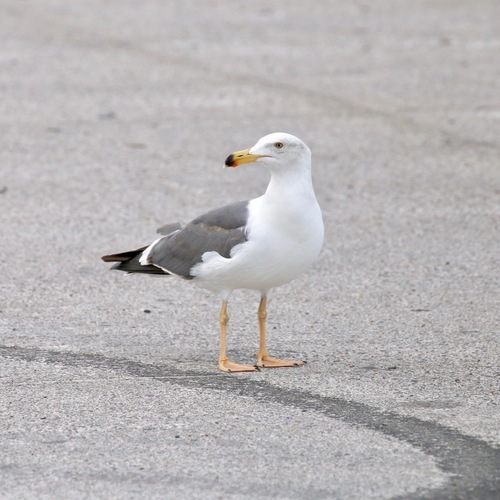
Yellow-footed Gull (Larus livens) Yellow-footed Gull
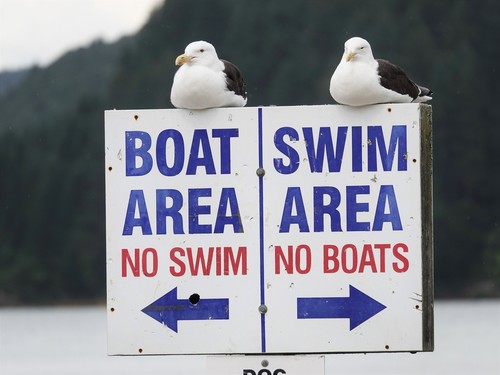
Kelp Gull (Larus dominicanus) Kelp Gull

Media

Loading…

In short

The most reliable field mark between Yellow-footed Gull and Kelp Gull is leg color in adults: Yellow-footed Gull has consistently bright yellow legs, while adult Kelp Gulls show greenish-yellow legs that can appear duller and greener outside the breeding season. Juveniles of both species have duller, pinkish or non-yellow legs, so leg color is less reliable for immatures. Both are large, dark-backed gulls with white heads and underparts, but Yellow-footed Gull is bulkier and more robust overall. In flight or at rest, carefully check leg color, bill thickness, and overall size, but be aware that immature birds can be especially tricky. Range is a strong clue: Yellow-footed Gull is endemic to the Gulf of California, while Kelp Gull is a widespread Southern Hemisphere species.

Identification tips

  1. Adult leg color is the most reliable field mark: Yellow-footed Gull has bright yellow legs year-round; Kelp Gull has greenish-yellow legs, which may look yellower in breeding season but are usually duller and greener.
  2. Immature leg color is less useful: Both species' juveniles have dull or pinkish legs; Yellow-footed Gull first-winter birds often show pink legs, while Kelp Gull juveniles have dull, non-yellow legs.
  3. Bill structure: Yellow-footed Gull has a thicker, heavier bill compared to the slightly slimmer bill of Kelp Gull. This is best judged in direct comparison or with experience.
  4. Overall size and bulk: Yellow-footed Gull is heavier and bulkier, with a thicker neck and more robust build. Kelp Gull is intermediate in size and appears a bit more slender. Use with caution due to overlap.
  5. Adult mantle color: Both have dark slate to blackish mantles, not reliably separable in the field.
  6. Eye color: Kelp Gull (nominate) usually has a pale eye; Cape Gull subspecies has a dark eye. Yellow-footed Gull's eye color is not distinctive in the notes.
  7. Juvenile/immature plumage: Both species have similar brownish, streaked plumage with dark tail bands and black bills. No distinctive upperwing pattern is noted for either in the sources, so do not rely on flight pattern for immatures.
  8. Bill color in juveniles: Both have black bills when young, with Kelp Gull developing a pale base as it matures.
  9. Geographic location: If seen in the Gulf of California, consider Yellow-footed Gull; elsewhere in the Southern Hemisphere, Kelp Gull is far more likely.
  10. Subspecies confusion: The Cape Gull (African Kelp Gull) has a darker iris and a more angular head, but young Cape Gulls look almost identical to other Kelp Gulls.
  11. Voice: Kelp Gull's 'ki-och' call is not distinctive enough to separate from Yellow-footed Gull, which lacks a described call in the notes.
  12. Habitat overlap is minimal: Use range as a strong clue; outside the Gulf of California, Yellow-footed Gull is extremely unlikely.
  13. Plumage maturation: Both species take three to four years to reach adult plumage, so expect a range of intermediate appearances in subadults.
  14. Red spot on bill: Both adults have a yellow bill with a red spot; this is not a useful separation mark.
  15. Do not rely on subtle mantle shade or primary pattern: No unique upperwing or primary pattern is described for either species in the notes.

Size

Yellow-footed Gull is significantly heavier and bulkier than Kelp Gull, with an average body mass of 1322 g compared to 941 g for Kelp Gull [wikidata]. Yellow-footed Gull also has a longer wing chord (40–46 cm vs. 37.3–44.8 cm), a thicker bill (5.0–6.2 cm vs. 4.4–5.9 cm), and a slightly longer tarsus (5.9–7.5 cm vs. 5.3–7.5 cm). In the field, Yellow-footed Gull often looks more robust and heavyset, with a thicker neck and bill, while Kelp Gull is intermediate in size between Lesser and Great Black-backed Gulls and appears a bit more slender. However, there is overlap, so size alone is not always diagnostic.

Plumage

Juvenile and immature plumage is similar in both species: both have dull legs, dark bills, and overall grey-brown upperparts with whitish edging, as well as a dark tail band. Yellow-footed Gull first-winter birds have pink legs, closely resembling Western Gull immatures, while Kelp Gull juveniles have dull legs (not specifically pink) and a black bill. Both species take three to four years to reach adult plumage, with gradual whitening of the head and underparts and yellowing of the bill. Adults of both species have dark slate or blackish upperparts and wings, white heads and underparts, and yellow bills with a red spot. The key difference is leg color: adult Yellow-footed Gull has bright yellow legs, while adult Kelp Gull's legs are greenish-yellow (more yellow in breeding season, duller and greener otherwise). Kelp Gull may also show a slightly paler eye (except in the Cape Gull subspecies, which has a dark eye). Subtle differences in mantle shade are not reliable in the field.

Behaviour

Both species are typical large gulls, often seen loafing on beaches, islands, or coastal structures. Yellow-footed Gull, being more robust, may appear more dominant and less agile than Kelp Gull, but behavioral differences are subtle and not typically diagnostic in the field. Both scavenge and forage in similar ways.

Habitat

Yellow-footed Gull is strictly endemic to the Gulf of California, rarely straying far from this region. Kelp Gull is widespread along coasts and islands throughout the Southern Hemisphere, including South America, southern Africa, Australia, and New Zealand. If seen outside the Gulf of California, a large dark-backed gull is almost certainly a Kelp Gull. Overlap is extremely unlikely except in captivity or vagrancy.

Voice

Kelp Gull has a strident 'ki-och' call. There is no distinctive vocalization described for Yellow-footed Gull in the provided notes, and voice is not a reliable separation feature between these two species in the field.

Submit a better description

Use the same sections as the comparison. Your text is published immediately.

The most reliable field mark between Yellow-footed Gull and Kelp Gull is leg color in adults: Yellow-footed Gull has consistently bright yellow legs, while adult Kelp Gulls show greenish-yellow legs that can appear duller and greener outside the breeding season. Juveniles of both species have duller, pinkish or non-yellow legs, so leg color is less reliable for immatures. Both are large, dark-backed gulls with white heads and underparts, but Yellow-footed Gull is bulkier and more robust overall. In flight or at rest, carefully check leg color, bill thickness, and overall size, but be aware that immature birds can be especially tricky. Range is a strong clue: Yellow-footed Gull is endemic to the Gulf of California, while Kelp Gull is a widespread Southern Hemisphere species.

  1. Adult leg color is the most reliable field mark: Yellow-footed Gull has bright yellow legs year-round; Kelp Gull has greenish-yellow legs, which may look yellower in breeding season but are usually duller and greener.
  2. Immature leg color is less useful: Both species' juveniles have dull or pinkish legs; Yellow-footed Gull first-winter birds often show pink legs, while Kelp Gull juveniles have dull, non-yellow legs.
  3. Bill structure: Yellow-footed Gull has a thicker, heavier bill compared to the slightly slimmer bill of Kelp Gull. This is best judged in direct comparison or with experience.
  4. Overall size and bulk: Yellow-footed Gull is heavier and bulkier, with a thicker neck and more robust build. Kelp Gull is intermediate in size and appears a bit more slender. Use with caution due to overlap.
  5. Adult mantle color: Both have dark slate to blackish mantles, not reliably separable in the field.
  6. Eye color: Kelp Gull (nominate) usually has a pale eye; Cape Gull subspecies has a dark eye. Yellow-footed Gull's eye color is not distinctive in the notes.
  7. Juvenile/immature plumage: Both species have similar brownish, streaked plumage with dark tail bands and black bills. No distinctive upperwing pattern is noted for either in the sources, so do not rely on flight pattern for immatures.
  8. Bill color in juveniles: Both have black bills when young, with Kelp Gull developing a pale base as it matures.
  9. Geographic location: If seen in the Gulf of California, consider Yellow-footed Gull; elsewhere in the Southern Hemisphere, Kelp Gull is far more likely.
  10. Subspecies confusion: The Cape Gull (African Kelp Gull) has a darker iris and a more angular head, but young Cape Gulls look almost identical to other Kelp Gulls.
  11. Voice: Kelp Gull's 'ki-och' call is not distinctive enough to separate from Yellow-footed Gull, which lacks a described call in the notes.
  12. Habitat overlap is minimal: Use range as a strong clue; outside the Gulf of California, Yellow-footed Gull is extremely unlikely.
  13. Plumage maturation: Both species take three to four years to reach adult plumage, so expect a range of intermediate appearances in subadults.
  14. Red spot on bill: Both adults have a yellow bill with a red spot; this is not a useful separation mark.
  15. Do not rely on subtle mantle shade or primary pattern: No unique upperwing or primary pattern is described for either species in the notes.

Yellow-footed Gull is significantly heavier and bulkier than Kelp Gull, with an average body mass of 1322 g compared to 941 g for Kelp Gull [wikidata]. Yellow-footed Gull also has a longer wing chord (40–46 cm vs. 37.3–44.8 cm), a thicker bill (5.0–6.2 cm vs. 4.4–5.9 cm), and a slightly longer tarsus (5.9–7.5 cm vs. 5.3–7.5 cm). In the field, Yellow-footed Gull often looks more robust and heavyset, with a thicker neck and bill, while Kelp Gull is intermediate in size between Lesser and Great Black-backed Gulls and appears a bit more slender. However, there is overlap, so size alone is not always diagnostic.

Juvenile and immature plumage is similar in both species: both have dull legs, dark bills, and overall grey-brown upperparts with whitish edging, as well as a dark tail band. Yellow-footed Gull first-winter birds have pink legs, closely resembling Western Gull immatures, while Kelp Gull juveniles have dull legs (not specifically pink) and a black bill. Both species take three to four years to reach adult plumage, with gradual whitening of the head and underparts and yellowing of the bill. Adults of both species have dark slate or blackish upperparts and wings, white heads and underparts, and yellow bills with a red spot. The key difference is leg color: adult Yellow-footed Gull has bright yellow legs, while adult Kelp Gull's legs are greenish-yellow (more yellow in breeding season, duller and greener otherwise). Kelp Gull may also show a slightly paler eye (except in the Cape Gull subspecies, which has a dark eye). Subtle differences in mantle shade are not reliable in the field.

Both species are typical large gulls, often seen loafing on beaches, islands, or coastal structures. Yellow-footed Gull, being more robust, may appear more dominant and less agile than Kelp Gull, but behavioral differences are subtle and not typically diagnostic in the field. Both scavenge and forage in similar ways.

Yellow-footed Gull is strictly endemic to the Gulf of California, rarely straying far from this region. Kelp Gull is widespread along coasts and islands throughout the Southern Hemisphere, including South America, southern Africa, Australia, and New Zealand. If seen outside the Gulf of California, a large dark-backed gull is almost certainly a Kelp Gull. Overlap is extremely unlikely except in captivity or vagrancy.

Kelp Gull has a strident 'ki-och' call. There is no distinctive vocalization described for Yellow-footed Gull in the provided notes, and voice is not a reliable separation feature between these two species in the field.

Discard your changes?

You have unsaved edits. If you leave now, those changes will be lost.

Yellow-footed Gull · Kelp Gull · My Tricky Birds