

Western Yellow Wagtail vs Water Pipit
Motacilla flava versus Anthus spinoletta
Play a quiz with Western Yellow Wagtail and Water Pipit
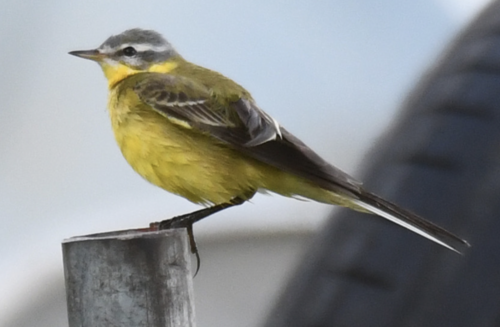 Western Yellow Wagtail
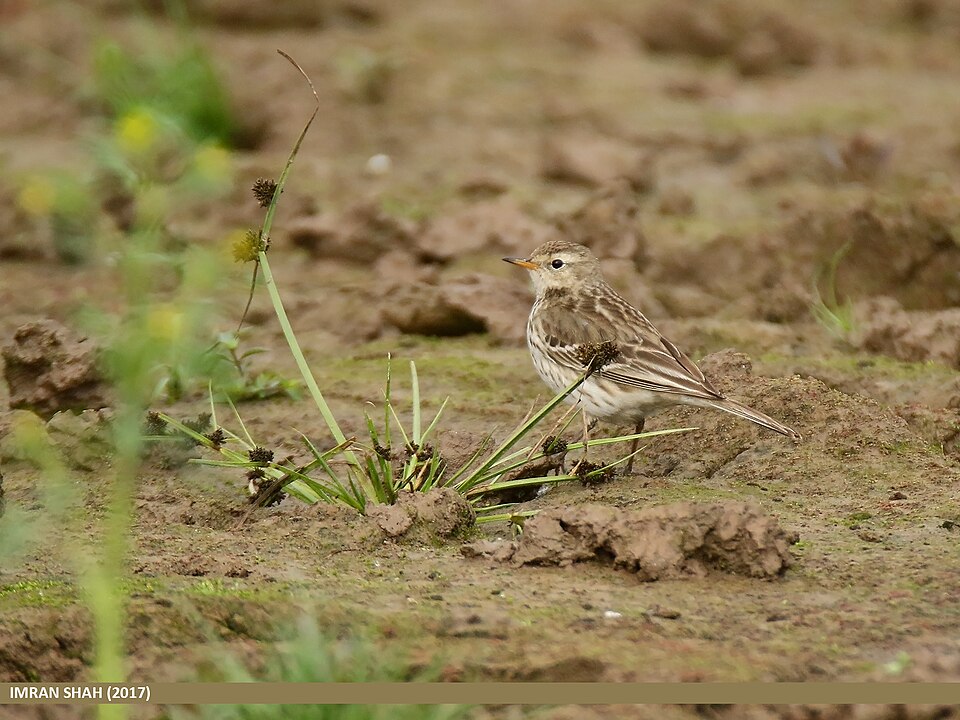 Water Pipit
In short
The most reliable field mark to separate Western Yellow Wagtail from Water Pipit is overall color: wagtails (even dull juveniles) show at least some yellow or olive tones below, while Water Pipit is always buff, pinkish, or white below, never yellow. In flight or perched, wagtails are slimmer and shorter-tailed, with a more delicate, upright jizz, while Water Pipit is bulkier, longer-tailed, and more horizontal. Juvenile and winter birds can cause confusion, but wagtails still lack the strong streaking of young pipits and retain a cleaner, more contrasting look. Both species wag their tails, but wagtails do so more frequently and with a sharper, more vertical motion.
Identification tips
- Yellow tones: Any hint of yellow or olive below, especially on the belly or undertail, points to Western Yellow Wagtail. Water Pipit never shows yellow—its underparts are buff, pinkish, or white.
- Streaking below (juveniles/winter): Juvenile and winter Water Pipits have strong streaks on the breast and flanks; wagtails are much cleaner below, even when pale.
- Supercilium: Water Pipit always shows a strong pale supercilium (especially in breeding plumage); wagtail may have a pale supercilium depending on subspecies, but it is usually less bold and not as broad.
- Tail wagging: Both species wag tails, but wagtail's wag is sharper and more vertical; pipit's is slower and more bobbing.
- Tail pattern in flight: Water Pipit shows white outer tail feathers (sometimes with a greyish tinge in some subspecies), visible in flight or when fanned. Wagtail's tail is darker with less obvious white.
- Structure: Wagtail is slimmer, shorter-tailed, and more upright; Water Pipit is bulkier, longer-tailed, and more horizontal in posture.
- Head pattern: Breeding male wagtails may show blue, black, or white on the head (depending on subspecies), while Water Pipit always has a grey or grey-brown head with a broad supercilium.
- Upperparts: Wagtail is olive or greenish above (breeding), Water Pipit is grey-brown, sometimes with a pink-buff wash below (breeding) or more streaked in winter.
- Leg color: Water Pipit has dark or blackish legs; wagtail's leg color is not specified here, but is usually paler.
- Flight style: Wagtail is lighter, more buoyant in flight; pipit is steadier and more direct.
- Habitat context: In upland or alpine breeding habitat, Water Pipit is much more likely; in lowland wet meadows, both occur in winter, so rely on plumage and structure.
- Voice: Sharp, high 'jeet' call is typical of wagtail; pipit's call is softer and less piercing.
- Sex/age confusion: Females and juveniles of both species are duller, but wagtail never shows strong streaking below or loses all yellow/olive tones.
- Pitfall: Washed-out juvenile wagtails can look pale below, but always lack Water Pipit's bold streaks and broad supercilium.
- When in doubt: Look for yellow or olive tones and check for streaking below—these two marks separate almost all birds in the field.
Size
Both species are similar in length (Western Yellow Wagtail: 15–16 cm [wikipedia]; Water Pipit: 15–17 cm [wikipedia]), but Water Pipit is slightly heavier (18.7–23 g) and appears bulkier, with a longer tail and longer wings. Wagtails are more slender and have the shortest tail among European wagtails, giving them a more delicate appearance compared to the more robust Water Pipit.
Plumage
- Juvenile/First-winter: Juvenile Western Yellow Wagtails are pale below, sometimes nearly whitish, but never show the strong, prominent streaking on the underparts seen in juvenile Water Pipits. Young Water Pipits are browner above and have bold streaks on the breast and flanks, with a strong pale supercilium and white outer tail feathers. Juvenile wagtails may look washed out but remain cleaner and less streaked overall.
- Adult breeding: Male Western Yellow Wagtail is olive above and yellow below (intensity varies by subspecies), with head patterns ranging from blue-grey to black or white, depending on region. Water Pipit in breeding plumage is greyish-brown above, pale pink-buff below fading to whitish, with a broad white supercilium and faint streaking on the breast/flanks. No yellow tones are present.
- Non-breeding/winter: Western Yellow Wagtail becomes paler, sometimes nearly whitish below, but still lacks the strong streaking of Water Pipit. Water Pipit in winter is greyer-brown above, more streaked, and underparts are white with light brown streaks on the breast/flanks. The supercilium is less distinct but still present. Both sexes of Water Pipit are similar, though females may have a greyer head.
- Tail pattern: Water Pipit always shows white outer tail feathers (sometimes with a hint of grey in some subspecies), while wagtail's tail is dark with less obvious white. This is best seen in flight.
Behaviour
Western Yellow Wagtail is more active and agile, often seen running and making sharp, frequent tail wags. It frequently perches upright on low vegetation or on the ground. Water Pipit is more deliberate, walks rather than runs, and has a more horizontal stance. Both species wag their tails, but wagtail's wag is snappier and more vertical, while pipit's is slower and more bobbing. In flight, wagtail appears lighter and more buoyant, while Water Pipit is steadier and more direct.
Habitat
Western Yellow Wagtail prefers open country near water—wet meadows, marshes, and grassy floodplains, often in lowland areas. Water Pipit breeds in mountains and uplands, especially alpine meadows and rocky slopes, but in winter descends to wet open lowlands, including riverbanks and marshes—overlapping with wagtail habitat in winter. Out of breeding season, both can be found in similar wet, open habitats, increasing confusion.
Voice
Western Yellow Wagtail gives a high-pitched, sharp 'jeet' call. Water Pipit’s call is not described in detail here, but pipits generally have softer, less piercing calls than wagtails. If you hear a sharp, high 'jeet', wagtail is more likely, but call is not always diagnostic without experience.