
Motmot

Spruce Grouse vs Least Grebe

Canachites canadensis versus Tachybaptus dominicus

Play a quiz with Spruce Grouse and Least Grebe
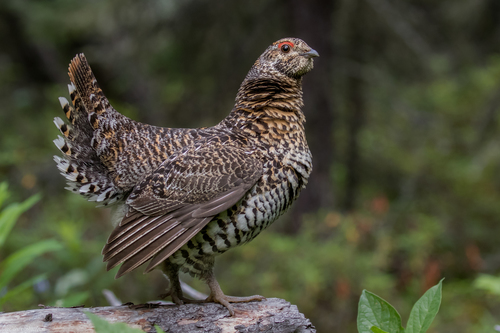
Spruce Grouse (Canachites canadensis) Spruce Grouse
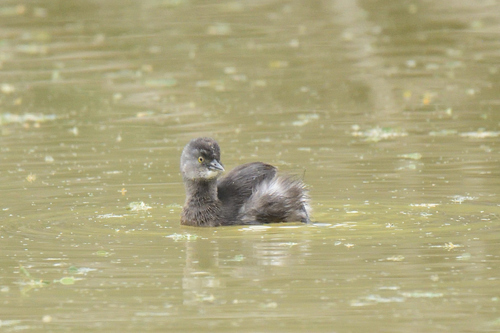
Least Grebe (Tachybaptus dominicus) Least Grebe

Media

Loading…

In short

Spruce Grouse and Least Grebe are extremely unlikely to be confused in the field due to their radically different structure, habitat, and behavior, but confusion can arise in photos or with poor views of immatures. The most reliable separation is structural: Spruce Grouse is a robust, chicken-like terrestrial bird with a short, thick bill, while Least Grebe is a tiny, aquatic diver with a sharp, pointed bill and sits low in the water. In flight, Least Grebe shows a distinct white wing patch (all ages), absent in Spruce Grouse. Female and juvenile Spruce Grouse can be cryptic, but their barred underparts and dark tail with a pale terminal band differ from the grebe's plainer, paler look. Habitat is a strong clue: Spruce Grouse is found in boreal forests, Least Grebe only on water.

Identification tips

  1. Habitat context is decisive: Spruce Grouse is only found in coniferous forests, never on water; Least Grebe is only found on water, never in forest interiors.
  2. Structure: Spruce Grouse is a robust, chicken-shaped bird with a short, thick bill and strong legs; Least Grebe is a small, round-bodied waterbird with a sharp, pointed bill and legs set far back for diving.
  3. Flight pattern: Least Grebe shows a distinct white wing patch in flight at all ages; Spruce Grouse lacks any white in the wings, though some races have more or less white on the underparts.
  4. Tail pattern: Female and juvenile Spruce Grouse have a dark tail with a pale terminal band; Least Grebe's tail is short and not obviously marked, often not visible as it sits low in the water.
  5. Plumage - adult males: Spruce Grouse males are grey above, black below, with white spots on the sides and a red eyebrow comb; Least Grebe is brownish-grey above, darker on the crown and throat, with a yellow eye and no facial comb.
  6. Plumage - females/immatures: Female and juvenile Spruce Grouse are heavily barred and mottled, with dark and white bars below; Least Grebe immatures are smooth, greyish, and paler, lacking barring or heavy spotting.
  7. Bill color and shape: Spruce Grouse has a short, thick, grouse-like bill; Least Grebe has a slender, sharply pointed bill, typical of grebes.
  8. Legs and posture: Spruce Grouse stands upright or perches in trees; Least Grebe sits low in the water, rarely stands or walks, and cannot perch.
  9. Behavior when alarmed: Spruce Grouse may flush with a short, direct flight or climb into trees; Least Grebe dives or swims away, rarely flies unless forced.
  10. Display: Male Spruce Grouse may produce loud wing claps in territorial display; Least Grebe does not display in this way.
  11. Eye color: Least Grebe has a bright yellow eye, visible at close range; Spruce Grouse's eye is dark, with a red comb in males.
  12. Size: Spruce Grouse is much larger and heavier than Least Grebe; even a distant view should suggest the difference if context is known.
  13. Crown feathers: Spruce Grouse does not erect its crown feathers when alarmed (unlike Ruffed Grouse); Least Grebe's crown is smooth and dark.
  14. Vocalizations: Neither species is likely to be identified by voice in the field; Spruce Grouse is nearly silent, Least Grebe's calls are not described here.
  15. Geographic overlap: Spruce Grouse is northern and boreal; Least Grebe is southern, found from the southern US to South America. Overlap is minimal, but vagrants are possible.

Size

Spruce Grouse is much larger and heavier than Least Grebe. Adult Spruce Grouse are 38–43 cm (15–17 in) long and weigh 450–650 g (16–23 oz) [wikipedia], while Least Grebe is only 21–27 cm (8.3–10.6 in) and weighs about 122.5 g on average [wikidata]. Even the smallest Spruce Grouse is more than three times the mass of a Least Grebe. In the field, Spruce Grouse appears as a medium-sized, chunky, chicken-like bird; Least Grebe is a small, round-bodied waterbird, noticeably smaller than any other grebe.

Plumage

Juvenile and adult Least Grebes of all ages show a white wing patch in flight, a key mark not present in Spruce Grouse at any age. Spruce Grouse juveniles and females are mottled brown or grey with barred underparts and a dark tail tipped with a pale band, while Least Grebe immatures are plainer and greyer, with a paler throat and no barring. Adult male Spruce Grouse are mostly grey above and black below with white spots along the sides and a distinctive red eyebrow comb, while adult Least Grebes are brownish-grey above, dark-crowned, and have a yellow eye. Least Grebe lacks any chestnut on the neck, unlike other grebes, but this is not relevant to Spruce Grouse. In summary: Spruce Grouse is heavily barred and spotted, Least Grebe is smooth and dark with a white wing flash in flight.

Behaviour

Spruce Grouse is terrestrial and often perches in conifers, sometimes moving about in trees but mostly foraging on the ground. It is generally silent and may flush with a short, direct flight, sometimes displaying with a loud wing clap (males). Least Grebe is strictly aquatic, rarely seen out of water except at the nest, and is an agile swimmer and diver. It sits low in the water, often submerging or diving when alarmed, and is unable to walk well on land. Their behaviors are so different that seeing one on land or in water is a strong clue.

Habitat

Spruce Grouse is confined to coniferous boreal forests (taiga) of North America, especially spruce-dominated woods. It is never found on open water. Least Grebe inhabits a wide range of freshwater wetlands, ponds, lakes, marshes, and slow-flowing streams, often with dense emergent vegetation. It is never found in forest interiors or away from water. If the bird is in a tree or deep woods, it is Spruce Grouse; if it is swimming or diving, it is Least Grebe.

Voice

Spruce Grouse is among the most silent grouse, rarely vocalizing, but males may produce non-vocal wing claps or soft drumming in displays. Least Grebe's vocalizations are not described in the provided notes, but grebes in general can give soft trills or whinnies, especially at the nest. In practice, neither species is likely to be identified by voice alone in the field.

Submit a better description

Use the same sections as the comparison. Your text is published immediately.

Spruce Grouse and Least Grebe are extremely unlikely to be confused in the field due to their radically different structure, habitat, and behavior, but confusion can arise in photos or with poor views of immatures. The most reliable separation is structural: Spruce Grouse is a robust, chicken-like terrestrial bird with a short, thick bill, while Least Grebe is a tiny, aquatic diver with a sharp, pointed bill and sits low in the water. In flight, Least Grebe shows a distinct white wing patch (all ages), absent in Spruce Grouse. Female and juvenile Spruce Grouse can be cryptic, but their barred underparts and dark tail with a pale terminal band differ from the grebe's plainer, paler look. Habitat is a strong clue: Spruce Grouse is found in boreal forests, Least Grebe only on water.

  1. Habitat context is decisive: Spruce Grouse is only found in coniferous forests, never on water; Least Grebe is only found on water, never in forest interiors.
  2. Structure: Spruce Grouse is a robust, chicken-shaped bird with a short, thick bill and strong legs; Least Grebe is a small, round-bodied waterbird with a sharp, pointed bill and legs set far back for diving.
  3. Flight pattern: Least Grebe shows a distinct white wing patch in flight at all ages; Spruce Grouse lacks any white in the wings, though some races have more or less white on the underparts.
  4. Tail pattern: Female and juvenile Spruce Grouse have a dark tail with a pale terminal band; Least Grebe's tail is short and not obviously marked, often not visible as it sits low in the water.
  5. Plumage - adult males: Spruce Grouse males are grey above, black below, with white spots on the sides and a red eyebrow comb; Least Grebe is brownish-grey above, darker on the crown and throat, with a yellow eye and no facial comb.
  6. Plumage - females/immatures: Female and juvenile Spruce Grouse are heavily barred and mottled, with dark and white bars below; Least Grebe immatures are smooth, greyish, and paler, lacking barring or heavy spotting.
  7. Bill color and shape: Spruce Grouse has a short, thick, grouse-like bill; Least Grebe has a slender, sharply pointed bill, typical of grebes.
  8. Legs and posture: Spruce Grouse stands upright or perches in trees; Least Grebe sits low in the water, rarely stands or walks, and cannot perch.
  9. Behavior when alarmed: Spruce Grouse may flush with a short, direct flight or climb into trees; Least Grebe dives or swims away, rarely flies unless forced.
  10. Display: Male Spruce Grouse may produce loud wing claps in territorial display; Least Grebe does not display in this way.
  11. Eye color: Least Grebe has a bright yellow eye, visible at close range; Spruce Grouse's eye is dark, with a red comb in males.
  12. Size: Spruce Grouse is much larger and heavier than Least Grebe; even a distant view should suggest the difference if context is known.
  13. Crown feathers: Spruce Grouse does not erect its crown feathers when alarmed (unlike Ruffed Grouse); Least Grebe's crown is smooth and dark.
  14. Vocalizations: Neither species is likely to be identified by voice in the field; Spruce Grouse is nearly silent, Least Grebe's calls are not described here.
  15. Geographic overlap: Spruce Grouse is northern and boreal; Least Grebe is southern, found from the southern US to South America. Overlap is minimal, but vagrants are possible.

Spruce Grouse is much larger and heavier than Least Grebe. Adult Spruce Grouse are 38–43 cm (15–17 in) long and weigh 450–650 g (16–23 oz) [wikipedia], while Least Grebe is only 21–27 cm (8.3–10.6 in) and weighs about 122.5 g on average [wikidata]. Even the smallest Spruce Grouse is more than three times the mass of a Least Grebe. In the field, Spruce Grouse appears as a medium-sized, chunky, chicken-like bird; Least Grebe is a small, round-bodied waterbird, noticeably smaller than any other grebe.

Juvenile and adult Least Grebes of all ages show a white wing patch in flight, a key mark not present in Spruce Grouse at any age. Spruce Grouse juveniles and females are mottled brown or grey with barred underparts and a dark tail tipped with a pale band, while Least Grebe immatures are plainer and greyer, with a paler throat and no barring. Adult male Spruce Grouse are mostly grey above and black below with white spots along the sides and a distinctive red eyebrow comb, while adult Least Grebes are brownish-grey above, dark-crowned, and have a yellow eye. Least Grebe lacks any chestnut on the neck, unlike other grebes, but this is not relevant to Spruce Grouse. In summary: Spruce Grouse is heavily barred and spotted, Least Grebe is smooth and dark with a white wing flash in flight.

Spruce Grouse is terrestrial and often perches in conifers, sometimes moving about in trees but mostly foraging on the ground. It is generally silent and may flush with a short, direct flight, sometimes displaying with a loud wing clap (males). Least Grebe is strictly aquatic, rarely seen out of water except at the nest, and is an agile swimmer and diver. It sits low in the water, often submerging or diving when alarmed, and is unable to walk well on land. Their behaviors are so different that seeing one on land or in water is a strong clue.

Spruce Grouse is confined to coniferous boreal forests (taiga) of North America, especially spruce-dominated woods. It is never found on open water. Least Grebe inhabits a wide range of freshwater wetlands, ponds, lakes, marshes, and slow-flowing streams, often with dense emergent vegetation. It is never found in forest interiors or away from water. If the bird is in a tree or deep woods, it is Spruce Grouse; if it is swimming or diving, it is Least Grebe.

Spruce Grouse is among the most silent grouse, rarely vocalizing, but males may produce non-vocal wing claps or soft drumming in displays. Least Grebe's vocalizations are not described in the provided notes, but grebes in general can give soft trills or whinnies, especially at the nest. In practice, neither species is likely to be identified by voice alone in the field.

Discard your changes?

You have unsaved edits. If you leave now, those changes will be lost.

Spruce Grouse · Least Grebe · My Tricky Birds