

Motmot

Rufous-crowned Prinia vs Hill Prinia

Prinia khasiana versus Prinia superciliaris

Play a quiz with Rufous-crowned Prinia and Hill Prinia
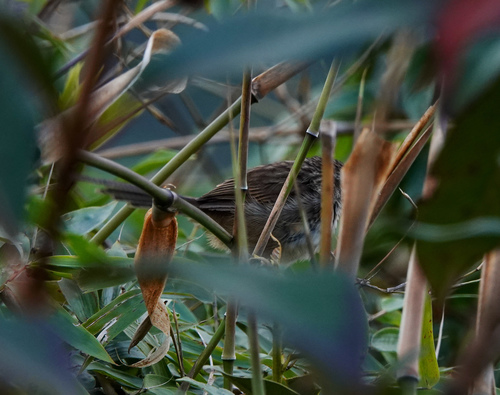
Rufous-crowned Prinia (Prinia khasiana) Rufous-crowned Prinia
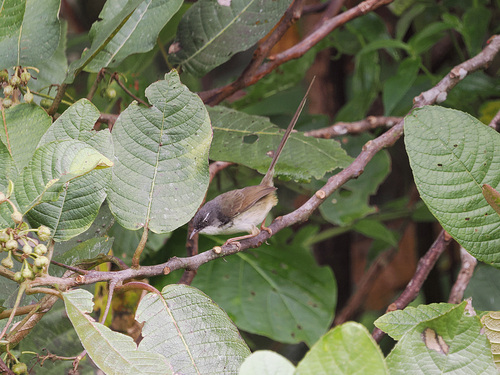
Hill Prinia (Prinia superciliaris) Hill Prinia

Media

Loading…

In short

Distinguishing Rufous-crowned Prinia from Hill Prinia in the field is challenging due to their similar overall structure and subtle plumage differences, especially in adult birds. The most reliable separation is geographic: Rufous-crowned Prinia is restricted to the Eastern Himalaya, while Hill Prinia ranges widely across Southeast Asia and southern China. In areas of potential overlap (northeast India), careful attention to head coloration and supercilium is key. Both species are small, active warblers with similar habits, so focus on subtle plumage contrasts and range context.

Identification tips

  1. Geographic range is the strongest separator: Rufous-crowned Prinia is only found in the Eastern Himalaya; Hill Prinia occurs widely across Southeast Asia and southern China. If you are outside the Eastern Himalaya, you almost certainly have Hill Prinia.
  2. Head pattern: Look for a distinct rufous (reddish-brown) crown on Rufous-crowned Prinia. This is usually absent or much duller in Hill Prinia, which instead shows a more prominent pale supercilium (eyebrow).
  3. Supercilium: Hill Prinia often has a stronger, more obvious pale supercilium, giving the face a more patterned look. Rufous-crowned Prinia's supercilium is less striking, and the rufous crown draws more attention.
  4. Crown color: In good light, the rufous crown of Rufous-crowned Prinia is a key mark. If the crown appears plain brown or lacks a reddish tone, consider Hill Prinia, especially if the supercilium is strong.
  5. Juvenile and worn birds: These marks may be less obvious in young or worn birds. In such cases, rely more heavily on range and habitat.
  6. Plumage elsewhere: No reliable differences in wing or tail pattern are documented for these two species; both are typical brownish prinias with pale underparts.
  7. Size and structure: Both species are similar in size and shape, with no practical difference in the field.
  8. Behavior: Both are active, tail-cocking warblers; behavior does not help separate them.
  9. Habitat: In the Eastern Himalaya, check for both species in shrubby or grassy areas. Elsewhere, Hill Prinia is the default.
  10. Voice: No distinguishing vocal differences are described in the available sources; do not rely on song or call for separation.
  11. Pitfalls: Do not confuse the rufous crown of Rufous-crowned Prinia with a sunlit brown crown on Hill Prinia—look for a true reddish tone.
  12. Overlap zones: In northeast India and adjacent areas, both species could occur. Use a combination of head pattern and range.
  13. Sex and season: No documented sexual or seasonal plumage differences that aid separation.
  14. Direct comparison: If you see both species together, the rufous crown and weaker supercilium of Rufous-crowned Prinia should stand out against the more patterned face of Hill Prinia.
  15. When in doubt: If the head pattern is ambiguous and you are outside the Eastern Himalaya, default to Hill Prinia.

Size

Both Rufous-crowned Prinia and Hill Prinia are small, slender warblers typical of the genus Prinia. Available sources do not provide distinguishing measurements for length or mass between these two species, and in the field, their size is virtually indistinguishable with binoculars.

Plumage

No detailed age-specific wing or flight pattern differences are described for either species in the available sources. For perched birds, the best mark is the head: Rufous-crowned Prinia shows a distinct rufous (reddish-brown) crown, which is usually absent or much less pronounced in Hill Prinia. Hill Prinia often shows a more prominent pale supercilium (eyebrow) and less rufous on the crown, giving the head a more contrasting, patterned look. These differences are most apparent in adults and may be less clear in juveniles or worn birds. Without direct comparison, these marks can be subtle, so use range and context to support your identification.

Behaviour

Both species are active, restless insectivores, typically seen flitting through low shrubs and grass, often with cocked tails. Their general behavior and 'jizz' are very similar, and behavior alone is not a reliable separator.

Habitat

Rufous-crowned Prinia is native to the Eastern Himalaya, favoring hill and foothill scrub, while Hill Prinia is found across a much broader range in southern and eastern Asia, including China, Southeast Asia, and parts of the Indian subcontinent. In the field, if you are outside the Eastern Himalaya, Hill Prinia is far more likely. In areas of overlap, both may be found in similar shrubby or grassy habitats.

Submit a better description

Use the same sections as the comparison. Your text is published immediately.

Distinguishing Rufous-crowned Prinia from Hill Prinia in the field is challenging due to their similar overall structure and subtle plumage differences, especially in adult birds. The most reliable separation is geographic: Rufous-crowned Prinia is restricted to the Eastern Himalaya, while Hill Prinia ranges widely across Southeast Asia and southern China. In areas of potential overlap (northeast India), careful attention to head coloration and supercilium is key. Both species are small, active warblers with similar habits, so focus on subtle plumage contrasts and range context.

  1. Geographic range is the strongest separator: Rufous-crowned Prinia is only found in the Eastern Himalaya; Hill Prinia occurs widely across Southeast Asia and southern China. If you are outside the Eastern Himalaya, you almost certainly have Hill Prinia.
  2. Head pattern: Look for a distinct rufous (reddish-brown) crown on Rufous-crowned Prinia. This is usually absent or much duller in Hill Prinia, which instead shows a more prominent pale supercilium (eyebrow).
  3. Supercilium: Hill Prinia often has a stronger, more obvious pale supercilium, giving the face a more patterned look. Rufous-crowned Prinia's supercilium is less striking, and the rufous crown draws more attention.
  4. Crown color: In good light, the rufous crown of Rufous-crowned Prinia is a key mark. If the crown appears plain brown or lacks a reddish tone, consider Hill Prinia, especially if the supercilium is strong.
  5. Juvenile and worn birds: These marks may be less obvious in young or worn birds. In such cases, rely more heavily on range and habitat.
  6. Plumage elsewhere: No reliable differences in wing or tail pattern are documented for these two species; both are typical brownish prinias with pale underparts.
  7. Size and structure: Both species are similar in size and shape, with no practical difference in the field.
  8. Behavior: Both are active, tail-cocking warblers; behavior does not help separate them.
  9. Habitat: In the Eastern Himalaya, check for both species in shrubby or grassy areas. Elsewhere, Hill Prinia is the default.
  10. Voice: No distinguishing vocal differences are described in the available sources; do not rely on song or call for separation.
  11. Pitfalls: Do not confuse the rufous crown of Rufous-crowned Prinia with a sunlit brown crown on Hill Prinia—look for a true reddish tone.
  12. Overlap zones: In northeast India and adjacent areas, both species could occur. Use a combination of head pattern and range.
  13. Sex and season: No documented sexual or seasonal plumage differences that aid separation.
  14. Direct comparison: If you see both species together, the rufous crown and weaker supercilium of Rufous-crowned Prinia should stand out against the more patterned face of Hill Prinia.
  15. When in doubt: If the head pattern is ambiguous and you are outside the Eastern Himalaya, default to Hill Prinia.

Both Rufous-crowned Prinia and Hill Prinia are small, slender warblers typical of the genus Prinia. Available sources do not provide distinguishing measurements for length or mass between these two species, and in the field, their size is virtually indistinguishable with binoculars.

No detailed age-specific wing or flight pattern differences are described for either species in the available sources. For perched birds, the best mark is the head: Rufous-crowned Prinia shows a distinct rufous (reddish-brown) crown, which is usually absent or much less pronounced in Hill Prinia. Hill Prinia often shows a more prominent pale supercilium (eyebrow) and less rufous on the crown, giving the head a more contrasting, patterned look. These differences are most apparent in adults and may be less clear in juveniles or worn birds. Without direct comparison, these marks can be subtle, so use range and context to support your identification.

Both species are active, restless insectivores, typically seen flitting through low shrubs and grass, often with cocked tails. Their general behavior and 'jizz' are very similar, and behavior alone is not a reliable separator.

Rufous-crowned Prinia is native to the Eastern Himalaya, favoring hill and foothill scrub, while Hill Prinia is found across a much broader range in southern and eastern Asia, including China, Southeast Asia, and parts of the Indian subcontinent. In the field, if you are outside the Eastern Himalaya, Hill Prinia is far more likely. In areas of overlap, both may be found in similar shrubby or grassy habitats.

Discard your changes?

You have unsaved edits. If you leave now, those changes will be lost.

Rufous-crowned Prinia · Hill Prinia · My Tricky Birds