
Motmot

Red-breasted Flycatcher vs Semicollared Flycatcher

Ficedula parva versus Ficedula semitorquata

Play a quiz with Red-breasted Flycatcher and Semicollared Flycatcher
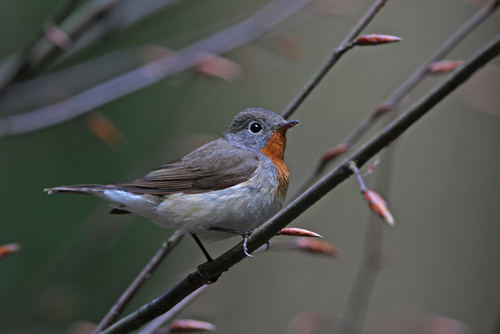
Red-breasted Flycatcher (Ficedula parva) Red-breasted Flycatcher
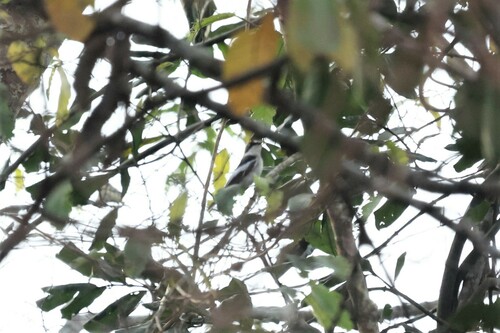
Semicollared Flycatcher (Ficedula semitorquata) Semicollared Flycatcher

Media

Loading…

In short

The most reliable field mark to separate Red-breasted Flycatcher from Semicollared Flycatcher is the overall plumage tone and throat color in adults: Red-breasted males show a distinctive orange throat patch on a grey head with muted brown upperparts, while Semicollared males are sharply black-and-white with a clear white half-collar and large white wing patch. Immature and female birds of both species are trickier, but Red-breasted Flycatcher is always smaller, has a more delicate bill with a pale pinkish base, and never shows the bold white wing panel or half-collar of Semicollared. In flight, Semicollared shows more extensive white in the tail and a white bar on the median coverts, which is usually absent or much less obvious in Red-breasted. Habitat and range overlap little, but vagrants can occur. Always check for the combination of throat color, wing and tail pattern, and overall size and structure.

Identification tips

  1. Adult male plumage: Red-breasted has a muted brown back, grey head, and a distinctive orange throat patch; Semicollared is sharply black-and-white with a white half-collar, large white wing patch, and white forehead patch. This contrast is most obvious in spring and early summer.
  2. Female and immature plumage: Red-breasted is always soft brown above with a clear white eyering, lacking bold white wing markings. Semicollared females and immatures are pale brown but often show a white bar on the median coverts and more extensive white in the tail sides; check for these in perched and flight views.
  3. Wing pattern in flight (all ages): Semicollared shows a prominent white wing patch and a white bar on the median coverts, especially in first-winter and female-type birds; Red-breasted lacks these, with only faint pale edges at most.
  4. Tail pattern: Red-breasted has a black tail with white only at the base of the outer feathers (wheatear-like); Semicollared has more extensive white on the tail sides, which is visible in flight and when fanned.
  5. Eyering: Red-breasted always shows a strong white eyering in all plumages; Semicollared may have a less obvious eyering, especially in males.
  6. Bill color and shape: Red-breasted has a finer bill with a pale pinkish base; Semicollared's bill is all black and slightly stouter.
  7. Size and structure: Red-breasted is smaller and more delicate, with a shorter tail and finer bill; Semicollared is bulkier and intermediate in size between Collared and Pied Flycatchers.
  8. Rump color: Semicollared may show a pale grey rump, especially in males; Red-breasted never does.
  9. Throat color (females/immatures): Red-breasted females and immatures have a plain pale throat, never showing the half-collar or orange of adult males; Semicollared females may have a faint half-collar or at least a paler area below the ear coverts.
  10. Habitat context: Red-breasted is more likely in lowland or mixed woodland, especially as a migrant; Semicollared prefers montane deciduous forests.
  11. Song (breeding males): Red-breasted's song is a sweet, repetitive whistle, less melodious than Pied; Semicollared's song is slower and more strained, intermediate between Collared and Pied. Use only when males are singing.
  12. Behavior: Red-breasted often flicks its tail upwards and drops its wingtips when perched; Semicollared's posture is less distinctive.
  13. Season: Red-breasted is a regular passage migrant in western Europe; Semicollared is a rare vagrant there, so consider likelihood based on date and location.
  14. White on wings and tail (all ages): If you see a bold white wing panel or extensive white in the tail sides, suspect Semicollared; if these are absent and the bird is small and brownish, suspect Red-breasted.
  15. Confusion risk: Immature and female Semicollared can look very similar to Red-breasted, but the white median covert bar and more extensive tail white are the best clues. Always check multiple features before deciding.

Size

Red-breasted Flycatcher is slightly smaller (11–12 cm) than Semicollared Flycatcher (12–13.5 cm) [wikipedia]. In the field, this size difference is subtle but Red-breasted often appears more delicate and compact, with a finer bill and shorter tail. Semicollared is intermediate in size between Collared and Pied Flycatchers, and may appear a bit bulkier than Red-breasted, especially when perched.

Plumage

Juvenile and female-type birds are the main pitfall. Red-breasted Flycatcher of all ages and sexes lacks the bold white wing patch and half-collar of Semicollared. In first-winter and female Semicollared, look for a white bar on the median coverts and more extensive white on the tail sides, which is rarely matched by Red-breasted. Red-breasted always has a clear white eyering and a wheatear-like tail pattern: black with white only at the base of the outer feathers. Adult male Red-breasted is muted brown above, white below, with a grey head and orange throat; females and immatures lack the orange but retain the soft brown tones. Semicollared adult males are strikingly black above, white below, with a large white forehead patch, white half-collar, and a prominent white wing patch. Non-breeding, female, and juvenile Semicollared are pale brown above but still often show the white bar on the median coverts and more white in the tail. The bill base is more extensively pale in Red-breasted. Semicollared may have a pale grey rump, which Red-breasted never shows.

Behaviour

Both species are active aerial insectivores, sallying from perches to catch insects. Red-breasted Flycatcher often flicks its tail upwards and drops its wingtips while perched, and forages by inspecting leaves and trunks, sometimes hovering. Semicollared tends to forage higher in the canopy and is less likely to hunt caterpillars among foliage than Pied Flycatcher, but behavioral differences between these two are subtle and not usually diagnostic in the field.

Habitat

Red-breasted Flycatcher breeds in lowland and foothill forests of eastern Europe and Central Asia, wintering in South Asia. It is a regular passage migrant in parts of western Europe. Semicollared Flycatcher breeds in montane deciduous forests (especially oak and hornbeam) in the Balkans and northwest Iran, wintering in Central and Eastern Africa. Semicollared prefers higher elevations and more mountainous terrain. While vagrants can appear outside these zones, habitat context can help: Red-breasted is more likely in lowland or mixed woodland, Semicollared in montane deciduous forest.

Voice

Red-breasted Flycatcher has a sweet, far-carrying song of repetitive whistles, less melodious than Pied Flycatcher, with a typical chip-chip-chr-rrr call and a short, rattling zrrrt (slower than Taiga Flycatcher). Semicollared Flycatcher's song is intermediate between Collared and Pied Flycatchers, with slow, strained whistles and some rhythmic elements. Calls are not well described for field separation, and both species are mostly silent in winter. Song is best used for males in breeding season and is not a reliable separator in autumn or among silent birds.

Submit a better description

Use the same sections as the comparison. Your text is published immediately.

The most reliable field mark to separate Red-breasted Flycatcher from Semicollared Flycatcher is the overall plumage tone and throat color in adults: Red-breasted males show a distinctive orange throat patch on a grey head with muted brown upperparts, while Semicollared males are sharply black-and-white with a clear white half-collar and large white wing patch. Immature and female birds of both species are trickier, but Red-breasted Flycatcher is always smaller, has a more delicate bill with a pale pinkish base, and never shows the bold white wing panel or half-collar of Semicollared. In flight, Semicollared shows more extensive white in the tail and a white bar on the median coverts, which is usually absent or much less obvious in Red-breasted. Habitat and range overlap little, but vagrants can occur. Always check for the combination of throat color, wing and tail pattern, and overall size and structure.

  1. Adult male plumage: Red-breasted has a muted brown back, grey head, and a distinctive orange throat patch; Semicollared is sharply black-and-white with a white half-collar, large white wing patch, and white forehead patch. This contrast is most obvious in spring and early summer.
  2. Female and immature plumage: Red-breasted is always soft brown above with a clear white eyering, lacking bold white wing markings. Semicollared females and immatures are pale brown but often show a white bar on the median coverts and more extensive white in the tail sides; check for these in perched and flight views.
  3. Wing pattern in flight (all ages): Semicollared shows a prominent white wing patch and a white bar on the median coverts, especially in first-winter and female-type birds; Red-breasted lacks these, with only faint pale edges at most.
  4. Tail pattern: Red-breasted has a black tail with white only at the base of the outer feathers (wheatear-like); Semicollared has more extensive white on the tail sides, which is visible in flight and when fanned.
  5. Eyering: Red-breasted always shows a strong white eyering in all plumages; Semicollared may have a less obvious eyering, especially in males.
  6. Bill color and shape: Red-breasted has a finer bill with a pale pinkish base; Semicollared's bill is all black and slightly stouter.
  7. Size and structure: Red-breasted is smaller and more delicate, with a shorter tail and finer bill; Semicollared is bulkier and intermediate in size between Collared and Pied Flycatchers.
  8. Rump color: Semicollared may show a pale grey rump, especially in males; Red-breasted never does.
  9. Throat color (females/immatures): Red-breasted females and immatures have a plain pale throat, never showing the half-collar or orange of adult males; Semicollared females may have a faint half-collar or at least a paler area below the ear coverts.
  10. Habitat context: Red-breasted is more likely in lowland or mixed woodland, especially as a migrant; Semicollared prefers montane deciduous forests.
  11. Song (breeding males): Red-breasted's song is a sweet, repetitive whistle, less melodious than Pied; Semicollared's song is slower and more strained, intermediate between Collared and Pied. Use only when males are singing.
  12. Behavior: Red-breasted often flicks its tail upwards and drops its wingtips when perched; Semicollared's posture is less distinctive.
  13. Season: Red-breasted is a regular passage migrant in western Europe; Semicollared is a rare vagrant there, so consider likelihood based on date and location.
  14. White on wings and tail (all ages): If you see a bold white wing panel or extensive white in the tail sides, suspect Semicollared; if these are absent and the bird is small and brownish, suspect Red-breasted.
  15. Confusion risk: Immature and female Semicollared can look very similar to Red-breasted, but the white median covert bar and more extensive tail white are the best clues. Always check multiple features before deciding.

Red-breasted Flycatcher is slightly smaller (11–12 cm) than Semicollared Flycatcher (12–13.5 cm) [wikipedia]. In the field, this size difference is subtle but Red-breasted often appears more delicate and compact, with a finer bill and shorter tail. Semicollared is intermediate in size between Collared and Pied Flycatchers, and may appear a bit bulkier than Red-breasted, especially when perched.

Juvenile and female-type birds are the main pitfall. Red-breasted Flycatcher of all ages and sexes lacks the bold white wing patch and half-collar of Semicollared. In first-winter and female Semicollared, look for a white bar on the median coverts and more extensive white on the tail sides, which is rarely matched by Red-breasted. Red-breasted always has a clear white eyering and a wheatear-like tail pattern: black with white only at the base of the outer feathers. Adult male Red-breasted is muted brown above, white below, with a grey head and orange throat; females and immatures lack the orange but retain the soft brown tones. Semicollared adult males are strikingly black above, white below, with a large white forehead patch, white half-collar, and a prominent white wing patch. Non-breeding, female, and juvenile Semicollared are pale brown above but still often show the white bar on the median coverts and more white in the tail. The bill base is more extensively pale in Red-breasted. Semicollared may have a pale grey rump, which Red-breasted never shows.

Both species are active aerial insectivores, sallying from perches to catch insects. Red-breasted Flycatcher often flicks its tail upwards and drops its wingtips while perched, and forages by inspecting leaves and trunks, sometimes hovering. Semicollared tends to forage higher in the canopy and is less likely to hunt caterpillars among foliage than Pied Flycatcher, but behavioral differences between these two are subtle and not usually diagnostic in the field.

Red-breasted Flycatcher breeds in lowland and foothill forests of eastern Europe and Central Asia, wintering in South Asia. It is a regular passage migrant in parts of western Europe. Semicollared Flycatcher breeds in montane deciduous forests (especially oak and hornbeam) in the Balkans and northwest Iran, wintering in Central and Eastern Africa. Semicollared prefers higher elevations and more mountainous terrain. While vagrants can appear outside these zones, habitat context can help: Red-breasted is more likely in lowland or mixed woodland, Semicollared in montane deciduous forest.

Red-breasted Flycatcher has a sweet, far-carrying song of repetitive whistles, less melodious than Pied Flycatcher, with a typical chip-chip-chr-rrr call and a short, rattling zrrrt (slower than Taiga Flycatcher). Semicollared Flycatcher's song is intermediate between Collared and Pied Flycatchers, with slow, strained whistles and some rhythmic elements. Calls are not well described for field separation, and both species are mostly silent in winter. Song is best used for males in breeding season and is not a reliable separator in autumn or among silent birds.

Discard your changes?

You have unsaved edits. If you leave now, those changes will be lost.

Red-breasted Flycatcher · Semicollared Flycatcher · My Tricky Birds