

Motmot

Mexican Duck vs Mottled Duck

Anas diazi versus Anas fulvigula

Play a quiz with Mexican Duck and Mottled Duck
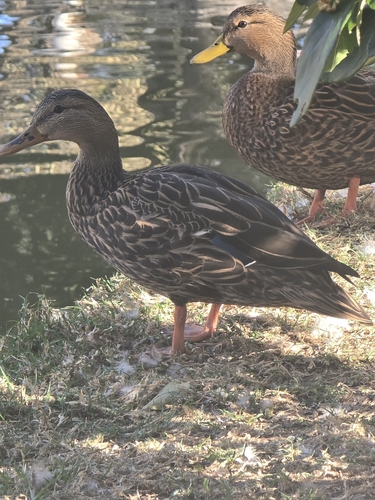
Mexican Duck (Anas diazi) Mexican Duck
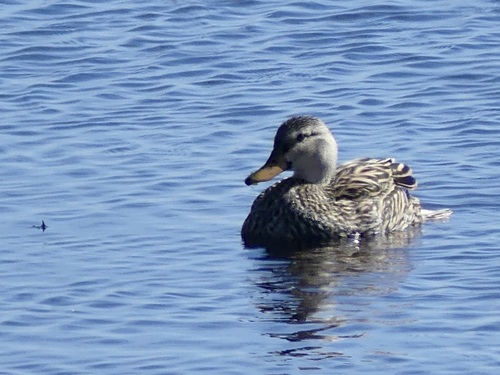
Mottled Duck (Anas fulvigula) Mottled Duck

Media

Loading…

In short

The most reliable field mark to separate Mexican Duck from Mottled Duck in all ages is the color and edging of the speculum (wing patch): Mexican Duck shows a blue speculum bordered with white, while Mottled Duck's speculum is green-blue and lacks any white border. This difference is visible both in flight and at rest, and is especially useful for separating juveniles and females, which otherwise look very similar. Both species are brownish dabbling ducks with yellowish bills in males and more orange or mottled bills in females, but careful attention to the speculum and subtle differences in head and body coloration can help. Habitat can also be a clue, as Mexican Duck is found in the southwestern US and Mexico, while Mottled Duck is a resident of the Gulf Coast and Florida. Size and structure are very similar and not reliable for separation.

Identification tips

  1. Speculum color and edging: Mexican Duck always shows a blue speculum with a white border (both edges), while Mottled Duck's speculum is green-blue and lacks any white border. This is the single most reliable field mark for all ages and sexes, especially in flight or when birds are preening.
  2. Bill color (male): Both species' males have yellow bills, but Mexican Duck's is often brighter. This can help in good light, but is not diagnostic alone.
  3. Bill color (female): Female Mexican Duck has a dull yellow or olive bill; female Mottled Duck has a deep to pale orange bill, often with black splotches, especially near the base and edges. Look for these splotches on close views.
  4. Head and neck color: Mottled Duck tends to have a lighter head and neck compared to its darker body, especially in the Gulf Coast subspecies. Mexican Duck is more uniformly brown overall.
  5. Tail color: Mottled Duck is darker at the tail than Mexican Duck, but this is subtle and may be hard to judge in the field.
  6. Overall darkness: Both are darker than female Mallard, but Mottled Duck can appear slightly darker overall, especially in the Gulf Coast form. This is variable and not always reliable.
  7. Sexual dimorphism: Both species are only weakly sexually dimorphic; males and females are similar except for bill color.
  8. Juvenile/immature plumage: No distinctive juvenile upperwing patterns are described for either species beyond the speculum difference. Use the speculum mark for young birds as well.
  9. Flight views: In flight, focus on the speculum: white-edged blue for Mexican, plain green-blue for Mottled. This is visible even in distant or fast-flying birds.
  10. Perched/preening birds: When birds are at rest or preening, the speculum may be visible; check for the white border (Mexican) or lack thereof (Mottled).
  11. Habitat and range: If you are in the southwestern US or Mexico, Mexican Duck is likely; if you are on the Gulf Coast or in Florida, Mottled Duck is expected. Out-of-range records are rare but possible due to vagrancy or hybridization.
  12. Hybridization: Both species can hybridize with Mallard and American Black Duck, leading to intermediate birds. If a bird shows intermediate features or unusual speculum pattern, consider the possibility of a hybrid.
  13. Voice: Both species sound like Mallards; do not use voice for separation.
  14. Size and structure: Both are similar in size and shape; do not rely on these features for identification.
  15. Pitfalls: Female Mallards can look similar to both, but always have a white-bordered blue speculum. American Black Duck is darker overall and has a more purple speculum (not blue or green-blue).

Size

Both species are medium-sized dabbling ducks with very similar measurements. Mexican Duck is 45–55 cm (17.7–21.6 in) in length and weighs 849–1,243 g (1.87–2.74 lb) [wikipedia]. Mottled Duck is 44–61 cm (17–24 in) in length, with males weighing 880–1,240 g and females 700–1,150 g [wikipedia]. These ranges overlap almost completely, so size is not a useful field mark for separating them.

Plumage

The key plumage difference at all ages is the speculum: Mexican Duck has a blue speculum with a clear white border, visible both in flight and when perched. Mottled Duck shows a shiny green-blue speculum, but crucially, it lacks any white border. This is diagnostic in all plumages, including juveniles, immatures, and adults. Both species are overall brown with a lighter head and neck, but Mottled Duck tends to have a slightly lighter head and a darker tail, especially in the Gulf Coast subspecies. Male Mexican Ducks have a brighter yellow bill, while female bills are duller yellow or olive; Mottled Duck males also have a bright yellow bill, but females have a deep to pale orange bill, often with black splotches. The body plumage of both is darker than a female Mallard, but these marks are subtle and variable. No distinctive juvenile/immature upperwing patterns beyond the speculum difference are noted for either species.

Behaviour

Both species are dabbling ducks with similar feeding and flight behavior. They feed by dabbling in shallow water and grazing on land, and their flight style is typical for dabbling ducks. No behavioral differences are noted that would reliably separate them in the field.

Habitat

Mexican Duck breeds in Mexico and the southwestern United States, typically in freshwater habitats. Mottled Duck is resident year-round along the Gulf Coast and in Florida, favoring brackish and intermediate coastal marshes but also using human-made water bodies and agricultural land. While there is some habitat overlap (both can use ponds and marshes), geographic location is a strong clue: Mexican Duck is not found in Florida or the Gulf Coast, and Mottled Duck is not found in the southwestern US or Mexico.

Voice

No distinctive vocal differences are noted between these two species; both have voices and behaviors similar to Mallard.

Submit a better description

Use the same sections as the comparison. Your text is published immediately.

The most reliable field mark to separate Mexican Duck from Mottled Duck in all ages is the color and edging of the speculum (wing patch): Mexican Duck shows a blue speculum bordered with white, while Mottled Duck's speculum is green-blue and lacks any white border. This difference is visible both in flight and at rest, and is especially useful for separating juveniles and females, which otherwise look very similar. Both species are brownish dabbling ducks with yellowish bills in males and more orange or mottled bills in females, but careful attention to the speculum and subtle differences in head and body coloration can help. Habitat can also be a clue, as Mexican Duck is found in the southwestern US and Mexico, while Mottled Duck is a resident of the Gulf Coast and Florida. Size and structure are very similar and not reliable for separation.

  1. Speculum color and edging: Mexican Duck always shows a blue speculum with a white border (both edges), while Mottled Duck's speculum is green-blue and lacks any white border. This is the single most reliable field mark for all ages and sexes, especially in flight or when birds are preening.
  2. Bill color (male): Both species' males have yellow bills, but Mexican Duck's is often brighter. This can help in good light, but is not diagnostic alone.
  3. Bill color (female): Female Mexican Duck has a dull yellow or olive bill; female Mottled Duck has a deep to pale orange bill, often with black splotches, especially near the base and edges. Look for these splotches on close views.
  4. Head and neck color: Mottled Duck tends to have a lighter head and neck compared to its darker body, especially in the Gulf Coast subspecies. Mexican Duck is more uniformly brown overall.
  5. Tail color: Mottled Duck is darker at the tail than Mexican Duck, but this is subtle and may be hard to judge in the field.
  6. Overall darkness: Both are darker than female Mallard, but Mottled Duck can appear slightly darker overall, especially in the Gulf Coast form. This is variable and not always reliable.
  7. Sexual dimorphism: Both species are only weakly sexually dimorphic; males and females are similar except for bill color.
  8. Juvenile/immature plumage: No distinctive juvenile upperwing patterns are described for either species beyond the speculum difference. Use the speculum mark for young birds as well.
  9. Flight views: In flight, focus on the speculum: white-edged blue for Mexican, plain green-blue for Mottled. This is visible even in distant or fast-flying birds.
  10. Perched/preening birds: When birds are at rest or preening, the speculum may be visible; check for the white border (Mexican) or lack thereof (Mottled).
  11. Habitat and range: If you are in the southwestern US or Mexico, Mexican Duck is likely; if you are on the Gulf Coast or in Florida, Mottled Duck is expected. Out-of-range records are rare but possible due to vagrancy or hybridization.
  12. Hybridization: Both species can hybridize with Mallard and American Black Duck, leading to intermediate birds. If a bird shows intermediate features or unusual speculum pattern, consider the possibility of a hybrid.
  13. Voice: Both species sound like Mallards; do not use voice for separation.
  14. Size and structure: Both are similar in size and shape; do not rely on these features for identification.
  15. Pitfalls: Female Mallards can look similar to both, but always have a white-bordered blue speculum. American Black Duck is darker overall and has a more purple speculum (not blue or green-blue).

Both species are medium-sized dabbling ducks with very similar measurements. Mexican Duck is 45–55 cm (17.7–21.6 in) in length and weighs 849–1,243 g (1.87–2.74 lb) [wikipedia]. Mottled Duck is 44–61 cm (17–24 in) in length, with males weighing 880–1,240 g and females 700–1,150 g [wikipedia]. These ranges overlap almost completely, so size is not a useful field mark for separating them.

The key plumage difference at all ages is the speculum: Mexican Duck has a blue speculum with a clear white border, visible both in flight and when perched. Mottled Duck shows a shiny green-blue speculum, but crucially, it lacks any white border. This is diagnostic in all plumages, including juveniles, immatures, and adults. Both species are overall brown with a lighter head and neck, but Mottled Duck tends to have a slightly lighter head and a darker tail, especially in the Gulf Coast subspecies. Male Mexican Ducks have a brighter yellow bill, while female bills are duller yellow or olive; Mottled Duck males also have a bright yellow bill, but females have a deep to pale orange bill, often with black splotches. The body plumage of both is darker than a female Mallard, but these marks are subtle and variable. No distinctive juvenile/immature upperwing patterns beyond the speculum difference are noted for either species.

Both species are dabbling ducks with similar feeding and flight behavior. They feed by dabbling in shallow water and grazing on land, and their flight style is typical for dabbling ducks. No behavioral differences are noted that would reliably separate them in the field.

Mexican Duck breeds in Mexico and the southwestern United States, typically in freshwater habitats. Mottled Duck is resident year-round along the Gulf Coast and in Florida, favoring brackish and intermediate coastal marshes but also using human-made water bodies and agricultural land. While there is some habitat overlap (both can use ponds and marshes), geographic location is a strong clue: Mexican Duck is not found in Florida or the Gulf Coast, and Mottled Duck is not found in the southwestern US or Mexico.

No distinctive vocal differences are noted between these two species; both have voices and behaviors similar to Mallard.

Discard your changes?

You have unsaved edits. If you leave now, those changes will be lost.

Mexican Duck · Mottled Duck · My Tricky Birds