
Motmot

Eurasian Coot vs Common Crane

Fulica atra versus Grus grus

Play a quiz with Eurasian Coot and Common Crane
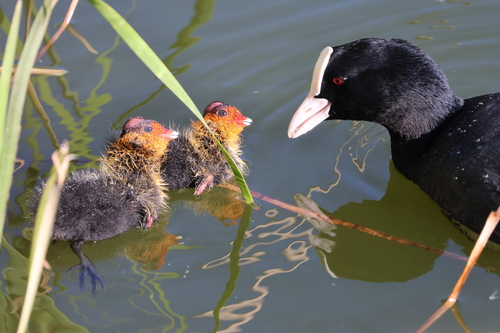
Eurasian Coot (Fulica atra) Eurasian Coot
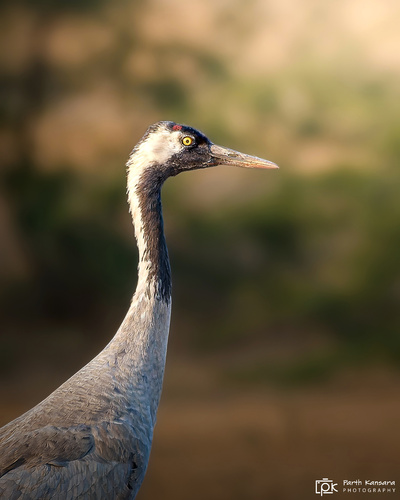
Common Crane (Grus grus) Common Crane

Media

Loading…

In short

The most reliable way to separate Eurasian Coot from Common Crane is by overall structure and size: the coot is a chunky, duck-sized waterbird with a short neck and white facial shield, while the crane is a towering, long-necked, long-legged bird with a distinctive drooping wing plume and red crown patch. Juvenile coots are pale with a whitish breast and lack the adult's white shield, but still look nothing like a crane. In flight, cranes show broad wings with black primaries and trailing plumes, while coots have short, rounded wings and never show plumes. Both species can be found in wetland habitats, but their silhouette, size, and behavior are unmistakably different.

Identification tips

  1. Size is the most immediate clue: Common Crane is enormous, standing as tall as a child, while Eurasian Coot is only duck-sized. If you see a bird towering over ducks or geese, it's a crane, not a coot.
  2. Neck and leg length: Cranes have extremely long necks and legs, both held outstretched in flight; coots have short necks and legs, and never show long projections in flight.
  3. Bill and facial shield: Adult coots have a white bill and a prominent white shield above the bill; cranes have a long, pointed bill and a red crown patch, never a shield.
  4. Plumage color: Coots are uniformly slaty-black (adults) or pale with a whitish breast (juveniles); cranes are grey with black and white face markings and, in adults, a red crown.
  5. Wing shape in flight: Coots have short, rounded wings and fly with rapid, shallow beats; cranes have broad, long wings with black primaries and trailing plumes, flying with slow, deep beats.
  6. Drooping wing plumes: Only cranes show long, drooping plumes from the wing coverts in adults; coots never show any plumes.
  7. Juvenile confusion: Juvenile coots are pale and lack the white shield, but still have a short, dumpy shape and never show a crane's size or structure. Juvenile cranes lack the red crown and plumes but are still huge, long-legged, and long-necked.
  8. Swimming vs walking: Coots are almost always on water, swimming or diving; cranes are nearly always on land or wading, rarely swimming.
  9. Flight silhouette: Coots fly low and look labored, with neck retracted; cranes soar or fly high with neck and legs outstretched, often in V-formation.
  10. Calls: Coots give short, harsh 'kew' calls; cranes have loud, trumpeting, far-carrying calls.
  11. Habitat context: Coots can be found on small urban ponds and lakes; cranes require large, open wetlands or fields and are rarely in urban settings.
  12. Aggressive behavior: Coots are often seen chasing each other on water; cranes display by dancing and leaping on land.
  13. Facial pattern: Adult coots have a plain black head with a white shield; cranes have a striking face with a red crown and white stripe.
  14. Leg color and projection: Coots have greyish legs with lobed toes, not visible in flight; cranes have long, dark legs trailing well beyond the tail in flight.
  15. Group behavior: Coots are often in loose flocks on water; cranes may be in pairs, family groups, or large flocks in migration, but always on land or in the air, not swimming.

Size

Eurasian Coot is a medium-sized waterbird, weighing about 775 g [wikidata], with a length of 36–38 cm and a wingspan of 70–80 cm [wikipedia]. In stark contrast, Common Crane is a massive bird: 100–130 cm long, with a wingspan of 180–240 cm, and body mass ranging from 3 to 6.1 kg [wikipedia]. The crane is more than twice as tall and many times heavier than the coot, with a wingspan that dwarfs even large ducks or geese. Even at a great distance, the size difference is obvious.

Plumage

Juvenile Eurasian Coots are paler than adults, with a whitish breast and lacking the white facial shield; they develop adult black plumage by 3–4 months, but the shield is only fully white at about one year [wikipedia]. Adults are slaty-black all over with a striking white bill and shield. Common Crane adults are overall slate-grey with a blackish forehead and lores, a bare red crown, and a white stripe from behind the eye down the neck. Their primaries and wing tips are black, and the greater coverts droop into long plumes. Juvenile cranes lack the red crown and drooping plumes, and have yellowish-brown feather tips and a fully feathered crown. In flight, cranes show broad, dark-tipped wings with trailing plumes, while coots have short, rounded wings without any plumes or contrasting panels. No age of coot ever resembles a crane in plumage or structure.

Behaviour

Eurasian Coots are almost always seen swimming or diving on water, rarely venturing far onto land except to nest or feed at the water's edge. They often appear aggressive, chasing other coots with short, rapid movements. In flight, coots look labored and low, with rapid wingbeats and short glides. Common Cranes are terrestrial and highly stately, walking slowly through wetlands or fields with long strides. Their flight is graceful and powerful, with neck and legs outstretched, broad wings, and slow, deep wingbeats. Cranes often display by dancing, leaping, and calling, and are rarely seen swimming.

Habitat

Both species use wetland habitats, but Eurasian Coots are strictly aquatic, found on lakes, ponds, and slow rivers, often in urban parks [wikipedia]. They are rarely far from water. Common Cranes breed and feed in large marshes, bogs, and open wet meadows, but also forage in agricultural fields. Cranes need large, open spaces and are rarely found in small urban ponds or confined water bodies where coots thrive.

Voice

Eurasian Coots are noisy, giving sharp, metallic 'kew' or 'kowk' calls, especially in aggression. Common Cranes have a loud, trumpeting call that carries over long distances, especially in flight or display. The crane's call is much deeper, resonant, and far-carrying compared to the coot's harsh, short notes.

Submit a better description

Use the same sections as the comparison. Your text is published immediately.

The most reliable way to separate Eurasian Coot from Common Crane is by overall structure and size: the coot is a chunky, duck-sized waterbird with a short neck and white facial shield, while the crane is a towering, long-necked, long-legged bird with a distinctive drooping wing plume and red crown patch. Juvenile coots are pale with a whitish breast and lack the adult's white shield, but still look nothing like a crane. In flight, cranes show broad wings with black primaries and trailing plumes, while coots have short, rounded wings and never show plumes. Both species can be found in wetland habitats, but their silhouette, size, and behavior are unmistakably different.

  1. Size is the most immediate clue: Common Crane is enormous, standing as tall as a child, while Eurasian Coot is only duck-sized. If you see a bird towering over ducks or geese, it's a crane, not a coot.
  2. Neck and leg length: Cranes have extremely long necks and legs, both held outstretched in flight; coots have short necks and legs, and never show long projections in flight.
  3. Bill and facial shield: Adult coots have a white bill and a prominent white shield above the bill; cranes have a long, pointed bill and a red crown patch, never a shield.
  4. Plumage color: Coots are uniformly slaty-black (adults) or pale with a whitish breast (juveniles); cranes are grey with black and white face markings and, in adults, a red crown.
  5. Wing shape in flight: Coots have short, rounded wings and fly with rapid, shallow beats; cranes have broad, long wings with black primaries and trailing plumes, flying with slow, deep beats.
  6. Drooping wing plumes: Only cranes show long, drooping plumes from the wing coverts in adults; coots never show any plumes.
  7. Juvenile confusion: Juvenile coots are pale and lack the white shield, but still have a short, dumpy shape and never show a crane's size or structure. Juvenile cranes lack the red crown and plumes but are still huge, long-legged, and long-necked.
  8. Swimming vs walking: Coots are almost always on water, swimming or diving; cranes are nearly always on land or wading, rarely swimming.
  9. Flight silhouette: Coots fly low and look labored, with neck retracted; cranes soar or fly high with neck and legs outstretched, often in V-formation.
  10. Calls: Coots give short, harsh 'kew' calls; cranes have loud, trumpeting, far-carrying calls.
  11. Habitat context: Coots can be found on small urban ponds and lakes; cranes require large, open wetlands or fields and are rarely in urban settings.
  12. Aggressive behavior: Coots are often seen chasing each other on water; cranes display by dancing and leaping on land.
  13. Facial pattern: Adult coots have a plain black head with a white shield; cranes have a striking face with a red crown and white stripe.
  14. Leg color and projection: Coots have greyish legs with lobed toes, not visible in flight; cranes have long, dark legs trailing well beyond the tail in flight.
  15. Group behavior: Coots are often in loose flocks on water; cranes may be in pairs, family groups, or large flocks in migration, but always on land or in the air, not swimming.

Eurasian Coot is a medium-sized waterbird, weighing about 775 g [wikidata], with a length of 36–38 cm and a wingspan of 70–80 cm [wikipedia]. In stark contrast, Common Crane is a massive bird: 100–130 cm long, with a wingspan of 180–240 cm, and body mass ranging from 3 to 6.1 kg [wikipedia]. The crane is more than twice as tall and many times heavier than the coot, with a wingspan that dwarfs even large ducks or geese. Even at a great distance, the size difference is obvious.

Juvenile Eurasian Coots are paler than adults, with a whitish breast and lacking the white facial shield; they develop adult black plumage by 3–4 months, but the shield is only fully white at about one year [wikipedia]. Adults are slaty-black all over with a striking white bill and shield. Common Crane adults are overall slate-grey with a blackish forehead and lores, a bare red crown, and a white stripe from behind the eye down the neck. Their primaries and wing tips are black, and the greater coverts droop into long plumes. Juvenile cranes lack the red crown and drooping plumes, and have yellowish-brown feather tips and a fully feathered crown. In flight, cranes show broad, dark-tipped wings with trailing plumes, while coots have short, rounded wings without any plumes or contrasting panels. No age of coot ever resembles a crane in plumage or structure.

Eurasian Coots are almost always seen swimming or diving on water, rarely venturing far onto land except to nest or feed at the water's edge. They often appear aggressive, chasing other coots with short, rapid movements. In flight, coots look labored and low, with rapid wingbeats and short glides. Common Cranes are terrestrial and highly stately, walking slowly through wetlands or fields with long strides. Their flight is graceful and powerful, with neck and legs outstretched, broad wings, and slow, deep wingbeats. Cranes often display by dancing, leaping, and calling, and are rarely seen swimming.

Both species use wetland habitats, but Eurasian Coots are strictly aquatic, found on lakes, ponds, and slow rivers, often in urban parks [wikipedia]. They are rarely far from water. Common Cranes breed and feed in large marshes, bogs, and open wet meadows, but also forage in agricultural fields. Cranes need large, open spaces and are rarely found in small urban ponds or confined water bodies where coots thrive.

Eurasian Coots are noisy, giving sharp, metallic 'kew' or 'kowk' calls, especially in aggression. Common Cranes have a loud, trumpeting call that carries over long distances, especially in flight or display. The crane's call is much deeper, resonant, and far-carrying compared to the coot's harsh, short notes.

Discard your changes?

You have unsaved edits. If you leave now, those changes will be lost.

Eurasian Coot · Common Crane · My Tricky Birds