

Common Linnet vs Citril Finch
Linaria cannabina versus Carduelis citrinella
Play a quiz with Common Linnet and Citril Finch
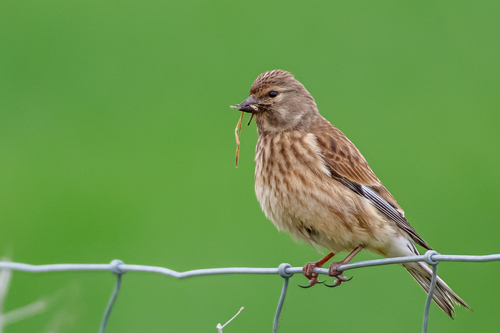 Common Linnet
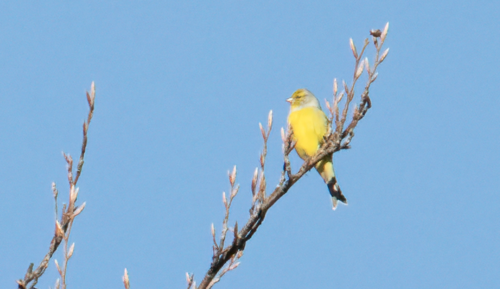 Citril Finch
In short
The most reliable field mark to separate Common Linnet from Citril Finch is overall color and face pattern: Citril Finch shows a bright yellow face mask and yellow underparts with double yellow wingbars, while Common Linnet lacks yellow entirely, instead showing brown upperparts and, in males, red on the forehead and breast. Juvenile Citril Finches are brown and lack yellow, but still differ from Linnet by lacking any red or strong streaking below. Structure is similar, but Linnet is slightly heavier and longer-tailed. Females and young Linnets are streaked below and never show yellow or a face mask. In flight or perched, focus on yellow in Citril Finch and red or streaked buff in Linnet.
Identification tips
- Yellow vs. Red/No Yellow: Citril Finch always shows yellow in the face mask, underparts, and double yellow wingbars (except juveniles, which are brown but still lack yellow or red). Linnet never shows yellow anywhere; males have red on the forehead and breast, females/young are streaked buff below.
- Face Pattern: Citril Finch has a bright yellow face mask in all plumages except juveniles; Linnet has a plain face, with males showing a red forehead in breeding season.
- Wingbars: Citril Finch has two clear yellow wingbars on each wing; Linnet lacks any wingbars at all ages.
- Underparts: Citril Finch is yellow below (adults), sometimes duller in females; Linnet is white below, with males showing red breast and females/young streaked buff.
- Back Color: Citril Finch is greyish above with a brown tinge and black streaks; Linnet is brown above, more uniform, with no yellow or strong streaking.
- Juvenile Confusion: Juvenile Citril Finch is brown and lacks yellow, but also lacks the streaked buff underparts of Linnet juveniles. Juvenile Linnet is brown above, white below with buff streaks, and never shows yellow or a face mask.
- Tail Shape: Linnet is described as slim and long-tailed, which may be visible in flight or when perched; Citril Finch is more compact.
- Bill Color: Linnet has a grey bill; bill color is not specified for Citril Finch, but not noted as distinctive.
- Sex Differences: Male Linnet is the only one with red on forehead and breast; female and young Linnet lack red and are streaked below. Citril Finch sexes are similar, with females just duller yellow below.
- Habitat Context: Citril Finch is a mountain specialist (Alps, Pyrenees, SW Europe), often in coniferous woodland; Linnet is more widespread and prefers open country, farmland, or scrub.
- Song and Call: Citril Finch gives a silvery, goldfinch/serin-like twitter and a siskin-like tee-ee call; Linnet's vocalizations are not described here, so use Citril Finch's distinctive calls as a positive clue.
- Flock Structure: Both species may be seen in small flocks, so flocking behavior is not a separator.
- Seasonal Pitfalls: In non-breeding season, male Linnet may lose some red, but will never show yellow or wingbars; Citril Finch always shows yellow wingbars and face mask except in juveniles.
- Geographic Range: If in high mountains of SW Europe, especially in coniferous habitat, lean toward Citril Finch; elsewhere, especially in lowland open country, Linnet is more likely.
- Overall Impression: If the bird looks yellowish with a yellow face and wingbars, it's Citril Finch; if it looks brown and streaked, with or without red, and never any yellow, it's Linnet.
Size
Common Linnet is slightly heavier (19.0 g vs. ~12.5 g for Citril Finch) [wikidata, wikipedia], but both are small finches and may overlap in size in the field. Linnet is described as slim with a long tail, which may give it a more elongated look compared to the more compact Citril Finch. Size alone is rarely diagnostic at a distance, but Linnet may appear a bit more slender and longer-tailed.
Plumage
-
Juvenile/immature birds: Juvenile Citril Finch is brown and lacks any yellow or green, but also lacks the strong red or buff streaking of Linnet. Juvenile Linnet is brown above, white below with buff streaks, and never shows yellow or a face mask.
-
Adult males: Breeding male Linnet has a grey nape, red forehead and red breast, brown upperparts, and white underparts. Citril Finch adult males (and females) have a yellow face mask, yellow underparts, greyish upperparts with a brown-tinged, black-streaked back, and double yellow wingbars. Linnet never shows yellow or wingbars; Citril Finch never shows red.
-
Females: Female Linnet lacks red, is brown above, white below with buff streaks; female Citril Finch is similar to male but may be duller yellow below, always with yellow face and wingbars.
-
Wing pattern: Citril Finch shows double yellow wingbars; Linnet lacks wingbars.
-
Key contrast: Presence of yellow (Citril Finch) vs. red (male Linnet) or streaked buff (female/young Linnet).
Behaviour
Both species are typical finches in behavior, often seen in small flocks outside breeding season. No diagnostic behavioral differences are noted in the sources. Linnet may appear more elongated and long-tailed in flight or when perched, while Citril Finch may seem more compact.
Habitat
Citril Finch is a specialist of mountain habitats in southwestern Europe, breeding from Spain to the Alps, often in coniferous or mixed woodland at altitude [wikipedia]. Common Linnet is not described in detail here, but is generally much more widespread and found in open country, farmland, and scrub. If seen in high mountain coniferous woodland in southwestern Europe, Citril Finch is more likely; in lowland farmland or open scrub, Linnet is more likely.
Voice
Citril Finch has a silvery twittering song, reminiscent of European Goldfinch or Serin, and a main call described as tee-ee, similar to Eurasian Siskin. No vocal description is given for Linnet here. If you hear a siskin-like tee-ee or a goldfinch/serin-style twitter, consider Citril Finch.