
Common Buzzard vs Eastern Buzzard
Buteo buteo versus Buteo japonicus
Play a quiz with Common Buzzard and Eastern Buzzard
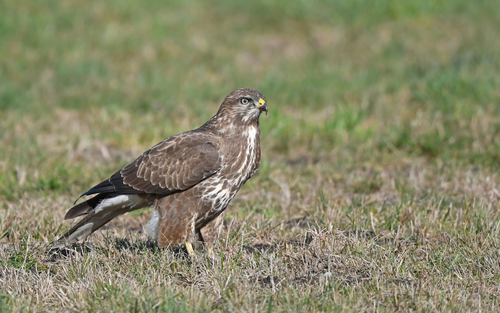 Common Buzzard
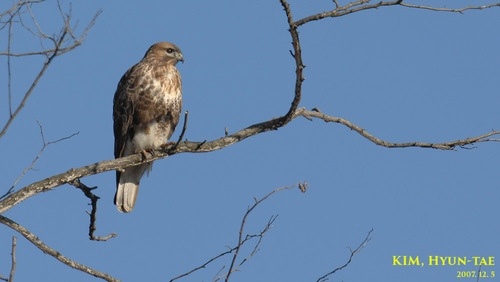 Eastern Buzzard
In short
Separating Common Buzzard (Buteo buteo) from Eastern Buzzard (Buteo japonicus) is challenging, especially as immatures and in flight, because they are extremely similar in structure and plumage. The most reliable field marks involve subtle differences in wing and tail proportions, flight style, and—where visible—regional context. Both species show significant variation and overlap, and many field guides treat Eastern Buzzard as a former subspecies of Common. In most of Europe, only Common Buzzard occurs, while Eastern Buzzard is native to East Asia and adjacent Russia. If you encounter a Buteo in a zone of overlap or migration, focus on wing shape, tail length, and overall jizz, but be honest about the limits of field separation.
Identification tips
- Geographic context is often the best clue: In Europe, assume Common Buzzard; in East Asia, assume Eastern Buzzard. In overlap zones, be cautious and look for supporting features.
- Wing and tail proportions: Eastern Buzzard may average slightly broader wings and a longer tail than Common, but this is subtle and not always visible in the field. Use with caution and only in direct comparison.
- Flight jizz: Common Buzzard typically soars with wings in a shallow V (dihedral), while Eastern Buzzard may show a similar or slightly less pronounced dihedral. Differences are minor and not always reliable.
- Plumage variability: Both species are highly variable in color and pattern, from pale to dark morphs. Do not rely on overall coloration for separation.
- Carpal patch and underwing pattern: Both can show a dark carpal patch and pale primary panels; these are not diagnostic between the two.
- Tail pattern: Both species show variable tail barring and can have a pale terminal band. No consistent differences are described.
- Juvenile/immature confusion: Young birds of both species are especially difficult to separate and may mimic each other's patterns. Exercise caution with immature birds.
- Structural impression: If you have prolonged views, Eastern Buzzard may look slightly bulkier with a longer tail, but overlap is extensive.
- Perched birds: Structure and posture are very similar; no reliable differences are noted in perched birds.
- Voice: No distinctive vocal differences are described in the sources; both give typical Buteo mewing calls.
- Seasonal context: If seen in migration in East Asia, consider Eastern Buzzard; in western Eurasia, Common Buzzard is far more likely.
- Beware of confusion with other Buteos: Both can be confused with Steppe Buzzard, Rough-legged Buzzard, and even Honey Buzzard. Make sure you are not dealing with one of these before attempting to separate Common from Eastern.
- Do not over-rely on single field marks: No single feature is diagnostic; use a combination of range, structure, and subtle jizz, and accept that some individuals will remain unidentifiable in the field.
- Photography and expert review: For tricky birds in overlap zones, photographs and expert consultation may be necessary for a confident ID.
- Admit uncertainty: If you cannot confidently separate the two, it is acceptable to leave the bird as 'Buteo sp.'—many experienced birders do so in regions of overlap.
Size
Both species are medium to large Buteos, with Common Buzzard averaging around 878 g in body mass [wikidata]. Eastern Buzzard is described as 'medium to large' and is similar in size to Common Buzzard, with no strong size difference noted in available sources. In the field, size is not a reliable separator between these two, as both overlap extensively and show individual variation.
Plumage
Plumage is highly variable in both species, with extensive overlap in coloration and pattern. Juvenile and immature birds of both taxa can be especially difficult to separate; both show a range of morphs from pale to dark. There are no clear, consistently diagnostic age-specific upperwing or underwing patterns described in the available sources for separating Common from Eastern Buzzard. Both can show pale panels on the primaries, variable carpal patches, and similar tail barring. Adult plumages are also extremely similar, with both species showing variable brown upperparts and underparts, sometimes with rufous or pale morphs. In practice, plumage alone is rarely sufficient for confident identification.
Behaviour
Flight style is subtly different: Common Buzzard typically soars with wings held in a shallow dihedral (V-shape), while Eastern Buzzard is reported to be similar but may show slightly broader wings and a longer tail, though this is subtle and not always reliable. Both species use similar hunting and soaring behaviors. Flapping and gliding actions are alike, and both can be mistaken for other Buteos or even eagles at a distance.
Habitat
Habitat is not a strong separator where ranges overlap, as both species use open country, forest edges, and mixed habitats. However, in Europe, a Buteo is almost certainly a Common Buzzard, while in East Asia, especially Japan, Korea, and eastern Russia, Eastern Buzzard is the default. In regions where both might occur (e.g., far eastern Russia or on migration), context may help but is not definitive.