

Motmot

Brown-throated Sunbird vs Ornate Sunbird

Anthreptes malacensis versus Cinnyris ornatus

Play a quiz with Brown-throated Sunbird and Ornate Sunbird
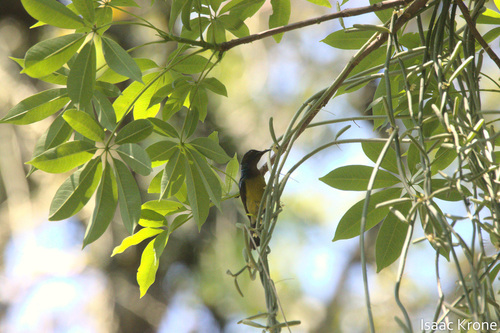
Brown-throated Sunbird (Anthreptes malacensis) Brown-throated Sunbird
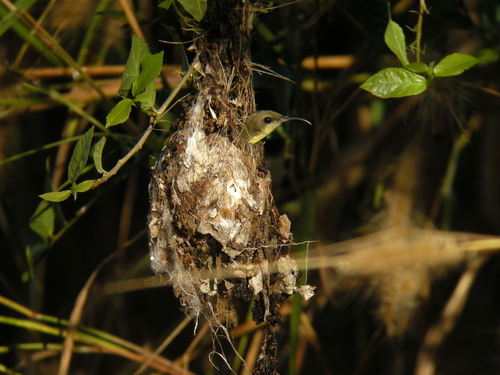
Ornate Sunbird (Cinnyris ornatus) Ornate Sunbird

Media

Loading…

In short

The most reliable field mark to separate Brown-throated Sunbird from Ornate Sunbird is the male's throat and upper breast: Brown-throated males have a mostly plain brownish or chestnut throat and upper breast, while Ornate males show a striking blue-black iridescent throat and breast. Females are trickier, but Ornate females have a yellowish supercilium (eyebrow) that Brown-throated females lack. Brown-throated is notably larger and heavier, with a thicker bill and more robust jizz, while Ornate is smaller and more delicate. Both species have yellow underparts and olive upperparts in females, so pay close attention to head pattern, throat color, and overall size.

Identification tips

  1. Male throat color is the most reliable mark: Brown-throated males have a plain brownish or chestnut throat and upper breast, while Ornate males show a sharply contrasting blue-black iridescent throat and breast. This is diagnostic in good light.
  2. Female head pattern: Ornate females show a yellowish supercilium (eyebrow), which Brown-throated females lack. Look for this pale line above the eye in perched birds.
  3. Size and structure: Brown-throated is noticeably larger (up to 14 cm) and heavier, with a thicker, more robust bill. Ornate is smaller (max 11.4 cm), lighter, and more delicate in build. If you see both together, the difference is obvious; alone, judge by bill thickness and body bulk.
  4. Male upperparts: Brown-throated males have iridescent green and purple upperparts with chestnut on the wing-coverts and scapulars. Ornate males are olive above with black remiges edged green and a black tail tipped white.
  5. Female upperparts: Both are olive-green above, but Brown-throated females are plainer-faced; Ornate females have the yellow supercilium and may look slightly brighter below.
  6. Underparts: Both species have yellow underparts in both sexes, so this is not a safe separator.
  7. Bill shape: Brown-throated has a thicker, heavier bill, especially noticeable in side profile. Ornate's bill is finer and more delicate.
  8. Tail pattern (male): Ornate males have a black tail with a white tip, which may be visible when the tail is fanned or in good views. Brown-throated lacks this feature.
  9. Wing coverts (male): Brown-throated males show chestnut on the wing-coverts and scapulars, which Ornate lacks.
  10. Iridescence: The iridescent blue-black of Ornate male's throat and breast is unique; Brown-throated's iridescence is restricted to the upperparts (green and purple), not the throat.
  11. Habitat overlap: Both species occur in similar habitats, so do not rely on location or context alone for identification.
  12. Juvenile/immature birds: No distinctive upperwing or flight marks are described for either species at any age; focus on structure and head pattern in young birds.
  13. Behavior: Both species are active nectar feeders, but Brown-throated may appear more robust and deliberate, Ornate more agile and delicate. This is subtle and not diagnostic on its own.
  14. Voice: No vocal differences are described in the sources; do not rely on song or call for separation.
  15. Pitfalls: Females are the most challenging; always check for the Ornate's yellow supercilium and Brown-throated's plainer face. In poor light, size and bill thickness may help, but beware of overlap and individual variation.

Size

Brown-throated Sunbird is the larger and heavier species: about 14 cm in length and 7.4–13.5 g in mass, with males averaging slightly more than females. Ornate Sunbird is smaller and lighter, at 10–11.4 cm and 6–11.9 g for males (females 6–10 g). In the field, Brown-throated often appears bulkier and more thickset, with a stouter bill, while Ornate is more slender and delicate overall. If both species are present, size difference is usually obvious at close range.

Plumage

No age-specific upperwing or flight pattern differences are described for either species, so focus on perched birds. Adult males are most easily separated: Brown-throated males have iridescent green and purple upperparts, chestnut wing-coverts and scapulars, and a mostly plain brownish or chestnut throat and upper breast, with yellow underparts. Ornate males have olive upperparts, black remiges with green edging, a black tail with white tip, and a bold blue-black iridescent throat and breast, contrasting sharply with the yellow belly. Females of both are olive-green above and yellowish below, but Ornate females have a yellow supercilium (eyebrow), while Brown-throated females lack this and are plainer-faced. Juvenile and immature plumages are not described in detail, but there is no mention of distinctive upperwing or flight marks for either species.

Behaviour

Both species are active, nectar-feeding sunbirds, often seen flitting among flowers. Brown-throated Sunbird, being larger and heavier, may appear more robust and deliberate in movement, while Ornate Sunbird is more agile and delicate. Both may supplement their diet with small fruits and insects, especially when feeding young. No major behavioral differences are noted that would reliably separate them in the field.

Habitat

Brown-throated Sunbird is found in a wide range of semi-open habitats across Southeast Asia, including gardens, parks, edges, and secondary growth. Ornate Sunbird is endemic to the region as well, with a similar range (Mainland SE Asia, Sumatra, Java, Borneo, Lesser Sundas), and also frequents gardens and open woodland. Habitat overlap is extensive, so context alone is not a reliable separator.

Submit a better description

Use the same sections as the comparison. Your text is published immediately.

The most reliable field mark to separate Brown-throated Sunbird from Ornate Sunbird is the male's throat and upper breast: Brown-throated males have a mostly plain brownish or chestnut throat and upper breast, while Ornate males show a striking blue-black iridescent throat and breast. Females are trickier, but Ornate females have a yellowish supercilium (eyebrow) that Brown-throated females lack. Brown-throated is notably larger and heavier, with a thicker bill and more robust jizz, while Ornate is smaller and more delicate. Both species have yellow underparts and olive upperparts in females, so pay close attention to head pattern, throat color, and overall size.

  1. Male throat color is the most reliable mark: Brown-throated males have a plain brownish or chestnut throat and upper breast, while Ornate males show a sharply contrasting blue-black iridescent throat and breast. This is diagnostic in good light.
  2. Female head pattern: Ornate females show a yellowish supercilium (eyebrow), which Brown-throated females lack. Look for this pale line above the eye in perched birds.
  3. Size and structure: Brown-throated is noticeably larger (up to 14 cm) and heavier, with a thicker, more robust bill. Ornate is smaller (max 11.4 cm), lighter, and more delicate in build. If you see both together, the difference is obvious; alone, judge by bill thickness and body bulk.
  4. Male upperparts: Brown-throated males have iridescent green and purple upperparts with chestnut on the wing-coverts and scapulars. Ornate males are olive above with black remiges edged green and a black tail tipped white.
  5. Female upperparts: Both are olive-green above, but Brown-throated females are plainer-faced; Ornate females have the yellow supercilium and may look slightly brighter below.
  6. Underparts: Both species have yellow underparts in both sexes, so this is not a safe separator.
  7. Bill shape: Brown-throated has a thicker, heavier bill, especially noticeable in side profile. Ornate's bill is finer and more delicate.
  8. Tail pattern (male): Ornate males have a black tail with a white tip, which may be visible when the tail is fanned or in good views. Brown-throated lacks this feature.
  9. Wing coverts (male): Brown-throated males show chestnut on the wing-coverts and scapulars, which Ornate lacks.
  10. Iridescence: The iridescent blue-black of Ornate male's throat and breast is unique; Brown-throated's iridescence is restricted to the upperparts (green and purple), not the throat.
  11. Habitat overlap: Both species occur in similar habitats, so do not rely on location or context alone for identification.
  12. Juvenile/immature birds: No distinctive upperwing or flight marks are described for either species at any age; focus on structure and head pattern in young birds.
  13. Behavior: Both species are active nectar feeders, but Brown-throated may appear more robust and deliberate, Ornate more agile and delicate. This is subtle and not diagnostic on its own.
  14. Voice: No vocal differences are described in the sources; do not rely on song or call for separation.
  15. Pitfalls: Females are the most challenging; always check for the Ornate's yellow supercilium and Brown-throated's plainer face. In poor light, size and bill thickness may help, but beware of overlap and individual variation.

Brown-throated Sunbird is the larger and heavier species: about 14 cm in length and 7.4–13.5 g in mass, with males averaging slightly more than females. Ornate Sunbird is smaller and lighter, at 10–11.4 cm and 6–11.9 g for males (females 6–10 g). In the field, Brown-throated often appears bulkier and more thickset, with a stouter bill, while Ornate is more slender and delicate overall. If both species are present, size difference is usually obvious at close range.

No age-specific upperwing or flight pattern differences are described for either species, so focus on perched birds. Adult males are most easily separated: Brown-throated males have iridescent green and purple upperparts, chestnut wing-coverts and scapulars, and a mostly plain brownish or chestnut throat and upper breast, with yellow underparts. Ornate males have olive upperparts, black remiges with green edging, a black tail with white tip, and a bold blue-black iridescent throat and breast, contrasting sharply with the yellow belly. Females of both are olive-green above and yellowish below, but Ornate females have a yellow supercilium (eyebrow), while Brown-throated females lack this and are plainer-faced. Juvenile and immature plumages are not described in detail, but there is no mention of distinctive upperwing or flight marks for either species.

Both species are active, nectar-feeding sunbirds, often seen flitting among flowers. Brown-throated Sunbird, being larger and heavier, may appear more robust and deliberate in movement, while Ornate Sunbird is more agile and delicate. Both may supplement their diet with small fruits and insects, especially when feeding young. No major behavioral differences are noted that would reliably separate them in the field.

Brown-throated Sunbird is found in a wide range of semi-open habitats across Southeast Asia, including gardens, parks, edges, and secondary growth. Ornate Sunbird is endemic to the region as well, with a similar range (Mainland SE Asia, Sumatra, Java, Borneo, Lesser Sundas), and also frequents gardens and open woodland. Habitat overlap is extensive, so context alone is not a reliable separator.

Discard your changes?

You have unsaved edits. If you leave now, those changes will be lost.

Brown-throated Sunbird · Ornate Sunbird · My Tricky Birds