

Motmot

Black Noddy vs Blue-grey Noddy

Anous minutus versus Anous ceruleus

Play a quiz with Black Noddy and Blue-grey Noddy
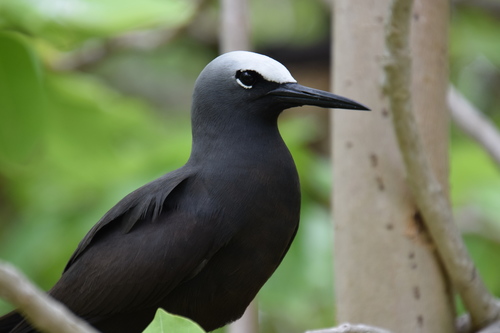
Black Noddy (Anous minutus) Black Noddy
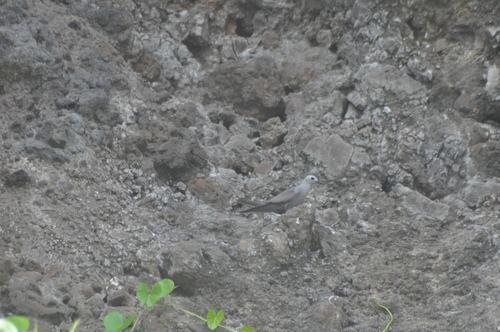
Blue-grey Noddy (Anous ceruleus) Blue-grey Noddy

Media

Loading…

In short

The most reliable field mark to separate Black Noddy from Blue-grey Noddy is overall size: Black Noddy is distinctly larger and heavier, with a noticeably longer wingspan. Both species share a dark body and pale crown, but Black Noddy has a deeper black plumage and a white cap that contrasts more sharply, as well as dark lores (the area between the eye and bill), while Blue-grey Noddy is smaller, with a paler, more bluish-grey tone and pale lores. In direct comparison, bill and tail structure are similar, so focus on size, darkness of plumage, and the color of the lores for the most reliable separation. Immature plumages and flight patterns are not described as distinctive in the sources, so adults in typical views are the main context for separation.

Identification tips

  1. Size is the most decisive mark: Black Noddy is much larger and heavier than Blue-grey Noddy. Use this when birds are seen together or with other terns for scale.
  2. Plumage darkness: Black Noddy is deep black, while Blue-grey Noddy is paler and has a blue-grey tone. This is most obvious in good light.
  3. Crown and cap contrast: Black Noddy's white cap is sharply defined against the black head and body, making the cap stand out. Blue-grey Noddy's crown is paler but less crisply set off from the body.
  4. Lores color: Black Noddy has dark lores, giving the face a more masked look. Blue-grey Noddy has pale lores, which softens the facial contrast and gives a more gentle expression. This is a key mark in close views.
  5. Bill color: Both species have sharply pointed black bills, so this is not useful for separation.
  6. Feet color: Black Noddy usually has black feet, but some subspecies (melanogenys) have orange feet. Blue-grey Noddy's foot color is not detailed, so do not rely on this unless the orange-footed Black Noddy subspecies is present.
  7. Wing and tail shape: Both have long, tapering wings and a truncated tail; these are not useful for separation.
  8. Facial pattern: Look for the small white crescent under the eye and white spot above in Black Noddy; these are subtle but can help in close views.
  9. No age-specific flight marks: The sources do not describe distinctive juvenile or immature wing patterns for either species, so do not expect to separate them by upperwing or tail pattern in flight.
  10. Habitat context: If you are in a region where only one species is known to occur, this can help, but both species overlap widely in the Pacific.
  11. Colony composition: In mixed colonies, size and facial pattern are the best clues.
  12. Voice: No diagnostic vocal differences are described in the sources, so do not rely on calls for separation.
  13. Sex and season: No sexual or seasonal plumage differences are described for either species, so all marks apply year-round and to both sexes.
  14. Lighting conditions: In poor light, the difference in darkness and the color of the lores may be harder to judge; in such cases, size becomes even more important.
  15. When in doubt: If you cannot judge size or see the lores clearly, be cautious in your identification, as both species can appear similar at a distance or in poor viewing conditions.

Size

Black Noddy is substantially larger, measuring 35–37 cm in length with a wingspan of 66–72 cm and weighing 98–144 g. In contrast, Blue-grey Noddy is smaller at 25–28 cm in length, with a wingspan of 46–60 cm. This size difference is often apparent in the field when both species are seen together or with familiar terns for scale. The Black Noddy's larger, more robust appearance can be a decisive clue, especially in flight or when perched among other seabirds.

Plumage

For adults, Black Noddy is deep black with a crisp white cap and dark lores, giving the face a more sharply marked look. The white cap is set off by the surrounding black, and small white crescents under the eye and a white spot above are present. Blue-grey Noddy, by contrast, is overall paler, with a blue-grey cast to the body and a less contrasting pale crown. Critically, the lores on Blue-grey Noddy are pale, which softens the facial contrast compared to Black Noddy. No age-specific upperwing or flight pattern differences are described in the sources, and juvenile/immature plumages are not detailed, so these marks are best used on adults or birds in definitive plumage.

Behaviour

Both species are typical noddies in behavior, with similar flight style and feeding habits. They both show long, tapering wings and a truncated tail, and their flight is buoyant and tern-like. No behavioral differences are described in the sources that are useful for field separation.

Habitat

Both species are seabirds found on tropical islands and atolls, often nesting in colonies. Blue-grey Noddy is noted for its presence across a wide range of Pacific islands, including Hawaii and French Polynesia. Black Noddy has a similarly broad tropical distribution, but habitat alone is not a reliable separator where ranges overlap. Contextual clues may help if only one species is known from a specific site, but in mixed colonies or overlapping ranges, visual marks are necessary.

Submit a better description

Use the same sections as the comparison. Your text is published immediately.

The most reliable field mark to separate Black Noddy from Blue-grey Noddy is overall size: Black Noddy is distinctly larger and heavier, with a noticeably longer wingspan. Both species share a dark body and pale crown, but Black Noddy has a deeper black plumage and a white cap that contrasts more sharply, as well as dark lores (the area between the eye and bill), while Blue-grey Noddy is smaller, with a paler, more bluish-grey tone and pale lores. In direct comparison, bill and tail structure are similar, so focus on size, darkness of plumage, and the color of the lores for the most reliable separation. Immature plumages and flight patterns are not described as distinctive in the sources, so adults in typical views are the main context for separation.

  1. Size is the most decisive mark: Black Noddy is much larger and heavier than Blue-grey Noddy. Use this when birds are seen together or with other terns for scale.
  2. Plumage darkness: Black Noddy is deep black, while Blue-grey Noddy is paler and has a blue-grey tone. This is most obvious in good light.
  3. Crown and cap contrast: Black Noddy's white cap is sharply defined against the black head and body, making the cap stand out. Blue-grey Noddy's crown is paler but less crisply set off from the body.
  4. Lores color: Black Noddy has dark lores, giving the face a more masked look. Blue-grey Noddy has pale lores, which softens the facial contrast and gives a more gentle expression. This is a key mark in close views.
  5. Bill color: Both species have sharply pointed black bills, so this is not useful for separation.
  6. Feet color: Black Noddy usually has black feet, but some subspecies (melanogenys) have orange feet. Blue-grey Noddy's foot color is not detailed, so do not rely on this unless the orange-footed Black Noddy subspecies is present.
  7. Wing and tail shape: Both have long, tapering wings and a truncated tail; these are not useful for separation.
  8. Facial pattern: Look for the small white crescent under the eye and white spot above in Black Noddy; these are subtle but can help in close views.
  9. No age-specific flight marks: The sources do not describe distinctive juvenile or immature wing patterns for either species, so do not expect to separate them by upperwing or tail pattern in flight.
  10. Habitat context: If you are in a region where only one species is known to occur, this can help, but both species overlap widely in the Pacific.
  11. Colony composition: In mixed colonies, size and facial pattern are the best clues.
  12. Voice: No diagnostic vocal differences are described in the sources, so do not rely on calls for separation.
  13. Sex and season: No sexual or seasonal plumage differences are described for either species, so all marks apply year-round and to both sexes.
  14. Lighting conditions: In poor light, the difference in darkness and the color of the lores may be harder to judge; in such cases, size becomes even more important.
  15. When in doubt: If you cannot judge size or see the lores clearly, be cautious in your identification, as both species can appear similar at a distance or in poor viewing conditions.

Black Noddy is substantially larger, measuring 35–37 cm in length with a wingspan of 66–72 cm and weighing 98–144 g. In contrast, Blue-grey Noddy is smaller at 25–28 cm in length, with a wingspan of 46–60 cm. This size difference is often apparent in the field when both species are seen together or with familiar terns for scale. The Black Noddy's larger, more robust appearance can be a decisive clue, especially in flight or when perched among other seabirds.

For adults, Black Noddy is deep black with a crisp white cap and dark lores, giving the face a more sharply marked look. The white cap is set off by the surrounding black, and small white crescents under the eye and a white spot above are present. Blue-grey Noddy, by contrast, is overall paler, with a blue-grey cast to the body and a less contrasting pale crown. Critically, the lores on Blue-grey Noddy are pale, which softens the facial contrast compared to Black Noddy. No age-specific upperwing or flight pattern differences are described in the sources, and juvenile/immature plumages are not detailed, so these marks are best used on adults or birds in definitive plumage.

Both species are typical noddies in behavior, with similar flight style and feeding habits. They both show long, tapering wings and a truncated tail, and their flight is buoyant and tern-like. No behavioral differences are described in the sources that are useful for field separation.

Both species are seabirds found on tropical islands and atolls, often nesting in colonies. Blue-grey Noddy is noted for its presence across a wide range of Pacific islands, including Hawaii and French Polynesia. Black Noddy has a similarly broad tropical distribution, but habitat alone is not a reliable separator where ranges overlap. Contextual clues may help if only one species is known from a specific site, but in mixed colonies or overlapping ranges, visual marks are necessary.

Discard your changes?

You have unsaved edits. If you leave now, those changes will be lost.

Black Noddy · Blue-grey Noddy · My Tricky Birds