

Motmot

Black-browed Reed Warbler vs Blyth's Reed Warbler

Acrocephalus bistrigiceps versus Acrocephalus dumetorum

Play a quiz with Black-browed Reed Warbler and Blyth's Reed Warbler
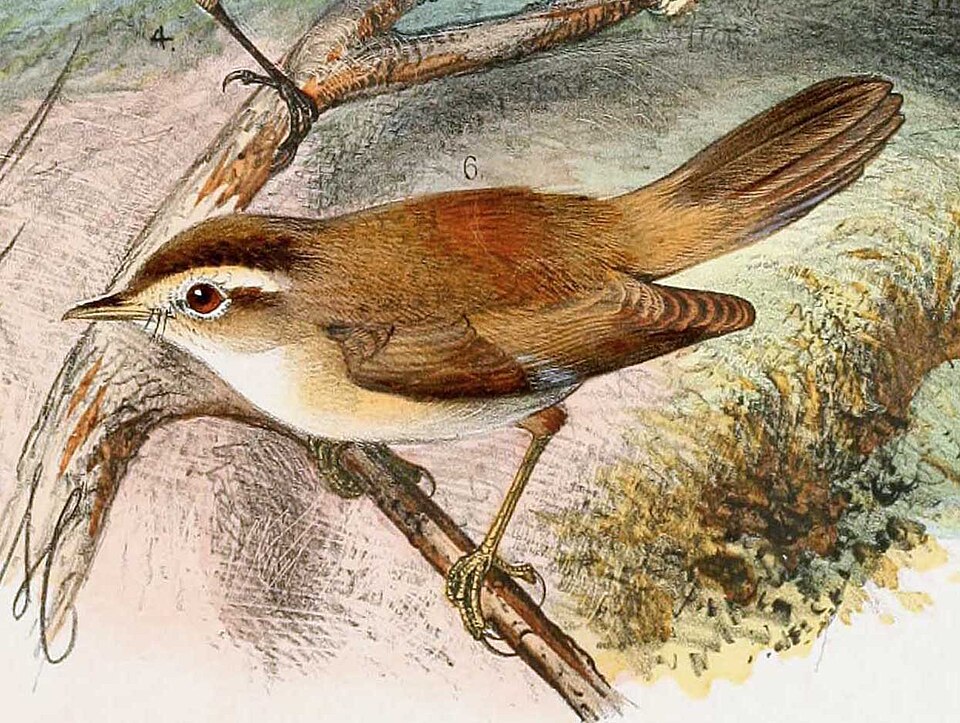
Black-browed Reed Warbler (Acrocephalus bistrigiceps) Black-browed Reed Warbler
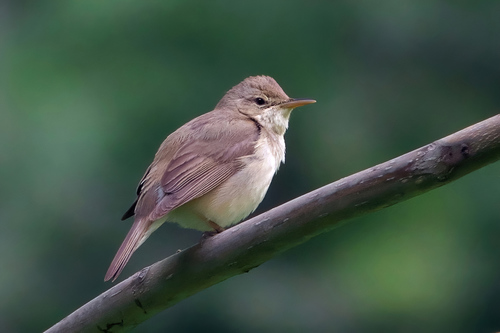
Blyth's Reed Warbler (Acrocephalus dumetorum) Blyth's Reed Warbler

Media

Loading…

In short

The most reliable field mark between Black-browed Reed Warbler and Blyth's Reed Warbler is the strong, dark brow (supercilium and eye-stripe) of Black-browed, which stands out compared to the much subtler facial pattern of Blyth's. Blyth's Reed Warbler is plainer overall, with olive-brown upperparts and a short, pale supercilium, lacking the crisp facial contrast of Black-browed. Structural differences are subtle but Blyth's tends to look slimmer with a longer bill and shorter, rounder wings. Both can be found in wet habitats, but Black-browed is more strictly tied to dense reedbeds, while Blyth's uses a wider range of damp woodland and scrub. Age-related wing pattern differences are not well described for either species, so focus on facial pattern and overall jizz for separation.

Identification tips

  1. Facial Pattern: Black-browed Reed Warbler shows a strong, dark brow (supercilium and eye-stripe) that is sharply defined and contrasts with the paler face, giving a 'masked' look. Blyth's Reed Warbler has only a short, pale supercilium and a faint dusky eye-stripe, resulting in a much plainer face. This is the most reliable mark in all ages and seasons.
  2. Overall Plumage Tone: Blyth's is plainer and colder-toned, with olive-brown upperparts and little contrast. Black-browed may appear slightly warmer and more contrasting, especially around the head.
  3. Wing and Flight Pattern: No distinctive juvenile or immature wing patterns are described for either species, so do not rely on flight marks for separation.
  4. Bill Structure: Blyth's Reed Warbler has a relatively long, thick bill with a pinkish-brown base to the lower mandible. Black-browed's bill is not described in detail but is not noted as distinctive.
  5. Leg and Foot Color: Blyth's has pinkish-brown legs and feet, matching the base of the bill. This is subtle and not always visible in the field.
  6. Jizz/Structure: Blyth's Reed Warbler is slim with short, rounded wings and a long bill. Black-browed may appear more compact, but structural differences are subtle and best used in combination with other marks.
  7. Habitat Context: Black-browed is almost always in dense, undisturbed reedbeds. If the bird is in woodland edge, scrub, or gardens, Blyth's is much more likely.
  8. Behavior: Black-browed forages low and hidden in reeds; Blyth's is more likely to be seen in a variety of low vegetation and sometimes higher in trees, especially in winter.
  9. Song: If heard singing, Blyth's Reed Warbler has a varied, often mimetic song with harsh and melodious elements. Black-browed's song is not described here, so only use this mark if the song fits Blyth's.
  10. Underparts: Both have plain, off-white underparts; this is not helpful for separation.
  11. Season and Range: Both are migratory and can overlap in some regions, but Blyth's has a broader breeding and wintering range, including areas away from reedbeds.
  12. Age-related Pitfalls: No distinctive juvenile or immature marks are described for either species, so age is not a major factor in separation.
  13. Confusion with Other Reed Warblers: Both can resemble Eurasian Reed Warbler, but Black-browed's facial pattern is the key mark in this pair.
  14. Local Abundance: Blyth's Reed Warbler is expanding in Europe and may be more likely in non-reedbed habitats, while Black-browed is of conservation concern and more restricted.
  15. When in Doubt: If the facial pattern is not clearly visible, use habitat and overall jizz as supporting clues, but beware of overlap and observer bias.

Size

Blyth's Reed Warbler is slightly larger, measuring 12–14 cm in length and weighing 8–16 g [wikipedia]. Black-browed Reed Warbler's size is not specified in the notes, but it is closely related to Eurasian Reed Warbler and likely similar or marginally smaller. In the field, size difference is subtle and not a reliable mark for separation.

Plumage

Juvenile and immature wing patterns are not described for either species in the provided notes, so there are no known age-specific flight marks to use. For all ages, Black-browed Reed Warbler shows a distinctive dark brow: a strong, dark line through the eye and a contrasting pale supercilium, giving a sharp, 'masked' look. Blyth's Reed Warbler is plainer, with olive-brown upperparts, a short, pale supercilium, and a faint dusky eye-stripe, but lacks the strong contrast of Black-browed. Blyth's also lacks the 'warm' tones of some related species, appearing more cold-toned and uniform. Underparts in both are plain and off-white. The bill of Blyth's is relatively long and thick, with a pinkish-brown base to the lower mandible, matching the legs and feet.

Behaviour

Black-browed Reed Warbler forages low in dense, undisturbed reedbeds, often remaining hidden and moving close to the ground. Blyth's Reed Warbler is more versatile, using edges and clearings in damp woodland, scrub, and even gardens, and is more likely to be seen in a variety of low, bushy vegetation. Both species are solitary and territorial during breeding. Blyth's may be slightly more arboreal in winter, foraging in trees as well as shrubs.

Habitat

Black-browed Reed Warbler is a reedbed specialist, rarely found away from dense, undisturbed marsh vegetation. Blyth's Reed Warbler prefers edges and clearings in damp broadleaved woodland, wooded gullies, parks, gardens, and scrub during the breeding season, and can be found in both wet and dry habitats in winter. Thus, Blyth's is more likely in bushy or wooded areas away from pure reedbeds, while Black-browed is almost always in reeds.

Voice

Blyth's Reed Warbler has a variable song with harsh ticks, chaks, and churrs mixed with melodious whistles and mimicry. No vocal description is provided for Black-browed Reed Warbler in the notes, so song is not a reliable separator here unless Blyth's is singing its characteristic, varied, and often mimetic song.

Submit a better description

Use the same sections as the comparison. Your text is published immediately.

The most reliable field mark between Black-browed Reed Warbler and Blyth's Reed Warbler is the strong, dark brow (supercilium and eye-stripe) of Black-browed, which stands out compared to the much subtler facial pattern of Blyth's. Blyth's Reed Warbler is plainer overall, with olive-brown upperparts and a short, pale supercilium, lacking the crisp facial contrast of Black-browed. Structural differences are subtle but Blyth's tends to look slimmer with a longer bill and shorter, rounder wings. Both can be found in wet habitats, but Black-browed is more strictly tied to dense reedbeds, while Blyth's uses a wider range of damp woodland and scrub. Age-related wing pattern differences are not well described for either species, so focus on facial pattern and overall jizz for separation.

  1. Facial Pattern: Black-browed Reed Warbler shows a strong, dark brow (supercilium and eye-stripe) that is sharply defined and contrasts with the paler face, giving a 'masked' look. Blyth's Reed Warbler has only a short, pale supercilium and a faint dusky eye-stripe, resulting in a much plainer face. This is the most reliable mark in all ages and seasons.
  2. Overall Plumage Tone: Blyth's is plainer and colder-toned, with olive-brown upperparts and little contrast. Black-browed may appear slightly warmer and more contrasting, especially around the head.
  3. Wing and Flight Pattern: No distinctive juvenile or immature wing patterns are described for either species, so do not rely on flight marks for separation.
  4. Bill Structure: Blyth's Reed Warbler has a relatively long, thick bill with a pinkish-brown base to the lower mandible. Black-browed's bill is not described in detail but is not noted as distinctive.
  5. Leg and Foot Color: Blyth's has pinkish-brown legs and feet, matching the base of the bill. This is subtle and not always visible in the field.
  6. Jizz/Structure: Blyth's Reed Warbler is slim with short, rounded wings and a long bill. Black-browed may appear more compact, but structural differences are subtle and best used in combination with other marks.
  7. Habitat Context: Black-browed is almost always in dense, undisturbed reedbeds. If the bird is in woodland edge, scrub, or gardens, Blyth's is much more likely.
  8. Behavior: Black-browed forages low and hidden in reeds; Blyth's is more likely to be seen in a variety of low vegetation and sometimes higher in trees, especially in winter.
  9. Song: If heard singing, Blyth's Reed Warbler has a varied, often mimetic song with harsh and melodious elements. Black-browed's song is not described here, so only use this mark if the song fits Blyth's.
  10. Underparts: Both have plain, off-white underparts; this is not helpful for separation.
  11. Season and Range: Both are migratory and can overlap in some regions, but Blyth's has a broader breeding and wintering range, including areas away from reedbeds.
  12. Age-related Pitfalls: No distinctive juvenile or immature marks are described for either species, so age is not a major factor in separation.
  13. Confusion with Other Reed Warblers: Both can resemble Eurasian Reed Warbler, but Black-browed's facial pattern is the key mark in this pair.
  14. Local Abundance: Blyth's Reed Warbler is expanding in Europe and may be more likely in non-reedbed habitats, while Black-browed is of conservation concern and more restricted.
  15. When in Doubt: If the facial pattern is not clearly visible, use habitat and overall jizz as supporting clues, but beware of overlap and observer bias.

Blyth's Reed Warbler is slightly larger, measuring 12–14 cm in length and weighing 8–16 g [wikipedia]. Black-browed Reed Warbler's size is not specified in the notes, but it is closely related to Eurasian Reed Warbler and likely similar or marginally smaller. In the field, size difference is subtle and not a reliable mark for separation.

Juvenile and immature wing patterns are not described for either species in the provided notes, so there are no known age-specific flight marks to use. For all ages, Black-browed Reed Warbler shows a distinctive dark brow: a strong, dark line through the eye and a contrasting pale supercilium, giving a sharp, 'masked' look. Blyth's Reed Warbler is plainer, with olive-brown upperparts, a short, pale supercilium, and a faint dusky eye-stripe, but lacks the strong contrast of Black-browed. Blyth's also lacks the 'warm' tones of some related species, appearing more cold-toned and uniform. Underparts in both are plain and off-white. The bill of Blyth's is relatively long and thick, with a pinkish-brown base to the lower mandible, matching the legs and feet.

Black-browed Reed Warbler forages low in dense, undisturbed reedbeds, often remaining hidden and moving close to the ground. Blyth's Reed Warbler is more versatile, using edges and clearings in damp woodland, scrub, and even gardens, and is more likely to be seen in a variety of low, bushy vegetation. Both species are solitary and territorial during breeding. Blyth's may be slightly more arboreal in winter, foraging in trees as well as shrubs.

Black-browed Reed Warbler is a reedbed specialist, rarely found away from dense, undisturbed marsh vegetation. Blyth's Reed Warbler prefers edges and clearings in damp broadleaved woodland, wooded gullies, parks, gardens, and scrub during the breeding season, and can be found in both wet and dry habitats in winter. Thus, Blyth's is more likely in bushy or wooded areas away from pure reedbeds, while Black-browed is almost always in reeds.

Blyth's Reed Warbler has a variable song with harsh ticks, chaks, and churrs mixed with melodious whistles and mimicry. No vocal description is provided for Black-browed Reed Warbler in the notes, so song is not a reliable separator here unless Blyth's is singing its characteristic, varied, and often mimetic song.

Discard your changes?

You have unsaved edits. If you leave now, those changes will be lost.

Black-browed Reed Warbler · Blyth's Reed Warbler · My Tricky Birds