

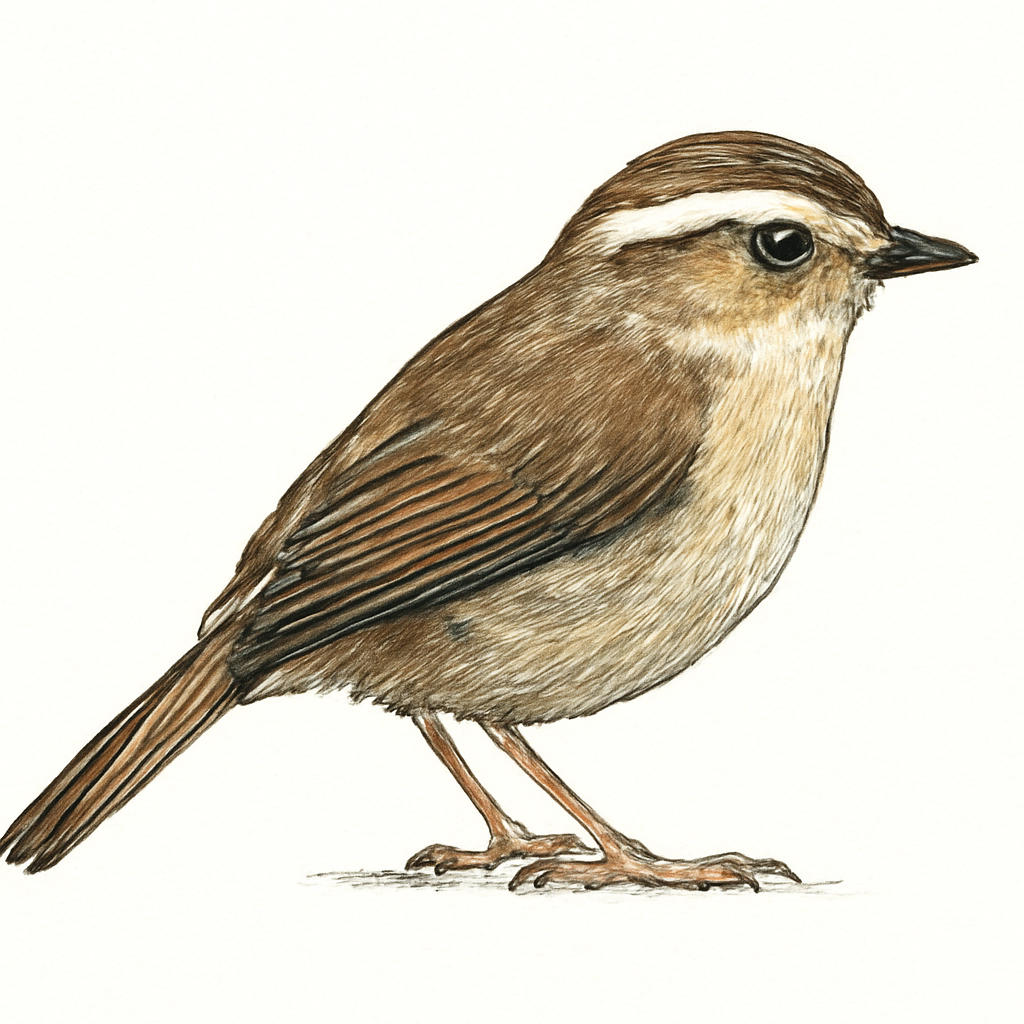
White-browed Fulvetta
Fulvetta vinipectus
Parrotbills (Paradoxornithidae) · Passeriformes · Parrotbills, Wrentit, and Allies
Play a quiz with White-browed Fulvetta and similar species
View all photos, video and sound
Review needed
Motmot is a community-driven project, and many photos still need a human check. If you know this bird, you can help by reviewing its images.
O-o, we ran out of AI credits. I develop Motmot in my spare time, and there is no funding behind it right now. If you would like to help it grow, write to me at info@motmot.club.
How to identify White-browed Fulvetta
Writing identification notes…
This looks up identification notes in open sources, then asks the model to write them. It can take a minute.
Log in to generate identification notes for this bird.
Often mixed up with
In quizzes, players most often confuse White-browed Fulvetta with these birds—either this species was picked by mistake, or the other way around.
| Species | Mix-ups |
|---|---|
| Great Eared-Nightjar Lyncornis macrotis | 1 |
| Yellow-eyed Babbler Chrysomma sinense | 1 |
| Brown-throated Fulvetta Fulvetta ludlowi | 1 |
Family
The parrotbills are a family, Paradoxornithidae, of passerine birds that are primarily native to East, Southeast and South Asia, with a single species in western North America, though feral populations exist elsewhere. They are generally small birds that inhabit reedbeds, forests and similar habitats. The traditional parrotbills feed mainly on seeds, e.g.
Order
A passerine () is any bird of the order Passeriformes (; from Latin passer 'sparrow' and formis '-shaped'), which includes more than half of all bird species. Sometimes known as perching birds, passerines generally have an anisodactyl arrangement of their toes (three pointing forward and one back), which facilitates perching. With more than 140 families and some 6,500 identified species, Passeriformes is the largest order of birds and one of the most diverse clades of terrestrial vertebrates, representing 60% of …