

chapim-montês vs chapim-azul
Poecile montanus versus Cyanistes caeruleus
Jogue um quiz com chapim-montês e chapim-azul
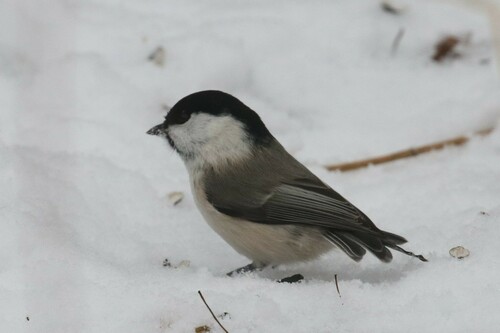 chapim-montês
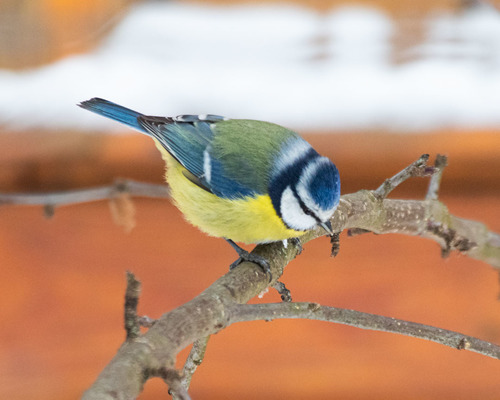 chapim-azul
Em resumo
A marca de campo mais confiável para separar o chapim-montês do chapim-azul em qualquer idade ou estação é a cor geral da plumagem: o chapim-montês é um pássaro cinza-marrom e buff sem graça, com uma touca e um babador pretos, enquanto o chapim-azul é strikingly azul e amarelo, com uma coroa azul e bochechas brancas. Os juvenis de chapim-azul podem parecer mais amarelos e menos contrastantes, mas ainda mostram azul nas asas e na cauda, nunca presente no chapim-montês. O painel de asa buff pálido do chapim-montês (borda das secundárias) pode ser uma marca sutil, mas útil em pássaros empoleirados. A estrutura e o tamanho são semelhantes, mas o chapim-azul frequentemente parece mais compacto e ativo. As vocalizações são muito diferentes, e a sobreposição de habitat é ampla, mas o chapim-montês prefere áreas mais úmidas e arborizadas.
Dicas de identificação
- Cor geral: O chapim-montês é sempre cinza-marrom e buff sem graça, com uma touca e um babador pretos; o chapim-azul é azul, amarelo e branco, mesmo nos juvenis.
- Azul na plumagem: Qualquer indício de azul na coroa, asas ou cauda elimina o chapim-montês em qualquer idade.
- Touca e face: A touca do chapim-montês é preta opaca (sujeira, não brilhante) e se estende até a nuca; a coroa do chapim-azul é azul brilhante, com uma linha azul escura através do olho e ao redor das bochechas brancas.
- Painel de asa: O chapim-montês mostra uma mancha buff pálida na asa fechada (borda das secundárias), frequentemente visível quando empoleirado; o chapim-azul tem uma barra de asa branca e coberturas de asa azuis.
- Partes inferiores: O chapim-montês é buff por baixo, com flancos ruivos; o chapim-azul é amarelo brilhante por baixo, com uma linha escura ao longo da barriga (adultos), e os juvenis são ainda mais amarelos.
- Cor das costas: O chapim-montês tem costas cinza-marrom simples; as costas do chapim-azul são verde-amareladas.
- Bico: O chapim-montês tem um bico fino e escuro; o bico do chapim-azul também é escuro, mas parece mais curto devido à cabeça mais arredondada.
- Confusão juvenil: Os juvenis de chapim-azul são mais amarelos e menos contrastantes, mas ainda mostram azul nas asas/cauda; os juvenis de chapim-montês parecem adultos sem graça, nunca azuis ou amarelos.
- Comportamento: Os chapins-azuis são acrobáticos, frequentemente pendurados de cabeça para baixo; os chapins-montês são mais reservados e raramente vistos em comedouros.
- Habitat: O chapim-montês prefere florestas jovens e úmidas, especialmente com bétulas/variantes/álamos; o chapim-azul é comum em jardins e parques.
- Voz: O chamado do chapim-montês é nasal e plano ("zee, zee, zee" ou "ipsee, ipsee"); os chamados do chapim-azul são agudos, finos e mais musicais.
- Voo: O chapim-azul frequentemente parece saltitante e energético em voo; o chapim-montês é mais direto e menos conspícuo.
- Sexo/estação: Ambas as espécies são semelhantes entre os sexos; os machos de chapim-azul têm coroas azuis mais brilhantes sob UV, mas isso não é visível para os humanos.
- Tamanho: Não é um separador confiável; ambos são muito semelhantes em tamanho e massa.
- Armadilhas: Em luz fraca ou à distância, o azul e o amarelo do chapim-azul podem parecer atenuados, mas o padrão geral (coroa azul, bochechas brancas, amarelo por baixo) ainda está presente. O chapim-montês nunca mostra azul ou amarelo em qualquer plumagem.
Tamanho
Ambas as espécies são muito semelhantes em tamanho e massa, com o chapim-montês pesando cerca de 11 g e o chapim-azul pesando 11,8 g [wikidata]. O comprimento e a envergadura se sobrepõem (chapim-montês: 11,5 cm, 17–20,5 cm; chapim-azul: 10,5–12 cm, 17,5–20 cm) [wikipedia]. No campo, o tamanho não é um separador confiável. O chapim-azul pode parecer ligeiramente mais compacto e com cabeça arredondada, mas isso é sutil e facilmente mal interpretado.
Plumagem
- Juvenis/Pássaros de primeiro ano: Os juvenis de chapim-azul são mais amarelos no geral, com menos contraste, mas ainda mostram azul nas asas, cauda e coroa. Os juvenis de chapim-montês se assemelham aos adultos: cinza-marrom por cima, buff por baixo, com uma touca e um babador pretos, e nunca mostram azul ou amarelo.
- Adultos: O chapim-montês é cinza-marrom simples por cima, buff por baixo, com uma touca preta opaca que se estende até a nuca e um babador preto. O rosto é branco, e os flancos são distintamente ruivos. Um painel buff pálido (borda das secundárias) é visível na asa fechada. Os adultos de chapim-azul são inconfundíveis: coroa azul, asas e cauda azuis, bochechas brancas contornadas por uma linha azul, partes inferiores amarelas com uma linha central escura, e costas esverdeadas. A barra de asa branca e a cauda azul estão sempre presentes.
- Sexos: Ambas as espécies são sexualmente semelhantes no campo, embora os machos de chapim-azul tenham uma coroa azul mais brilhante sob UV (não visível para os humanos).
Comportamento
Os chapins-azuis são acrobáticos, frequentemente pendurados de cabeça para baixo enquanto forrageiam e visitam comedouros e mesas para pássaros com frequência. Eles podem descascar cascas ou sondar botões, e raramente são vistos no chão. Os chapins-montês são mais reservados, forrageando silenciosamente em arbustos e árvores, e são menos propensos a visitar comedouros. Os chapins-montês escavam seus próprios buracos de ninho em madeira podre, um comportamento não observado em chapins-azuis. Em voo, os chapins-azuis podem parecer mais enérgicos e saltitantes, enquanto os chapins-montês são mais diretos e menos conspícuos.
Habitat
Ambas as espécies ocorrem em habitats de floresta e borda, mas o chapim-montês prefere florestas mais úmidas, muitas vezes mais úmidas, com bétulas jovens, álamos e salgueiros, e é menos comum em jardins. O chapim-azul é altamente adaptável, encontrado em jardins, parques, florestas decíduas e mistas, e é muito mais provável de ser visto em comedouros. O habitat sozinho não é diagnóstico, mas o chapim-montês é notavelmente escasso em ambientes urbanos e suburbanos onde o chapim-azul é abundante.
Voz
As vocalizações são muito diferentes e podem ser diagnósticas. O chapim-montês emite um chamado nasal "zee, zee, zee" ou um chamado repetido "ipsee, ipsee", que é plano e carece da qualidade musical do chapim-azul. O chapim-azul tem um amplo repertório, mas os chamados típicos são notas agudas e finas "tsee-tsee-tsee" e sons de advertência, chiados. O canto do chapim-azul é um trinado rápido e agudo ou uma série de notas, nunca nasal ou plano como o do chapim-montês.