

abibe-de-cauda-branca vs borrelho-oriental
Vanellus leucurus versus Anarhynchus veredus
Jogue um quiz com abibe-de-cauda-branca e borrelho-oriental
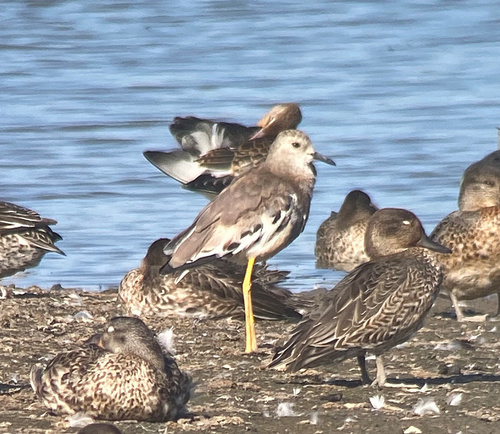 abibe-de-cauda-branca
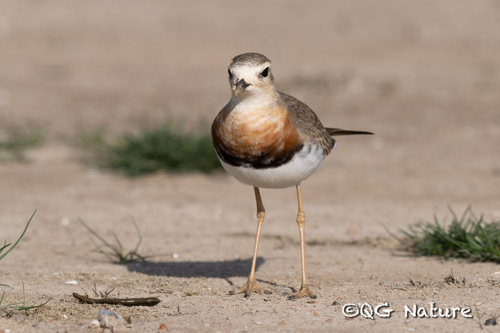 borrelho-oriental
Em resumo
A marca de campo mais confiável entre abibe-de-cauda-branca e borrelho-oriental é a cauda branca pura e o padrão de asas ousado e contrastante do abibe-de-cauda-branca em voo, em comparação com a aparência mais suave, uniformemente marrom e branca do borrelho-oriental. Abibes-de-cauda-branca juvenis podem mostrar algum marrom na cauda e um dorso escamoso, mas ainda têm uma base de cauda branca distinta e uma asa superior contrastante. Diferenças estruturais também são fundamentais: o abibe-de-cauda-branca tem pernas mais longas e é mais esbelto, com um bico mais longo, enquanto o borrelho-oriental é mais compacto e exibe uma faixa peitoral castanha impressionante em machos em época de reprodução. Ambas as espécies podem ser vistas em habitats abertos e úmidos, mas o abibe é mais provável de ser encontrado em águas mais profundas.
Dicas de identificação
- Cauda branca em voo (todas as idades): O abibe-de-cauda-branca sempre mostra uma cauda branca pura, muito óbvia em voo e ao pousar. O borrelho-oriental tem uma cauda marrom sem base branca, então qualquer ave com uma cauda branca é um abibe.
- Padrão de asas em voo: O abibe-de-cauda-branca tem um padrão de asas superior impressionante em marrom, branco e preto, visível em todas as plumagens, enquanto as asas do borrelho-oriental são mais uniformemente marrom e branca, sem contraste ousado.
- Padrão do dorso juvenil: O abibe-de-cauda-branca juvenil mostra um dorso escamoso e algum marrom na cauda, mas a base da cauda branca e o contraste da asa superior permanecem. Os juvenis de borrelho-oriental são cinza-marrom simples acima, sem padrão escamoso ou forte contraste na cauda.
- Comprimento e cor das pernas: O abibe-de-cauda-branca tem pernas muito longas e amarelas brilhantes, fazendo-o parecer alto e semelhante a um pernilongo. As pernas do borrelho-oriental são mais curtas e menos coloridas.
- Comprimento do bico: O abibe-de-cauda-branca tem um bico mais longo e ligeiramente curvado para baixo, enquanto o bico do borrelho-oriental é mais curto e reto.
- Forma geral e postura: O abibe se mantém alto e ereto, muitas vezes em águas mais profundas; o borrelho-oriental é mais compacto e agachado, raramente se aventurando em águas.
- Faixa peitoral da plumagem de reprodução: O macho do borrelho-oriental em plumagem de reprodução tem uma ampla faixa peitoral castanha contornada por uma linha preta estreita, que nunca é mostrada pelo abibe. Fêmeas e aves não reprodutoras não têm isso, mas podem mostrar um rosto pálido e supercílios.
- Padrão facial: O abibe tem um rosto mais claro e peito cinza, enquanto o borrelho-oriental (especialmente o macho em reprodução) tem um rosto, garganta e coroa anterior brancos, com uma coroa posterior e dorso cinza-marrom.
- Contexto de habitat: Se visto se aventurando em água, especialmente mais profunda que a altura do tornozelo, é quase certamente um abibe. Em solo seco aberto, especialmente em pastagens, o borrelho-oriental é mais provável.
- Comportamento de forrageamento: O abibe pega presas da superfície da água; o borrelho-oriental corre e pausa em solo seco.
- Tamanho do grupo: O abibe pode ser visto em pequenos bandos, especialmente fora da temporada de reprodução; o borrelho-oriental é frequentemente solitário ou em grupos soltos.
- Voz: O abibe emite um chamado 'peewit'; o chamado do borrelho-oriental não é descrito aqui, então use com cautela.
- Contexto sazonal: O abibe se reproduz em pântanos do Iraque, Irã e sul da Rússia, e inverna mais ao sul; o borrelho-oriental se reproduz na Mongólia e na China, invernando na Austrália e na Indonésia. A vagância é rara para ambos, mas o contexto pode ajudar.
- Armadilhas: Abibes juvenis com marrom na cauda podem confundir, mas a base branca e o padrão das asas ainda são diagnósticos. Borrelhos-orientais não reprodutores são mais simples, mas nunca mostram uma cauda branca ou contraste ousado nas asas.
- Quando em dúvida: Concentre-se na cor da cauda em voo e no comprimento das pernas quando empoleiradas—esses são os marcadores de campo mais confiáveis em todas as idades e estações.
Tamanho
Ambas as espécies são limícolas de tamanho médio, mas o borrelho-oriental é ligeiramente menor no geral (comprimento 21–25 cm, envergadura 46–53 cm, peso em torno de 95 g [wikipedia]). O abibe-de-cauda-branca é descrito como de tamanho médio e esbelto, com pernas e bico proporcionalmente mais longos, dando-lhe uma aparência mais alta e elegante. O borrelho-oriental é mais compacto, com pernas mais curtas em relação ao comprimento do corpo, e não parece tão alto ou esguio quanto o abibe.
Plumagem
- Aves juvenis/imaturas: Os juvenis do abibe-de-cauda-branca têm um dorso escamoso e podem mostrar algum marrom na cauda, mas a base da cauda permanece em grande parte branca e a asa superior ainda mostra forte contraste entre marrom, branco e preto. Os juvenis e aves não reprodutoras do borrelho-oriental são geralmente cinza-marrom acima com um ventre branco e um rosto pálido, sem qualquer forte contraste nas asas ou na cauda em voo.
- Plumagem de reprodução adulta: Os adultos do abibe-de-cauda-branca têm um dorso e pescoço anterior marrons, rosto mais claro, peito cinza e uma cauda branca pura, com longas pernas amarelas. A asa superior é impressionantemente padronizada com marrom, branco e preto. Os machos do borrelho-oriental em plumagem de reprodução têm um rosto, garganta e coroa anterior brancos, coroa posterior e dorso cinza-marrom, um ventre branco, uma faixa preta estreita e uma ampla faixa peitoral castanha. Fêmeas e machos não reprodutores são mais simples, com partes superiores cinza-marrom e partes inferiores brancas, e um rosto pálido com um supercílio branco.
- Vistas em voo: O abibe-de-cauda-branca mostra uma cauda branca distinta e um forte contraste nas asas em todas as idades, enquanto o borrelho-oriental em voo aparece mais uniforme, sem forte padrão na cauda ou nas asas.
Comportamento
O abibe-de-cauda-branca é mais provável de ser visto se aventurando em águas mais profundas, pegando presas da superfície, e muitas vezes se mantém alto e ereto devido às suas longas pernas. O borrelho-oriental é geralmente encontrado em solo mais seco, frequentemente correndo e pausando de maneira típica de um borrelho, e parece mais compacto e menos ereto. Abibes podem ser vistos em pequenos grupos, especialmente durante a migração, enquanto borrelhos-orientais são frequentemente solitários ou em bandos soltos.
Habitat
O abibe-de-cauda-branca prefere pântanos interiores, lagos rasos e bordas de zonas úmidas, e é o único abibe que provavelmente será visto em águas mais profundas que a altura do tornozelo. O borrelho-oriental prefere pastagens secas, planícies abertas e às vezes as bordas de zonas úmidas, mas raramente se aventura em água. Se a ave for vista forrageando em água aberta, o abibe-de-cauda-branca é muito mais provável.
Voz
O abibe-de-cauda-branca emite um chamado 'peewit', semelhante ao abibe, especialmente na época de reprodução. As vocalizações do borrelho-oriental não são descritas nas notas fornecidas, então a voz não é um separador confiável aqui.
abibe-de-cauda-branca · borrelho-oriental · Minhas aves difíceis