
gaivina-dos-pauis vs trinta-réis-boreal
Chlidonias hybrida versus Sterna hirundo
Jogue um quiz com gaivina-dos-pauis e trinta-réis-boreal
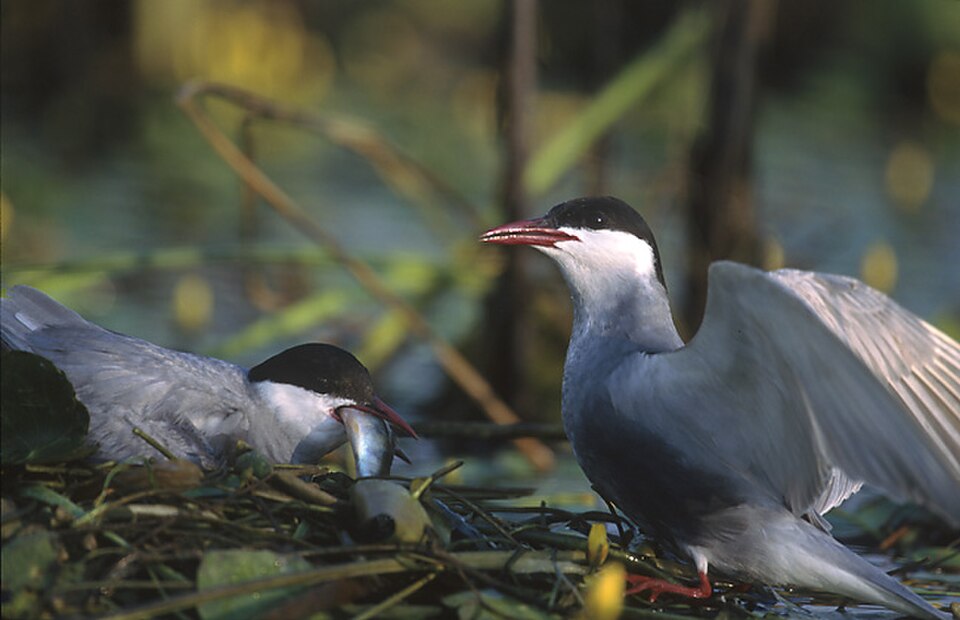 gaivina-dos-pauis
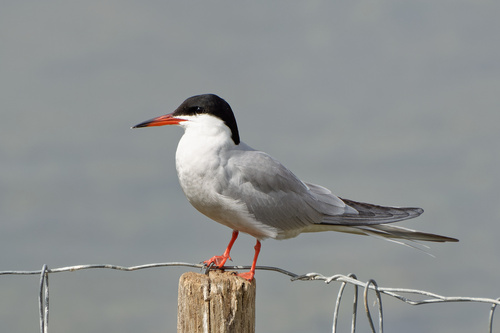 trinta-réis-boreal
Em resumo
Os trinta-réis-dos-pauis juvenis e de primeiro inverno apresentam um padrão escamoso distinto de gengibre e buff nas costas e no manto, enquanto os trinta-réis-boreais juvenis não possuem essa característica e são geralmente mais simples na parte superior. Os trinta-réis-dos-pauis adultos em plumagem de reprodução são mais escuros no geral, com um corpo cinza escuro tanto acima quanto abaixo, e têm uma cauda curta e bifurcada, enquanto os trinta-réis-boreais são mais claros, com um lado inferior branco e uma cauda mais longa e mais profundamente bifurcada. A cor do bico e das pernas pode ajudar: os trinta-réis-dos-pauis têm um bico forte e vermelho e pernas vermelhas, enquanto os trinta-réis-boreais têm um bico laranja-vermelho com uma ponta preta e pernas vermelhas brilhantes. Em voo, os trinta-réis-dos-pauis parecem mais semelhantes a trinta-réis de pântano, com uma aparência menos elegante e mais semelhante a andorinhas em comparação com o voo mais elegante e direto dos trinta-réis-boreais. O habitat também pode ajudar: os trinta-réis-dos-pauis são mais prováveis de serem encontrados sobre pântanos interiores, enquanto os trinta-réis-boreais são tipicamente costeiros.
Dicas de identificação
- Partes superiores juvenis/primeiro inverno: Procure o padrão escamoso de gengibre e buff nas costas e no manto dos juvenis de trinta-réis-dos-pauis—isso está ausente nos juvenis de trinta-réis-boreais, que são mais simples na parte superior.
- Partes inferiores de reprodução de adultos: Os adultos de trinta-réis-dos-pauis são cinza escuro abaixo, enquanto os adultos de trinta-réis-boreais são brancos abaixo—essa é uma diferença chave à distância.
- Forma e comprimento da cauda: O trinta-réis-dos-pauis tem uma cauda curta e levemente bifurcada; o trinta-réis-boreais tem uma cauda longa e profundamente bifurcada que muitas vezes se projeta bem além das pontas das asas quando empoleirado.
- Cor e forma do bico: O trinta-réis-dos-pauis tem um bico forte e vermelho (machos mais longos, fêmeas mais curtas), enquanto o trinta-réis-boreais tem um bico laranja-vermelho com uma ponta preta (exceto em algumas subespécies).
- Cor das pernas: Ambas as espécies têm pernas vermelhas, mas as do trinta-réis-dos-pauis são frequentemente de um vermelho mais profundo; isso pode ser sutil e variável.
- Padrão da cabeça: O trinta-réis-dos-pauis apresenta uma faixa preta em forma de C unindo as coberturas auriculares e a coroa posterior, com uma área branca manchada acima; o trinta-réis-boreais tem uma touca preta mais limpa e bochechas brancas.
- Estilo de voo: O trinta-réis-dos-pauis é mais semelhante a uma andorinha e mais leve em voo, frequentemente flutuando sobre pântanos; o trinta-réis-boreais é mais direto e intencional, com asas mais rígidas e triangulares.
- Contexto do habitat: O trinta-réis-dos-pauis é mais frequentemente encontrado sobre pântanos interiores e zonas úmidas; o trinta-réis-boreais é geralmente costeiro, especialmente fora da temporada de reprodução.
- Cor da região posterior: A região posterior do trinta-réis-dos-pauis é cinza claro durante todo o ano; a região posterior do trinta-réis-boreais pode ser acinzentada na plumagem não reprodutiva, mas geralmente é menos distinta.
- Mudanças sazonais: No inverno, o trinta-réis-dos-pauis desenvolve uma testa branca e um corpo mais claro, mas ainda parece mais escuro do que o trinta-réis-boreais, que permanece claro abaixo.
- Voz: Ouça o 'krekk' do trinta-réis-dos-pauis em comparação com os chamados mais agudos e estridentes do trinta-réis-boreais.
- Aparência empoleirada: O trinta-réis-dos-pauis parece mais compacto e 'semelhante a uma andorinha' quando empoleirado; o trinta-réis-boreais fica mais alto e parece mais alongado.
- Cor do manto (adulto): O trinta-réis-dos-pauis tem um manto cinza prateado em adultos; o manto do trinta-réis-boreais é cinza mais claro.
- Diferenças sexuais (trinta-réis-dos-pauis): Os machos têm um bico mais longo e forte do que as fêmeas, mas ambos os sexos são estruturalmente mais compactos do que o trinta-réis-boreais.
- Armadilhas: Cuidado com os trinta-réis-dos-pauis não reprodutivos, que podem parecer muito mais claros e menos distintos; sempre verifique a cauda curta e a estrutura geral.
Tamanho
O trinta-réis-dos-pauis é ligeiramente mais pesado (massa corporal ~84g [wikidata]), mas a diferença de tamanho geral é sutil e não confiável em campo. Ambos são trinta-réis de tamanho médio, mas o trinta-réis-boreais tende a parecer mais longo e mais aerodinâmico devido à sua cauda e asas mais longas, enquanto o trinta-réis-dos-pauis parece mais compacto e 'semelhante a uma andorinha' em forma. O comprimento do bico é variável, mas os machos de trinta-réis-dos-pauis têm um bico mais longo e forte do que as fêmeas, que podem parecer mais curtas.
Plumagem
- Juvenil/Primeiro inverno: Os juvenis de trinta-réis-dos-pauis têm um padrão escamoso de gengibre e buff nas costas e no manto, com largas bordas e barras buff nas penas das escápulas e nas penas das costas. Isso dá uma aparência distintamente variegada e 'escamosa', às vezes com novas penas cinzas aparecendo no início do outono. Os juvenis de trinta-réis-boreais são mais simples na parte superior, sem a escama de gengibre e buff, e não apresentam o mesmo padrão de manto variegado.
- Adulto em reprodução: Os adultos de trinta-réis-dos-pauis são cinza escuro acima e abaixo, com bochechas brancas, uma touca preta e uma cauda curta e bifurcada. Os adultos de trinta-réis-boreais são cinza claro acima, brancos abaixo, com uma touca preta e uma cauda mais longa e mais profundamente bifurcada.
- Adulto não reprodutivo: O trinta-réis-dos-pauis desenvolve uma testa branca e um corpo cinza mais claro, mas mantém uma região posterior cinza clara. O trinta-réis-boreais na plumagem não reprodutiva pode ter uma região posterior acinzentada, mas permanece mais claro abaixo do que o trinta-réis-dos-pauis.
- Padrão da cabeça: As coberturas auriculares pretas do trinta-réis-dos-pauis se juntam à coroa posterior, formando uma faixa preta em forma de C com branco manchado acima, e o colar é menos definido. O trinta-réis-boreais mantém uma touca preta mais limpa e bochechas brancas, especialmente na plumagem de reprodução.
- Cauda: A cauda do trinta-réis-dos-pauis é curta e apenas levemente bifurcada, enquanto a do trinta-réis-boreais é longa e profundamente bifurcada, frequentemente se estendendo bem além das pontas das asas quando empoleirada.
Comportamento
O trinta-réis-dos-pauis frequentemente parece mais leve e semelhante a uma andorinha em voo, com um estilo de voo menos direto e mais flutuante, especialmente sobre pântanos. O trinta-réis-boreais é mais aerodinâmico, com um voo poderoso e direto e asas mais pontiagudas, frequentemente visto fazendo voos mais longos e intencionais sobre águas abertas. Quando empoleirado, o trinta-réis-boreais fica mais alto sobre pernas mais longas, enquanto o trinta-réis-dos-pauis parece mais compacto.
Habitat
O trinta-réis-dos-pauis é tipicamente encontrado sobre pântanos interiores, lagos e zonas úmidas, frequentemente reproduzindo-se em colônias entre a vegetação aquática. O trinta-réis-boreais prefere habitats costeiros, reproduzindo-se em praias de areia ou cascalho, ilhas e às vezes lagos interiores, mas é mais frequentemente visto ao longo de costas e estuários durante migrações e invernos. A sobreposição pode ocorrer em grandes corpos d'água interiores, mas o contexto é uma pista útil.
Voz
O trinta-réis-dos-pauis emite um chamado característico de 'krekk', que é diferente dos chamados mais agudos e penetrantes do trinta-réis-boreais. Os chamados do trinta-réis-boreais são mais agudos e estridentes, frequentemente descritos como 'kee-arr' ou 'kreee'. As vocalizações podem ser úteis quando os pássaros estão em voo ou ocultos.
gaivina-dos-pauis · trinta-réis-boreal · Minhas aves difíceis