

cruza-bico-escocês vs cruza-bico
Loxia scotica versus Loxia curvirostra
Jogue um quiz com cruza-bico-escocês e cruza-bico
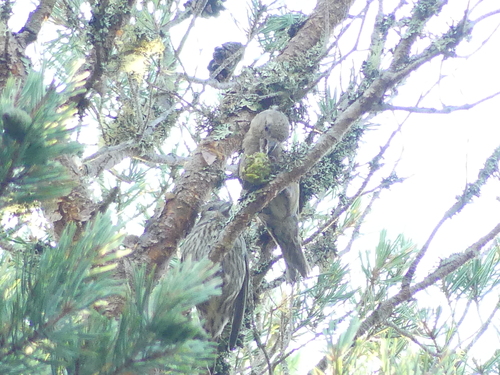 cruza-bico-escocês
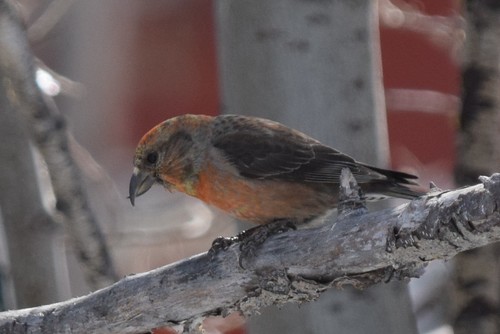 cruza-bico
Em resumo
O cruza-bico-escocês e o cruza-bico são quase impossíveis de distinguir apenas pela plumagem, mesmo a curta distância, já que ambos compartilham o bico cruzado característico e coloração semelhante em todas as idades e sexos. A marca de campo mais confiável é o canto: o cruza-bico-escocês tem um canto distinto de 'jip', mas mesmo isso é melhor confirmado por análise de sonograma. O tamanho do bico é ligeiramente maior em média no cruza-bico-escocês, mas as faixas se sobrepõem bastante, tornando-o pouco confiável em campo. Ambas as espécies podem apresentar machos vermelhos/laranja e fêmeas verdes/amarelas, e sua estrutura e comportamento são muito semelhantes. A menos que você esteja no coração das Terras Altas da Escócia e consiga gravar os cantos, separar esses dois em campo é extremamente desafiador.
Dicas de identificação
- Os cantos são a chave: A única marca de campo consistentemente confiável é o canto. O cruza-bico-escocês tem um canto distinto de 'jip', mas isso é melhor confirmado por gravação e análise de sonograma. A separação em campo pelo ouvido é muito difícil devido à sobreposição e variação.
- Sobreposição do tamanho do bico: O cruza-bico-escocês tem um bico ligeiramente maior e mais profundo que o cruza-bico, mas as faixas se sobrepõem tanto que o tamanho do bico não é uma marca de campo segura, a menos que você tenha uma grande amostra ou comparação direta com indivíduos conhecidos.
- A plumagem não é útil: Ambas as espécies apresentam machos vermelhos/laranja, fêmeas verdes/amarelas e juvenis cinza-esverdeados e listrados. Não há diferenças consistentes na plumagem das asas, cauda ou corpo em qualquer idade.
- Sem padrão de asa diagnóstico: Nenhuma das espécies apresenta barras nas asas ou painéis contrastantes; ambas têm asas marrons-pretas simples em todas as idades e sexos.
- Contexto de habitat: O cruza-bico-escocês é restrito às florestas de pinheiros caledônios das Terras Altas da Escócia, mas o cruza-bico também pode estar presente lá, especialmente em anos de irruptão. Se você estiver fora das Terras Altas, o cruza-bico-escocês é extremamente improvável.
- Composição do bando: Ambas as espécies podem se reunir, especialmente fora da temporada de reprodução, então bandos mistos são possíveis e não ajudam na identificação.
- Comportamento alimentar: Ambas as espécies se alimentam da mesma maneira, abrindo os cones de coníferas com seus bicos cruzados. A técnica de alimentação não é um separador.
- Comportamento e estrutura: O tamanho, forma e postura gerais são indistinguíveis em campo. O tamanho do bico é apenas marginalmente útil e somente em comparação direta com aves conhecidas.
- Variação de sexo e idade: Ambas as espécies apresentam ampla variação na cor e forma do bico por idade e sexo, mas essas variações se sobrepõem extensivamente entre as duas.
- Comportamento irruptivo: O cruza-bico é altamente irruptivo e pode aparecer em grandes números longe das áreas de reprodução, mas o cruza-bico-escocês é mais sedentário. No entanto, isso não é uma marca confiável para uma única ave.
- Gravando cantos: Se você suspeitar de um cruza-bico-escocês, tente gravar o canto para análise posterior de sonograma, pois essa é a única maneira de confirmar a identificação na maioria dos casos.
- Status de conservação: O cruza-bico-escocês é de alta preocupação de conservação e endêmico da Escócia, portanto, deve-se ter cuidado extra antes de afirmar uma observação.
- Cuidado com híbridos e introgressão: As duas espécies são reprodutivamente isoladas, mas a possibilidade de híbridos ou identificação errônea com o cruza-bico-papagaio complica ainda mais a identificação em campo.
- Não confie apenas em guias de campo: A maioria dos guias de campo admite que a separação é quase impossível sem análise de canto.
- Quando em dúvida, deixe sem identificação: Se você não puder confirmar o canto, é melhor deixar a ave como 'crossbill sp.' em vez de arriscar uma identificação errônea.
Tamanho
O cruza-bico-escocês tem uma média de 43g de massa corporal, que está dentro da faixa do cruza-bico, embora pesos comparativos precisos não sejam fornecidos. Estruturalmente, o bico do cruza-bico-escocês é intermediário em tamanho entre o cruza-bico e o cruza-bico-papagaio, mas há uma sobreposição extensa, então o tamanho não é uma marca de campo confiável. Ambas as espécies são pequenos e robustos tentilhões com proporções semelhantes.
Plumagem
Não há diferenças consistentes de plumagem entre o cruza-bico-escocês e o cruza-bico em qualquer idade. Ambas as espécies têm asas marrons-pretas sem barras nas asas, e ambos os sexos e todas as idades podem mostrar variação considerável na cor do corpo, de vermelho/laranja nos machos a verde/amarelo nas fêmeas, com juvenis sendo cinza-esverdeados e listrados. Nenhum padrão distintivo de asa superior juvenil ou imaturo é notado para qualquer uma das espécies. A variação individual dentro de cada espécie excede quaisquer diferenças entre elas.
Comportamento
Ambas as espécies são altamente especializadas para se alimentar de cones de coníferas, usando suas mandíbulas cruzadas para extrair sementes. Seu comportamento de forrageamento, estilo de voo e tendências de agrupamento são semelhantes. O cruza-bico-escocês é mais propenso a ser residente e ligado a florestas de pinheiros locais, enquanto o cruza-bico é mais irruptivo e nômade, mas isso não é uma marca de campo confiável em um único encontro.
Habitat
O cruza-bico-escocês é endêmico das florestas de pinheiros caledônios das Terras Altas da Escócia, frequentemente em pinheiros escoceses nativos e às vezes em plantações de lariço e pinheiro lodgepole. O cruza-bico é muito mais disseminado, reproduzindo-se em uma variedade de florestas de coníferas em toda a Eurásia e América do Norte, e é altamente irruptivo, aparecendo onde as colheitas de cones são abundantes. Na Escócia, ambas as espécies podem ocorrer juntas, então o habitat sozinho não é diagnóstico, mas o cruza-bico-escocês é restrito às Terras Altas.
Voz
A diferença mais confiável está no canto: o cruza-bico-escocês emite um canto metálico de 'jip', que é distinto dos vários tipos de canto do cruza-bico. No entanto, essas diferenças são sutis e geralmente requerem gravação e análise de sonograma para confirmação. Ambas as espécies são altamente variáveis em canto, e a identificação em campo pelo ouvido sozinho não é recomendada, a menos que você seja altamente experiente e familiarizado com os tipos de canto locais.