

Motmot

gaivota-de-bico-riscado vs Herring Gull

Larus delawarensis versus Larus argentatus

Jogue um quiz com gaivota-de-bico-riscado e Herring Gull
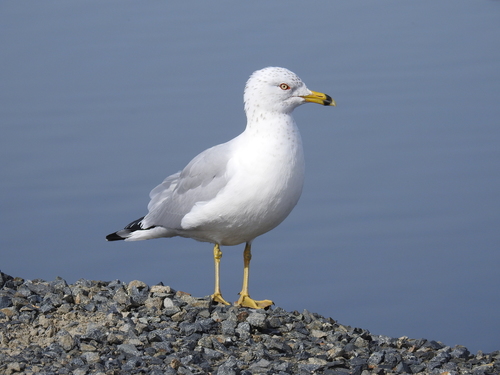
gaivota-de-bico-riscado (Larus delawarensis) gaivota-de-bico-riscado
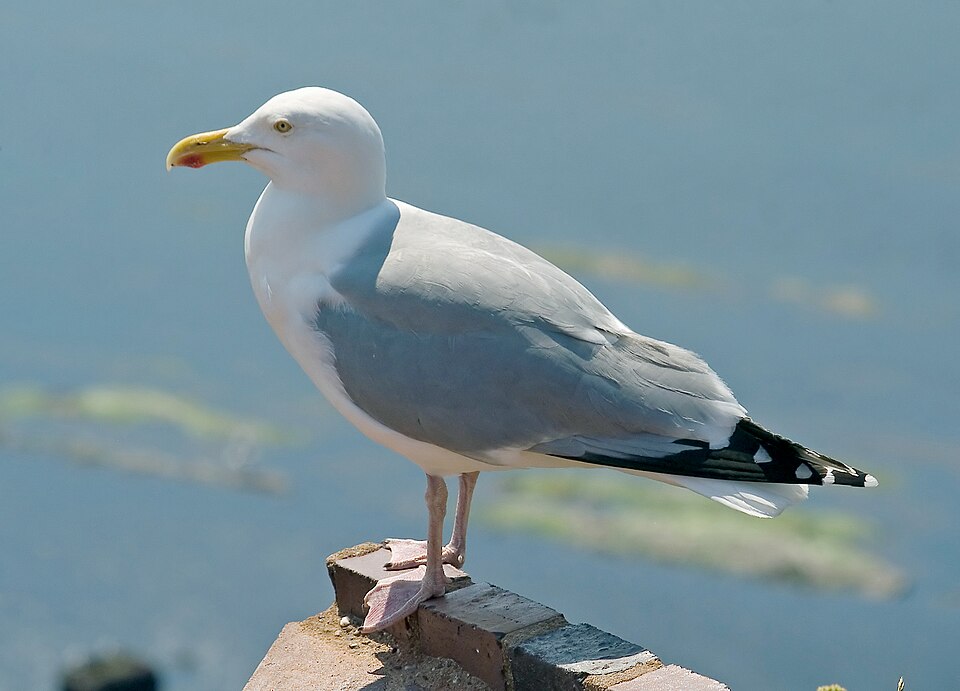
Herring Gull (Larus argentatus) Herring Gull

Mídia

Carregando…

Em resumo

The most reliable field mark between Ring-billed Gull and Herring Gull is leg color in adults: Ring-billed has yellow legs, while Herring Gull's are usually pink (except some Baltic birds). In flight or at rest, Herring Gulls are much bulkier and longer-winged, with a heavier bill and larger overall size. Juvenile and immature birds are trickier, but Herring Gull immatures are larger, duskier, and have a stouter, all-dark bill, while Ring-billed immatures are smaller, slimmer, and show a paler base to the bill by second winter. Bill pattern and leg color are the quickest checks; structure and size are also strong clues.

Dicas de identificação

  1. Leg Color (Adults): Ring-billed Gulls have yellow legs; Herring Gulls almost always have pink legs, except some Baltic birds (rarely yellowish). This is the fastest adult separation.
  2. Bill Pattern (Adults): Ring-billed Gulls show a yellow bill with a distinct black ring near the tip; Herring Gulls have a yellow bill with a red spot on the lower mandible and no black ring.
  3. Size and Structure: Herring Gulls are much larger, bulkier, and longer-winged. Their bill is thicker and longer, and their head and body are more robust. Ring-billed Gulls are medium-sized, slimmer, and have a shorter, finer bill.
  4. Eye Color (Adults): Both have pale eyes, but Ring-billed Gulls have yellow eyes with red orbital rings, while Herring Gulls have pale eyes with a yellow orbital ring.
  5. Juvenile/Immature Bill: Juvenile and first-winter Herring Gulls have a solid dark bill; Ring-billed Gulls have a dark bill that becomes paler at the base by second winter, often appearing bicolored.
  6. Plumage (Immatures): Both are brownish, but Herring Gulls are duskier and more heavily streaked, with a more uniform brown appearance. Ring-billed immatures are paler, with a more delicate pattern and smaller size.
  7. Wing Pattern (Adults): Both have black wingtips with white mirrors, but Herring Gulls have broader black areas and more extensive mirrors. This is subtle and best used with other marks.
  8. Leg Color (Immatures): Ring-billed Gulls' legs become yellowish earlier; Herring Gulls' legs remain pinkish throughout immaturity.
  9. Head Streaking (Non-breeding): Herring Gulls show brown streaking on the head and neck in winter; Ring-billed Gulls' head remains cleaner or only lightly streaked.
  10. Habitat (North America): In urban inland areas, Ring-billed is far more likely; Herring is more coastal but can overlap in winter.
  11. Behavior: Herring Gulls are more aggressive and dominant in mixed flocks; Ring-billeds are more likely to be seen in large, tight flocks in parking lots.
  12. Flight Jizz: Herring Gulls appear heavy and slow in flight; Ring-billed Gulls are lighter and more buoyant.
  13. Sex Differences: Both species are sexually monomorphic in plumage, but male Herring Gulls are noticeably larger than females, sometimes causing confusion with smaller gulls.
  14. Seasonal Pitfalls: In late winter and early spring, both species may show head streaking, but the pattern and extent differ (see above). Bill marks are reliable year-round in adults.
  15. Pitfall – Baltic Herring Gulls: Rare Baltic Herring Gulls may show yellowish legs, but their size and bill pattern still match Herring, not Ring-billed.

Tamanho

Herring Gull is substantially larger and heavier than Ring-billed Gull. Herring Gull males reach up to 66 cm in length and can weigh over 1,500 g, while Ring-billed Gulls are medium-sized, averaging 43–54 cm and about 518 g [wikidata]. Herring Gulls have a much broader wingspan (125–155 cm vs. 105–117 cm for Ring-billed). In the field, Herring Gulls look bulkier, with a more powerful build and a thicker, longer bill.

Plumagem

Juvenile and first-winter Herring Gulls are mostly brown with heavy streaking, a dark bill, and dark eyes. Their upperparts are uniformly brown and their legs are pink. Second-winter Herring Gulls start to show a greyer back, but retain brown in the wings and a mostly dark bill. Ring-billed Gull immatures are also brownish but smaller, with a more slender, shorter bill that becomes paler at the base by second winter. By third winter, Herring Gulls are nearly adult but may keep some brown wing feathers and a dark bill mark, while Ring-billed Gulls reach adult plumage faster (by third year), showing a clean yellow bill with a black ring and yellow legs. Adult Ring-billed Gulls have a light grey mantle, white head and underparts, yellow legs, and a yellow bill with a black ring; Herring Gulls have a paler grey mantle, white head and underparts, pink legs (rarely yellowish), and a yellow bill with a red spot. Both species have black wingtips with white 'mirrors,' but Herring's are broader and more extensive.

Comportamento

Both species are opportunistic omnivores and scavengers, often seen foraging in groups at landfills, beaches, and urban areas. Herring Gulls may be more aggressive and dominant, often displacing smaller gulls like Ring-billed. Both species steal food from other birds and people, but Herring Gulls are more likely to be seen dropping shellfish to break them or using bait. In flight, Herring Gulls appear heavier and more ponderous, while Ring-billed Gulls are lighter and more agile.

Habitat

Ring-billed Gulls are most common in inland North America, especially around lakes, rivers, and urban areas, and often gather in parking lots and parks. Herring Gulls are widespread along European coasts, but also occur inland and in urban settings. In North America, Herring Gulls are more coastal but can overlap with Ring-billed in winter or migration. Habitat alone is not diagnostic where ranges overlap, but Ring-billed is much more likely in urban inland settings in North America.

Enviar uma descrição melhor

Use as mesmas seções da comparação. Seu texto é publicado na hora.

The most reliable field mark between Ring-billed Gull and Herring Gull is leg color in adults: Ring-billed has yellow legs, while Herring Gull's are usually pink (except some Baltic birds). In flight or at rest, Herring Gulls are much bulkier and longer-winged, with a heavier bill and larger overall size. Juvenile and immature birds are trickier, but Herring Gull immatures are larger, duskier, and have a stouter, all-dark bill, while Ring-billed immatures are smaller, slimmer, and show a paler base to the bill by second winter. Bill pattern and leg color are the quickest checks; structure and size are also strong clues.

  1. Leg Color (Adults): Ring-billed Gulls have yellow legs; Herring Gulls almost always have pink legs, except some Baltic birds (rarely yellowish). This is the fastest adult separation.
  2. Bill Pattern (Adults): Ring-billed Gulls show a yellow bill with a distinct black ring near the tip; Herring Gulls have a yellow bill with a red spot on the lower mandible and no black ring.
  3. Size and Structure: Herring Gulls are much larger, bulkier, and longer-winged. Their bill is thicker and longer, and their head and body are more robust. Ring-billed Gulls are medium-sized, slimmer, and have a shorter, finer bill.
  4. Eye Color (Adults): Both have pale eyes, but Ring-billed Gulls have yellow eyes with red orbital rings, while Herring Gulls have pale eyes with a yellow orbital ring.
  5. Juvenile/Immature Bill: Juvenile and first-winter Herring Gulls have a solid dark bill; Ring-billed Gulls have a dark bill that becomes paler at the base by second winter, often appearing bicolored.
  6. Plumage (Immatures): Both are brownish, but Herring Gulls are duskier and more heavily streaked, with a more uniform brown appearance. Ring-billed immatures are paler, with a more delicate pattern and smaller size.
  7. Wing Pattern (Adults): Both have black wingtips with white mirrors, but Herring Gulls have broader black areas and more extensive mirrors. This is subtle and best used with other marks.
  8. Leg Color (Immatures): Ring-billed Gulls' legs become yellowish earlier; Herring Gulls' legs remain pinkish throughout immaturity.
  9. Head Streaking (Non-breeding): Herring Gulls show brown streaking on the head and neck in winter; Ring-billed Gulls' head remains cleaner or only lightly streaked.
  10. Habitat (North America): In urban inland areas, Ring-billed is far more likely; Herring is more coastal but can overlap in winter.
  11. Behavior: Herring Gulls are more aggressive and dominant in mixed flocks; Ring-billeds are more likely to be seen in large, tight flocks in parking lots.
  12. Flight Jizz: Herring Gulls appear heavy and slow in flight; Ring-billed Gulls are lighter and more buoyant.
  13. Sex Differences: Both species are sexually monomorphic in plumage, but male Herring Gulls are noticeably larger than females, sometimes causing confusion with smaller gulls.
  14. Seasonal Pitfalls: In late winter and early spring, both species may show head streaking, but the pattern and extent differ (see above). Bill marks are reliable year-round in adults.
  15. Pitfall – Baltic Herring Gulls: Rare Baltic Herring Gulls may show yellowish legs, but their size and bill pattern still match Herring, not Ring-billed.

Herring Gull is substantially larger and heavier than Ring-billed Gull. Herring Gull males reach up to 66 cm in length and can weigh over 1,500 g, while Ring-billed Gulls are medium-sized, averaging 43–54 cm and about 518 g [wikidata]. Herring Gulls have a much broader wingspan (125–155 cm vs. 105–117 cm for Ring-billed). In the field, Herring Gulls look bulkier, with a more powerful build and a thicker, longer bill.

Juvenile and first-winter Herring Gulls are mostly brown with heavy streaking, a dark bill, and dark eyes. Their upperparts are uniformly brown and their legs are pink. Second-winter Herring Gulls start to show a greyer back, but retain brown in the wings and a mostly dark bill. Ring-billed Gull immatures are also brownish but smaller, with a more slender, shorter bill that becomes paler at the base by second winter. By third winter, Herring Gulls are nearly adult but may keep some brown wing feathers and a dark bill mark, while Ring-billed Gulls reach adult plumage faster (by third year), showing a clean yellow bill with a black ring and yellow legs. Adult Ring-billed Gulls have a light grey mantle, white head and underparts, yellow legs, and a yellow bill with a black ring; Herring Gulls have a paler grey mantle, white head and underparts, pink legs (rarely yellowish), and a yellow bill with a red spot. Both species have black wingtips with white 'mirrors,' but Herring's are broader and more extensive.

Both species are opportunistic omnivores and scavengers, often seen foraging in groups at landfills, beaches, and urban areas. Herring Gulls may be more aggressive and dominant, often displacing smaller gulls like Ring-billed. Both species steal food from other birds and people, but Herring Gulls are more likely to be seen dropping shellfish to break them or using bait. In flight, Herring Gulls appear heavier and more ponderous, while Ring-billed Gulls are lighter and more agile.

Ring-billed Gulls are most common in inland North America, especially around lakes, rivers, and urban areas, and often gather in parking lots and parks. Herring Gulls are widespread along European coasts, but also occur inland and in urban settings. In North America, Herring Gulls are more coastal but can overlap with Ring-billed in winter or migration. Habitat alone is not diagnostic where ranges overlap, but Ring-billed is much more likely in urban inland settings in North America.

Descartar as alterações?

Você tem edições não salvas. Se sair agora, elas serão perdidas.

gaivota-de-bico-riscado · Herring Gull · Minhas aves difíceis