

papa-moscas-real vs rabirruivo-de-testa-branca
Ficedula parva versus Phoenicurus phoenicurus
Jogue um quiz com papa-moscas-real e rabirruivo-de-testa-branca
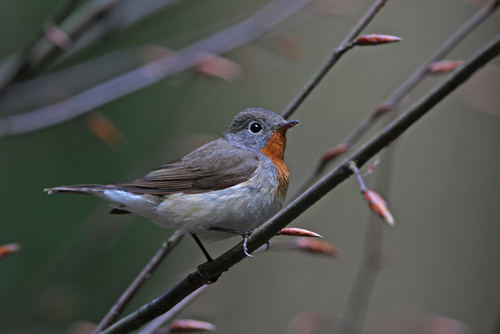 papa-moscas-real
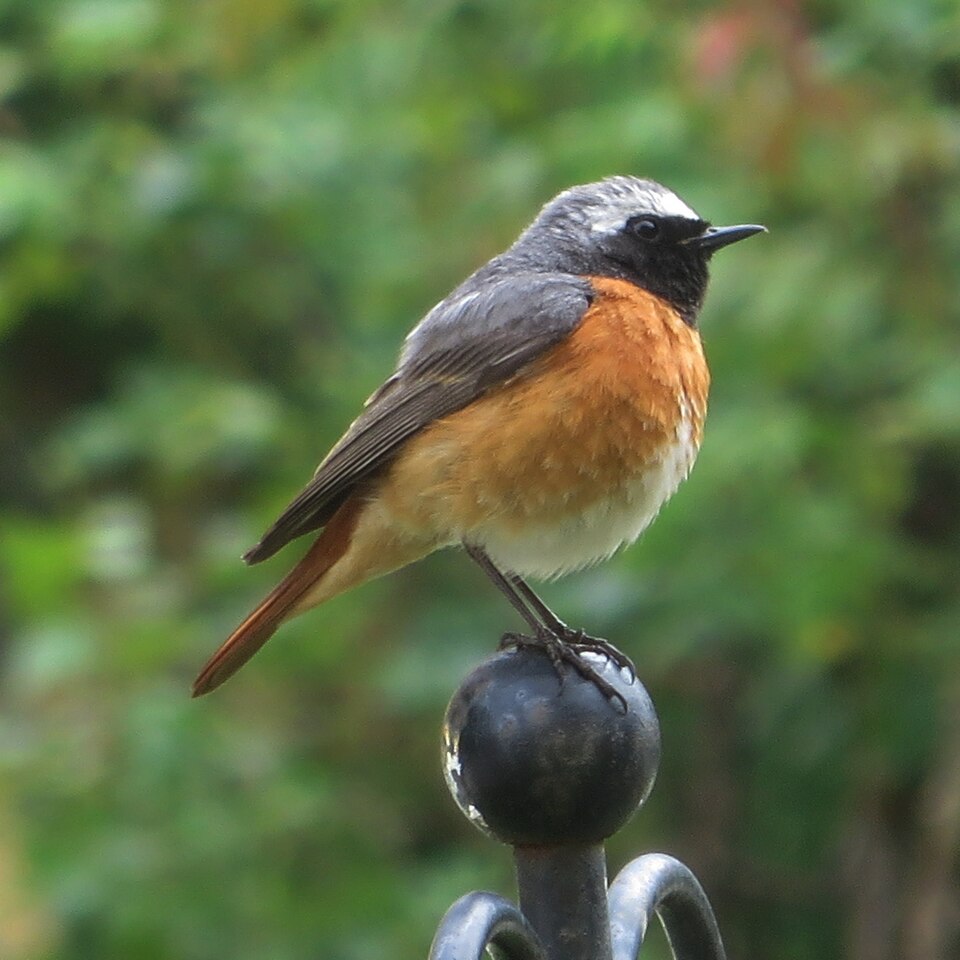 rabirruivo-de-testa-branca
Em resumo
A maneira mais confiável de separar o papa-moscas-real do rabirruivo-de-testa-branca é focando no padrão da cauda e das asas, especialmente em voo ou em aves empoleiradas com caudas abertas. O papa-moscas-real de todas as idades apresenta uma cauda preta com bases brancas conspícuas nas penas externas, enquanto o rabirruivo-de-testa-branca tem uma cauda laranja-avermelhada brilhante com apenas as penas centrais escuras. O macho adulto do rabirruivo-de-testa-branca também apresenta uma testa branca e, em algumas subespécies, uma mancha clara na asa, que o papa-moscas-real nunca tem. Fêmeas e imaturos de ambas as espécies podem ser confusos, mas o rabirruivo é maior, mais esguio e tem uma postura mais ereta, semelhante a um tordo, enquanto o papa-moscas-real é menor e mais arredondado, com um anel ocular branco proeminente. Vocalizações, habitat e comportamento alimentar podem ajudar, mas o padrão da cauda e das asas são as pistas mais consistentes.
Dicas de identificação
- Padrão da cauda (todas as idades): O papa-moscas-real sempre mostra uma cauda preta com bases brancas nas penas externas; o rabirruivo-de-testa-branca tem uma cauda laranja-avermelhada brilhante com apenas as penas centrais escuras. Esta é a marca de campo mais confiável, especialmente quando a cauda está aberta ou em voo.
- Cor e movimento da cauda: A cauda laranja-avermelhada do rabirruivo-de-testa-branca é frequentemente tremida e muito óbvia; a cauda do papa-moscas-real é mais escura e geralmente é levantada com as pontas das asas para baixo.
- Anel ocular branco: O papa-moscas-real de todas as idades e sexos mostra um claro anel ocular branco; o rabirruivo-de-testa-branca não possui isso, aparecendo com o rosto mais simples.
- Estrutura e cor do bico: O papa-moscas-real tem um bico preto com uma base rosa pálida, mais extensa do que no rabirruivo-de-testa-branca, mas isso é sutil e melhor visto de perto.
- Testa branca (macho adulto rabirruivo): Apenas os machos adultos do rabirruivo-de-testa-branca têm uma testa branca e rosto/garganta pretos; o papa-moscas-real nunca mostra essa combinação.
- Mancha laranja na garganta (macho adulto papa-moscas-real): O macho reprodutor do papa-moscas-real tem uma proeminente mancha laranja na garganta; fêmeas e imaturos do papa-moscas-real não a possuem, assim como todos os rabirruivos-de-testa-branca.
- Mancha na asa (macho rabirruivo): O macho adulto do rabirruivo-de-testa-branca (especialmente a subespécie do sudeste) mostra uma mancha clara a esbranquiçada na asa; o papa-moscas-real nunca tem uma mancha na asa.
- Cor da parte inferior: O papa-moscas-real é branco na parte inferior (exceto pela garganta laranja nos machos adultos); os machos do rabirruivo-de-testa-branca são laranja nas laterais e na barriga, desvanecendo para o branco centralmente. As fêmeas de ambas são pálidas na parte inferior, mas o rabirruivo é mais amarelado.
- Tamanho e forma: O rabirruivo-de-testa-branca é maior, mais esguio e com cauda mais longa; o papa-moscas-real é menor e mais arredondado. Em comparação direta, isso pode ser óbvio, mas isoladamente é sutil.
- Postura ao empoleirar: O rabirruivo-de-testa-branca frequentemente empoleira-se ereto, semelhante a um tordo; o papa-moscas-real é mais horizontal e compacto.
- Contexto do habitat: O papa-moscas-real prefere florestas maduras, frequentemente perto da água; o rabirruivo-de-testa-branca é mais provável de ser encontrado em matas abertas, parques ou jardins.
- Vocalizações: O papa-moscas-real canta um assobio curto, doce e repetitivo; a canção do rabirruivo-de-testa-branca é mais longa, suave e mais complexa. Os chamados também são diferentes, mas requerem experiência.
- Confusão sazonal: No outono, o macho do rabirruivo-de-testa-branca pode parecer mais apagado e mais parecido com uma fêmea, mas a cauda laranja e a testa branca (se visíveis) permanecem boas pistas. O papa-moscas-real nunca mostra uma testa branca ou cauda laranja.
- Confusão entre imaturos/fêmeas: Fêmeas e imaturos do rabirruivo podem mostrar uma leve mancha pálida na asa, mas nunca um anel ocular branco ou cauda preta e branca. Fêmeas/imaturos do papa-moscas-real são marrons mais simples e sempre têm o anel ocular branco e padrão de cauda.
- Comportamento alimentar: Ambos se lançam em busca de insetos, mas o rabirruivo é mais provável de ser visto no chão ou em poleiros abertos, enquanto o papa-moscas-real permanece mais alto e balança sua cauda para cima.
Tamanho
O papa-moscas-real é o menor dos dois, medindo cerca de 11–12 cm de comprimento, apenas um pouco maior que um Pisco-de-peito-ruivo. O rabirruivo-de-testa-branca é visivelmente maior, com 13–14,5 cm e também um pouco mais pesado. No campo, o rabirruivo frequentemente parece mais esguio e mais alongado, enquanto o papa-moscas-real aparece compacto e com cauda curta em comparação. Essas diferenças são sutis, mas podem ser úteis quando vistas lado a lado ou com experiência.
Plumagem
- Juvenil/Imaturo/Aves não reprodutoras:
- Papa-moscas-real: Todas as idades e sexos mostram uma cauda preta com bases brancas nas penas externas, o que é diagnóstico. As partes superiores são marrons apagadas, as partes inferiores são brancas, e há sempre um claro anel ocular branco. Fêmeas e imaturos não têm a mancha laranja na garganta, mas de outra forma se assemelham aos machos adultos.
- Rabirruivo-de-testa-branca: Todas as idades têm uma cauda laranja-avermelhada brilhante com apenas as duas penas centrais marrons escuras. Juvenis e fêmeas são cinza-marrons acima e pálidas abaixo, sem o anel ocular branco do papa-moscas-real. Algumas fêmeas e machos imaturos podem mostrar uma leve mancha pálida na asa, especialmente na subespécie do sudeste, mas isso nunca é tão marcante quanto nos machos adultos.
- Machos adultos reprodutores:
- Papa-moscas-real: Marrons apagados acima, brancos abaixo, cabeça cinza e uma proeminente mancha laranja na garganta. Sem mancha na asa ou testa branca. O bico é preto com uma base rosa pálida.
- Rabirruivo-de-testa-branca: Cabeça e partes superiores cinza-ardósia, testa branca, rosto e garganta pretos, rabo e flancos laranja-castanho, com uma mancha clara a esbranquiçada na asa em algumas subespécies. As partes inferiores desvanecem para o branco na barriga. Bico e pernas pretos. No outono, os machos parecem mais apagados devido às franjas de penas pálidas.
Comportamento
Ambas as espécies se alimentam se lançando atrás de insetos, mas o rabirruivo-de-testa-branca frequentemente empoleira-se mais ereto, lembrando um tordo, e frequentemente treme sua cauda laranja-avermelhada. O papa-moscas-real é mais provável de balançar sua cauda para cima enquanto mantém as pontas das asas para baixo, e inspeciona folhas e galhos de maneira semelhante a um chapim. O rabirruivo é mais provável de ser visto em poleiros abertos ou até mesmo no chão, enquanto o papa-moscas-real tende a ficar na copa ou em níveis intermediários.
Habitat
O papa-moscas-real se reproduz no leste da Europa e na Ásia Central, favorecendo florestas decíduas ou mistas maduras, especialmente perto da água. É um migrante regular de passagem na Europa Ocidental. O rabirruivo-de-testa-branca se reproduz amplamente pela Europa e na Sibéria, utilizando matas abertas, parques e jardins, frequentemente com árvores dispersas e solo mais aberto. Ambas são migratórias, mas o papa-moscas-real inverna no Sul da Ásia, enquanto o rabirruivo-de-testa-branca inverna na África.
Voz
A canção do papa-moscas-real é um assobio curto, doce e repetitivo, frequentemente precedido por notas 'zit' silenciosas e seguido por uma sequência descendente, menos melodiosa do que a do papa-moscas-preto. Seu chamado é um 'zrrrt' ruidoso, mais lento que o do papa-moscas-real-oriental. A canção do rabirruivo-de-testa-branca é uma estrofe suave e melancólica que dura de 1 a 2 segundos, com uma estrutura de três partes. Os chamados variam por região, mas geralmente são 'huid' ascendentes ou 'heed' monossilábicos, às vezes combinados com alarmes de tique-taque. No campo, a canção do rabirruivo-de-testa-branca é mais complexa e variável, enquanto a do papa-moscas-real é mais simples e curta.
papa-moscas-real · rabirruivo-de-testa-branca · Minhas aves difíceis