

mariquita-de-barrete-castanho vs pine warbler
Setophaga palmarum versus Setophaga pinus
Jogue um quiz com mariquita-de-barrete-castanho e pine warbler
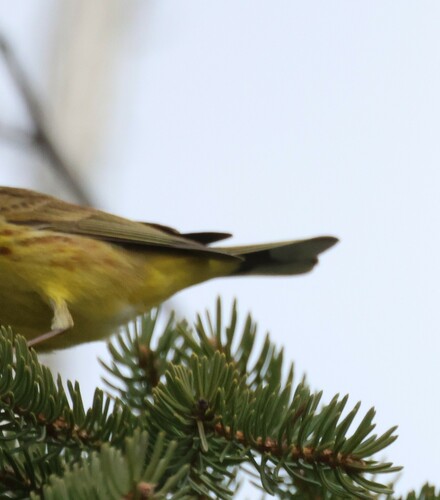 mariquita-de-barrete-castanho
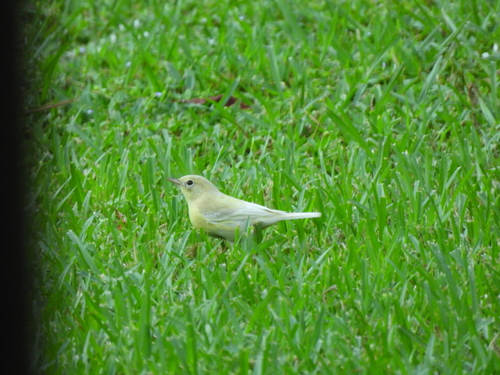 pine warbler
Em resumo
A marca de campo mais confiável para separar a mariquita-de-barrete-castanho da pine warbler é o constante movimento de cauda da mariquita-de-barrete-castanho, que é quase único entre as mariquitas e ausente na pine warbler. Em plumagem, as mariquitas-de-barrete-castanho (especialmente a subespécie 'amarela' oriental) mostram muito mais amarelo na parte inferior e frequentemente têm listras ruivas no peito e flancos, enquanto as pine warblers têm uma barriga branca, duas barras brancas ousadas nas asas e uma garganta e peito amarelos mais uniformes. Estruturalmente, as pine warblers têm um bico mais longo e pontudo e frequentemente parecem mais robustas. Ambas as espécies podem ser encontradas forrageando no chão, mas as mariquitas-de-barrete-castanho fazem isso com muito mais frequência e são frequentemente vistas em áreas abertas e infestadas de ervas daninhas, enquanto as pine warblers estão intimamente ligadas a árvores de pinho. Se você ver uma mariquita em um pinheiro com uma barriga branca e sem movimento de cauda, é provável que seja uma pine warbler; se estiver no chão, balançando a cauda e parecer amarelada com listras ruivas, é quase certamente uma mariquita-de-barrete-castanho.
Dicas de identificação
- Movimento de cauda: A mariquita-de-barrete-castanho balança constantemente sua cauda para cima e para baixo, tanto quando empoleirada quanto forrageando; a pine warbler nunca faz isso. Esta é a marca de campo comportamental mais confiável para todas as idades e estações.
- Cor da barriga: A pine warbler sempre tem uma barriga branca limpa, em forte contraste com a garganta e o peito amarelos; a mariquita-de-barrete-castanho é amarelada na parte inferior, às vezes com listras ruivas, e nunca mostra uma barriga branca clara.
- Barras das asas: A pine warbler mostra duas barras brancas fortes nas asas escuras em todas as plumagens; as barras das asas da mariquita-de-barrete-castanho são fracas ou ausentes, especialmente em aves ocidentais.
- Listras no peito e flancos: A mariquita-de-barrete-castanho (especialmente aves orientais) mostra listras ruivas ousadas no peito e flancos; a pine warbler não tem listras na parte inferior.
- Área dos olhos: A pine warbler tem 'óculos' amarelados (um anel ou arco quebrado ao redor do olho); a mariquita-de-barrete-castanho não possui esse recurso, embora possa mostrar um supercílio pálido.
- Formato do bico: A pine warbler tem um bico mais longo, mais fino e mais pontudo do que a mariquita-de-barrete-castanho, que tem um bico mais curto e mais grosso. Isso é sutil, mas pode ajudar com boas vistas.
- Aspecto geral: A pine warbler parece mais robusta e robusta, enquanto a mariquita-de-barrete-castanho é mais esbelta e mais ativa, especialmente com sua cauda balançando.
- Comportamento de forrageio: A mariquita-de-barrete-castanho é frequentemente vista no chão em áreas abertas, movendo-se ativamente e balançando a cauda; a pine warbler geralmente está em árvores de pinho, movendo-se lentamente e sondando pinhas, mas também pode vir ao chão, especialmente no inverno.
- Habitat: A pine warbler está quase sempre em ou perto de árvores de pinho; a mariquita-de-barrete-castanho é encontrada em uma variedade mais ampla de habitats abertos, incluindo gramados, campos infestados de ervas daninhas e pântanos, muitas vezes longe de pinheiros.
- Variação de subespécies: As mariquitas-de-barrete-castanho ocidentais são mais apagadas no geral, com menos amarelo e menos listras, mas ainda mostram movimento de cauda e não têm a barriga branca e as barras das asas da pine warbler.
- Voz: Se ouvida, a canção da mariquita-de-barrete-castanho é um trinado monótono e zumbido, enquanto a da pine warbler é um trinado mais doce e musical. O chamado da mariquita é um 'chek' agudo.
- Contexto sazonal: A mariquita-de-barrete-castanho é um migrante precoce, frequentemente aparecendo antes da maioria das outras mariquitas na primavera. A pine warbler pode ser residente no Sudeste e pode aparecer antes da maioria dos migrantes, mas é menos provável que seja encontrada em habitats abertos e não pinheiros.
- Sexo e idade: As fêmeas e imaturas de pine warbler são mais apagadas, mas mantêm a barriga branca e as barras das asas; a mariquita-de-barrete-castanho de todas as idades e sexos mostra movimento de cauda e não tem as fortes barras das asas e a barriga branca.
- Armadilhas: Em luz fraca ou à distância, a garganta e o peito amarelos da pine warbler podem parecer mais extensos, mas a barriga branca e a falta de movimento de cauda ainda são confiáveis. As mariquitas-de-barrete-castanho ocidentais podem parecer apagadas, mas seu comportamento e a falta de marcas de estrutura/plumagem da pine são fundamentais.
- Vistas de voo: Nenhuma marca distintiva de padrão de asa superior ou de voo é descrita para qualquer uma das espécies nas notas, então confie na cor geral, nas barras das asas e no comportamento.
Tamanho
A pine warbler é ligeiramente mais pesada em média (cerca de 11,9 g) do que a mariquita-de-barrete-castanho (8,5–14,2 g), mas ambas são semelhantes em comprimento (mariquita: 12–14 cm). No campo, a pine warbler pode parecer um pouco mais robusta e com bico mais longo, mas a sobreposição de tamanho é substancial e não é um separador confiável por si só.
Plumagem
As plumagens juvenis e imaturas não são descritas em detalhes para qualquer uma das espécies nas notas, e nenhum padrão de asa superior específico da idade é destacado como diagnóstico. Para os adultos, a mariquita-de-barrete-castanho (especialmente a subespécie 'amarela' oriental) é brilhantemente amarela na parte inferior com listras ruivas ousadas no peito e flancos, e partes superiores marrom-oliva. As aves ocidentais são mais apagadas, com partes superiores cinza-marrom e menos amarelo na parte inferior. Os adultos da pine warbler (especialmente os machos) têm partes superiores oliva, gargantas e peitos amarelos brilhantes, e sempre uma barriga branca e duas barras brancas nas asas. As fêmeas e imaturas são mais apagadas, com partes superiores oliva-marrom e mais pálidas na parte inferior, mas ainda mostram a barriga branca e as barras das asas. A pine warbler tem 'óculos' amarelados ao redor do olho, enquanto a mariquita-de-barrete-castanho não possui esse recurso. A mariquita-de-barrete-castanho nunca mostra a clara barriga branca ou as fortes barras das asas da pine warbler.
Comportamento
A mariquita-de-barrete-castanho é quase sempre vista balançando sua cauda, tanto quando empoleirada quanto enquanto forrageando, um comportamento compartilhado apenas com algumas outras mariquitas do gênero Setophaga e nunca mostrado pela pine warbler. A mariquita-de-barrete-castanho forrageia no chão com muito mais frequência, muitas vezes em áreas abertas ou infestadas de ervas daninhas. A pine warbler forrageia lentamente em ramos e troncos de pinho, sondando pinhas, mas também pode vir ao chão, especialmente no inverno. Ambas podem comer frutas, mas a pine warbler é única entre as mariquitas por comer sementes regularmente.
Habitat
A mariquita-de-barrete-castanho se reproduz em pântanos e bordas coníferas abertas, e inverna em uma ampla variedade de habitats abertos, incluindo campos infestados de ervas daninhas, matas costeiras e até gramados, muitas vezes longe de árvores. A pine warbler está fortemente associada a florestas de pinho durante todo o ano, raramente se afastando muito dos pinheiros, mesmo durante a migração ou inverno. Se você encontrar uma mariquita em um habitat dominado por pinheiros, especialmente alto na copa, é muito mais provável que seja uma pine warbler; uma mariquita em solo aberto, não florestado ou em áreas infestadas de ervas daninhas é provavelmente uma mariquita-de-barrete-castanho.
Voz
A mariquita-de-barrete-castanho emite um trinado monótono e zumbido para sua canção e um chamado agudo 'chek'. A voz da pine warbler não é descrita nas notas, mas geralmente é um trinado musical, menos zumbido do que a da mariquita-de-barrete-castanho. No campo, o chamado da mariquita-de-barrete-castanho é mais agudo e abrupto, enquanto a canção da pine warbler é mais doce e musical.
mariquita-de-barrete-castanho · pine warbler · Minhas aves difíceis