

northern cardinal vs pyrrhuloxia
Cardinalis cardinalis versus Cardinalis sinuatus
Jogue um quiz com northern cardinal e pyrrhuloxia
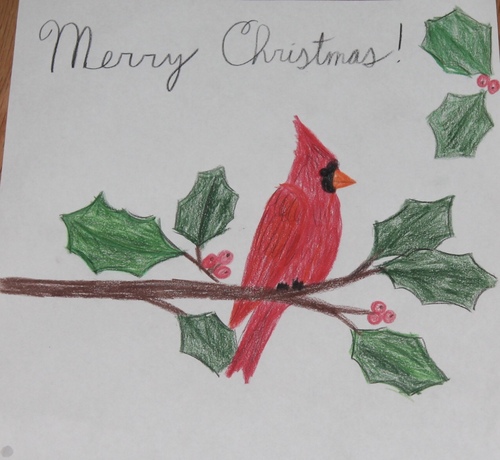 northern cardinal
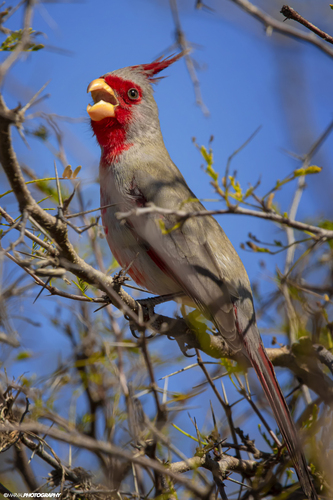 pyrrhuloxia
Em resumo
A marca de campo mais confiável entre o northern cardinal e a pyrrhuloxia é o bico: o northern cardinal sempre apresenta um bico grande, brilhante, coral-vermelho e cônico, enquanto a pyrrhuloxia tem um bico mais curto, grosso, amarelo e semelhante ao de um papagaio, com um culmen fortemente curvado. Os machos adultos do northern cardinal são de um vermelho vívido com uma máscara facial preta, enquanto os machos da pyrrhuloxia são principalmente acinzentados com destaques vermelhos e uma máscara vermelha menor. As fêmeas de ambas as espécies são mais semelhantes, mas a cor e a forma do bico permanecem diagnósticas. Ambas as espécies têm cristas proeminentes e tamanho semelhante, mas sua estrutura e padrões faciais diferem em detalhes. Pássaros imaturos podem ser complicados, mas a cor e a forma do bico ainda são as melhores pistas.
Dicas de identificação
- Cor e forma do bico: O northern cardinal sempre tem um bico grande, coral-vermelho e cônico; a pyrrhuloxia tem um bico curto, grosso, amarelo e semelhante ao de um papagaio, com uma borda superior fortemente curvada. Isso é diagnóstico em todas as idades e sexos.
- Plumagem do macho adulto: Os machos do northern cardinal são vermelhos sólidos e vívidos, com uma máscara preta bem definida cobrindo o rosto e a garganta. Os machos da pyrrhuloxia são principalmente acinzentados com vermelho na crista, máscara, peito, asas e cauda, mas a cor base é sempre acinzentada, e a máscara é menor e menos extensa.
- Plumagem da fêmea adulta: Ambas são marrons com tons avermelhados, mas a fêmea do northern cardinal tem um bico coral-vermelho e uma máscara acinzentada, menos distinta; a fêmea da pyrrhuloxia tem um bico amarelo, semelhante ao de um papagaio, e uma crista vermelha, com uma máscara vermelha, mas menos extensa.
- Pássaros juvenis/imaturos: Ambos são marrons, mas a cor do bico é a chave: os juvenis do northern cardinal têm um bico escuro que se torna coral-vermelho à medida que amadurecem, enquanto os juvenis da pyrrhuloxia têm um bico amarelo desde o início. Procure qualquer indício de cor do bico em filhotes.
- Crista: Ambas as espécies têm uma crista proeminente e pontuda, mas isso não é um separador.
- Máscara facial: O northern cardinal (especialmente os machos) tem uma máscara preta ousada que se estende bem abaixo do bico e ao redor dos olhos; a máscara da pyrrhuloxia é vermelha, menor e menos definida.
- Cor geral: Os machos do northern cardinal são todos vermelhos; os machos da pyrrhuloxia são acinzentados com destaques vermelhos. As fêmeas de ambas são marrons, mas a pyrrhuloxia é mais acinzentada no geral.
- Cor das asas e cauda: As asas e a cauda do northern cardinal são vermelhas nos machos, com tons avermelhados nas fêmeas; a pyrrhuloxia apresenta destaques vermelhos, mas sempre com uma base acinzentada.
- Cor das pernas e olhos: Ambas têm pernas escuras e olhos marrons; não são úteis para separação.
- Habitat: No leste dos EUA, qualquer cardeal é um northern cardinal. No deserto do sudoeste, verifique a cor do bico e a acinzentamento geral para a pyrrhuloxia, especialmente em habitats áridos e abertos.
- Comportamento: Ambas as espécies visitam alimentadores e forrageiam no chão; a pyrrhuloxia pode ser vista em grandes bandos no inverno, enquanto o northern cardinal é mais frequentemente visto em pares ou pequenos grupos.
- Canto: Os cantos são quase idênticos; não confie em vocalizações para separação.
- Voo: Nenhum padrão distintivo de asas ou cauda separa essas espécies em voo; concentre-se na cor do bico e na impressão geral de cor.
- Estação: Ambas as espécies mantêm plumagens semelhantes durante todo o ano, então a estação não é um fator importante.
- Armadilhas: Fêmeas e juvenis são os mais comumente confundidos; sempre verifique a cor e a forma do bico primeiro, depois procure tons acinzentados versus marrons e a extensão dos destaques vermelhos.
Tamanho
Ambas as espécies são muito semelhantes em tamanho, com comprimentos típicos em torno de 21–23 cm (8.3–9.1 in) e pesos sobrepostos (northern cardinal: não especificado aqui; pyrrhuloxia: 24–43 g). No campo, nenhuma das espécies é notavelmente maior ou menor que a outra, então o tamanho sozinho não é um separador confiável.
Plumagem
- Juvenil/Imaturo: Os jovens de ambas as espécies são marrons por cima e mais claros por baixo, mas os juvenis do northern cardinal têm um bico escuro que se torna laranja-vermelho à medida que amadurecem, enquanto os juvenis da pyrrhuloxia têm um bico amarelo desde o início. Cardeais imaturos podem mostrar destaques vermelho-tijolo na crista, asas e cauda, enquanto os jovens da pyrrhuloxia são mais uniformemente acinzentados com menos vermelho.
- Macho Adulto: Os machos do northern cardinal são de um vermelho brilhante no geral, com uma máscara preta bem definida ao redor do rosto e da garganta. Os machos da pyrrhuloxia são principalmente acinzentados com uma crista vermelha, máscara vermelha (menor e menos extensa que a do cardeal), peito vermelho e destaques vermelhos nas asas e cauda, mas a cor base permanece acinzentada.
- Fêmea Adulta: Ambas são principalmente marrons ou cor de fawn com tons avermelhados, mas as fêmeas do northern cardinal têm um bico coral-vermelho e uma máscara acinzentada, menos distinta, enquanto as fêmeas da pyrrhuloxia têm um bico amarelo, semelhante ao de um papagaio, e uma crista vermelha; sua máscara também é vermelha, mas menos extensa que a do cardeal.
- Cor e forma do bico: Northern Cardinal: coral-vermelho, longo, cônico; Pyrrhuloxia: amarelo, curto, grosso, semelhante ao de um papagaio, com um culmen curvado. Esta é a marca de campo mais consistente em todas as idades.
Comportamento
Ambas as espécies são pássaros cantores que pousam com cristas proeminentes e comportamentos alimentares semelhantes, frequentemente vistos forrageando por sementes, insetos e frutas. Ambas podem visitar alimentadores. Os northern cardinals são mais propensos a serem vistos em pares ou pequenos grupos, enquanto a pyrrhuloxia pode formar grandes bandos no inverno. Ambas defendem territórios durante a estação de reprodução, mas a pyrrhuloxia é conhecida por formar enormes bandos no inverno.
Habitat
O northern cardinal é amplamente distribuído no leste e centro da América do Norte, preferindo florestas, jardins, arbustos e áreas úmidas, e é comum em áreas suburbanas. A pyrrhuloxia é restrita ao sudoeste americano e ao norte do México, preferindo habitats áridos, desérticos e de arbustos. Em áreas de sobreposição (sul do Texas, Novo México, Arizona), ambas podem ocorrer, mas a pyrrhuloxia é mais provável em regiões mais secas e abertas, enquanto o northern cardinal prefere vegetação mais densa.
Voz
Os cantos de ambas as espécies são muito semelhantes e podem ser quase indistinguíveis no campo, embora o canto da pyrrhuloxia seja descrito como menos alto. As vocalizações não são um separador confiável para a maioria dos observadores de aves.