

trinta-réis-miúdo vs garajau-grande
Sternula antillarum versus Hydroprogne caspia
Jogue um quiz com trinta-réis-miúdo e garajau-grande
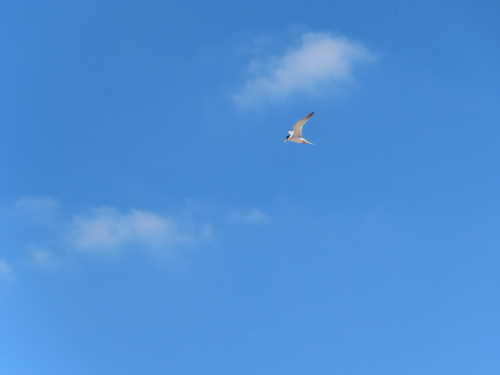 trinta-réis-miúdo
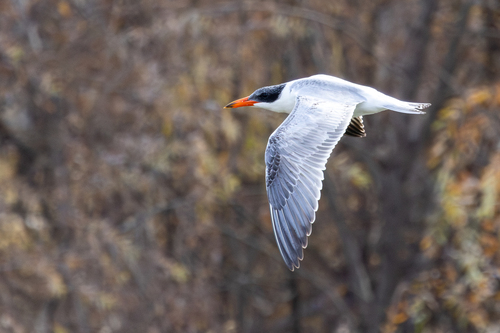 garajau-grande
Em resumo
A maneira mais confiável de separar o trinta-réis-miúdo do garajau-grande é o tamanho: o garajau-grande é vastamente maior, com um bico pesado e longo de cor vermelho-alaranjado, enquanto o trinta-réis-miúdo é pequeno e delicado, com um bico amarelo curto. Em voo, o trinta-réis-miúdo exibe uma cauda mais profundamente bifurcada e batidas de asa rápidas e abruptas, enquanto o garajau-grande parece ter asas largas e poderosas, com uma cauda menos bifurcada e um voo mais lento e deliberado. A cor e a estrutura do bico, a cor das pernas e o padrão da cabeça (especialmente na plumagem não reprodutiva) também ajudam, mas cuidado, pois ambos apresentam bonés pretos e as partes superiores cinza pálido. Pássaros imaturos e não reprodutivos podem ser confusos, então concentre-se primeiro no tamanho, bico e estilo de voo.
Dicas de identificação
- O tamanho é a primeira verificação: O garajau-grande é enorme—quase do tamanho de uma gaivota—enquanto o trinta-réis-miúdo é pequeno, mal maior que uma andorinha. Se você os ver juntos, a diferença é inconfundível. Mesmo sozinho, o tamanho do garajau-grande é óbvio em comparação com qualquer outro garajau.
- Cor e forma do bico: O trinta-réis-miúdo tem um bico amarelo curto e esbelto com uma pequena ponta preta no verão, tornando-se acinzentado no inverno. O bico do garajau-grande é longo, grosso e brilhante vermelho-alaranjado com uma pequena ponta preta, durante todo o ano. O tamanho e a cor do bico são visíveis mesmo à distância.
- Cor das pernas: O trinta-réis-miúdo tem pernas amareladas; as pernas do garajau-grande são pretas. Isso é melhor visto quando os pássaros estão parados.
- Forma da cauda: A cauda do trinta-réis-miúdo é mais profundamente bifurcada e muitas vezes se projeta além das pontas das asas em repouso. A cauda do garajau-grande é menos bifurcada e não se estende além das pontas das asas.
- Estilo de voo: O trinta-réis-miúdo voa com batidas de asa rápidas e abruptas e uma postura encurvada, com o bico inclinado para baixo. O garajau-grande voa com batidas de asa lentas e profundas, planando frequentemente, e parece ter asas largas e poderosas.
- Padrão das asas: Ambos têm partes superiores cinza pálido, mas as asas do garajau-grande são mais largas, e a parte inferior mostra primárias escuras. As asas do trinta-réis-miúdo são mais estreitas com marcas pretas nas primárias mais externas.
- Padrão da cabeça (reprodução): Ambos têm um boné preto, mas o trinta-réis-miúdo apresenta uma pequena mancha branca na testa; o boné preto do garajau-grande é mais extenso.
- Padrão da cabeça (não reprodução): A testa do trinta-réis-miúdo torna-se muito mais branca, reduzindo o boné preto; o garajau-grande mantém um boné preto, mas com listras brancas na testa.
- Estrutura do corpo: O garajau-grande é robusto, pesado e de asas largas; o trinta-réis-miúdo é esbelto, delicado e compacto.
- Vocalizações: O chamado do garajau-grande é um crocitar alto e áspero; o do trinta-réis-miúdo é uma nota aguda e estridente. Se você ouvir o chamado, é uma forte pista.
- Contexto do habitat: O trinta-réis-miúdo é geralmente encontrado em praias arenosas, estuários e lagoas com água rasa. O garajau-grande é mais disseminado, frequentemente em grandes lagos, rios ou costas, às vezes longe da costa.
- Mudanças sazonais: O bico e o padrão da cabeça do trinta-réis-miúdo mudam entre as temporadas de reprodução e não reprodução; o bico do garajau-grande permanece vermelho-alaranjado, e o boné preto só se torna estriado no inverno.
- Comportamento alimentar: O trinta-réis-miúdo paira e mergulha para pegar pequenos peixes, raramente submergindo. O garajau-grande também mergulha, mas com mais potência e frequentemente de maiores alturas.
- Bandos mistos: Se você ver ambas as espécies juntas (raro), o garajau-grande se destacará sobre o trinta-réis-miúdo. Em colônias mistas, o garajau é sempre o maior garajau presente.
- Confusão juvenil: Nenhum padrão de asa juvenil detalhado é fornecido aqui, então confie no tamanho, bico e estrutura para jovens pássaros.
Tamanho
O garajau-grande é o maior garajau do mundo, pesando cerca de 634 g [wikidata], com um comprimento de 48–60 cm e uma envergadura de 127–145 cm [wikipedia]. O trinta-réis-miúdo é o menor garajau da América do Norte, com apenas 22–24 cm de comprimento e uma envergadura de 50 cm, pesando apenas 39–52 g [wikipedia]. No campo, o garajau é quase do tamanho de uma gaivota e ofusca o trinta-réis-miúdo, que é do tamanho de um pardal. Mesmo à distância, a diferença é dramática: o garajau parece maciço e robusto, enquanto o trinta-réis-miúdo é pequeno e delicado.
Plumagem
As plumagens juvenis e imaturas não são descritas em detalhes para nenhuma das espécies nestas notas, então o foco está em pássaros adultos e não reprodutivos. Ambas as espécies têm partes superiores cinza pálido e partes inferiores brancas, mas as partes superiores do garajau-grande são mais largas e as partes inferiores mostram primárias escuras, especialmente de baixo. As asas do trinta-réis-miúdo são mais estreitas e mostram marcas pretas nas primárias mais externas. Na plumagem de reprodução, ambos têm um boné preto, mas o trinta-réis-miúdo tem uma pequena mancha branca na testa, enquanto o boné preto do garajau é mais extenso. Na plumagem não reprodutiva (inverno), a testa do trinta-réis-miúdo torna-se muito mais branca, com um boné preto reduzido; o garajau-grande mantém um boné preto, mas com listras brancas na testa. A cor do bico é fundamental: o trinta-réis-miúdo tem um bico amarelo com uma pequena ponta preta (verão), tornando-se acinzentado no inverno; o bico do garajau-grande é grosso, longo e brilhante vermelho-alaranjado com uma pequena ponta preta durante todo o ano. A cor das pernas também difere: o trinta-réis-miúdo tem pernas amareladas, o garajau-grande tem pernas pretas. A forma da cauda é outra pista: a cauda do trinta-réis-miúdo é mais profundamente bifurcada e muitas vezes se estende além das pontas das asas em repouso, enquanto a cauda do garajau é menos bifurcada e mais curta em relação às asas.
Comportamento
O trinta-réis-miúdo voa com batidas de asa rápidas e abruptas e muitas vezes parece encurvado, com o bico ligeiramente inclinado para baixo. Ele paira sobre água rasa e mergulha para pegar pequenos peixes, raramente submergindo completamente. O garajau-grande voa poderosamente com batidas de asa mais lentas e profundas, planando mais frequentemente, e parece ter asas largas e pesadas. Sua forragem também ocorre sobre a água, mas frequentemente cobre maiores distâncias e pode ser visto voando alto e direto. O trinta-réis-miúdo frequentemente repousa e nidifica em solo aberto, enquanto o garajau-grande pode nidificar sozinho ou em colônias, às vezes com outros garajaus e gaivotas.
Habitat
O trinta-réis-miúdo reproduz-se em praias arenosas ou pedregosas, estuários e lagoas, geralmente perto de água rasa onde pequenos peixes são abundantes. O garajau-grande tem uma distribuição mais ampla e dispersa, reproduzindo-se perto de grandes lagos, rios, costas e ilhas, frequentemente em habitats maiores e abertos. Ambas as espécies nidificam no solo, mas o garajau-grande é mais propenso a ser encontrado no interior, bem como nas costas, e suas colônias podem ser misturadas com outros grandes garajaus e gaivotas.
Voz
O garajau-grande emite um crocitar alto e áspero, que é muito diferente dos chamados mais estridentes do trinta-réis-miúdo. A voz do trinta-réis-miúdo é mais aguda e menos áspera. Se você ouvir um chamado profundo e crocante de um grande garajau, é o garajau-grande; um pequeno garajau com um chamado agudo e estridente é o trinta-réis-miúdo.