
águia-malhada vs águia-imperial-oriental
Clanga clanga versus Aquila heliaca
Jogue um quiz com águia-malhada e águia-imperial-oriental
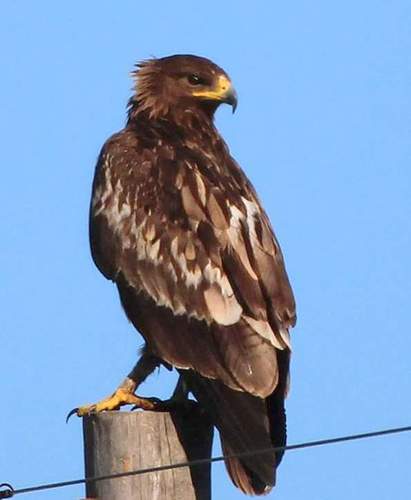 águia-malhada
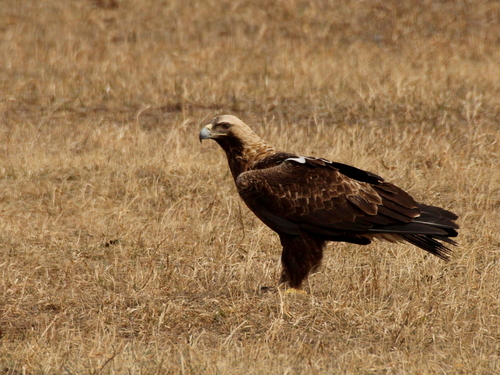 águia-imperial-oriental
Em resumo
A marca de campo mais confiável para separar a águia-malhada da águia-imperial-oriental, especialmente em voo, é o padrão de asa e corpo em juvenis e imaturos: as águias-imperiais-orientais juvenis mostram uma combinação única de cor de fundo amarelo-pálido com listras marrons e um contraste marcante entre o corpo traseiro claro e as penas de voo escuras, enquanto as águias-malhadas juvenis são geralmente mais escuras, com manchas e listras mais pesadas, e carecem da nuca clara e do xale. Estruturalmente, as águias-malhadas são mais compactas, com asas mais largas e curtas e uma cabeça menor, em comparação com a águia-imperial-oriental, que tem pescoço mais longo, asas mais longas e aparência mais poderosa. Os adultos são mais desafiadores, mas as águias-malhadas permanecem mais escuras e mais uniformes, sem as manchas brancas nos ombros e a cauda inferior mais clara da águia-imperial-oriental. O tamanho se sobrepõe, mas a águia-imperial-oriental é, em média, mais pesada. A maior confusão surge com aves imaturas em voo, então concentre-se no contraste entre asa e corpo, proporções da cabeça/pescoço e padrões de coberturas.
Dicas de identificação
- Contraste de asa/corpo juvenil: As águias-imperiais-orientais juvenis mostram um contraste marcante entre um corpo traseiro pálido, amarelo-pálido e penas de voo escuras, com listras marrons no corpo. As águias-malhadas juvenis são geralmente mais escuras, mais uniformemente marrons, com manchas e listras mais pesadas, e carecem desse contraste acentuado. Esta é a marca mais confiável em voo para imaturos.
- Nuca e xale claros: As águias-imperiais-orientais juvenis e imaturas frequentemente mostram um xale ou área de nuca mais clara, que está ausente ou presente apenas de forma sutil (nunca ocre/laranja) nas águias-malhadas de qualquer idade.
- Coberturas de asa superior: As águias-malhadas juvenis têm coberturas de asa superior uniformes e escuras, enquanto as águias-imperiais-orientais (especialmente os adultos) mostram manchas brancas na manta da asa. As águias-malhadas do morfo fulvescens podem parecer pálidas, mas mantêm coberturas e manta escuras.
- Banda de coberturas e listras: As águias-malhadas imaturas mais velhas mostram uma banda de coberturas maior mais proeminente abaixo e listras mais densas nas penas de voo do que as águias-imperiais-orientais de idade semelhante.
- Estrutura facial e da cabeça: As águias-imperiais-orientais têm uma cabeça maior e mais saliente e pescoço mais longo, dando um perfil mais 'imperial' tanto empoleiradas quanto em voo. As águias-malhadas têm uma cabeça menor e pescoço mais curto, fazendo com que a cabeça pareça relativamente pequena em relação às asas largas.
- Forma da asa em voo: As águias-malhadas têm asas mais largas e curtas e uma estrutura mais compacta, enquanto as águias-imperiais-orientais têm asas mais longas e retangulares e uma cauda mais longa. Isso é especialmente notável em comparação direta ou com experiência.
- Forma da cauda: As águias-imperiais-orientais têm uma cauda mais longa e em forma de cunha, enquanto as águias-malhadas têm uma cauda mais curta e arredondada.
- Plumagem adulta: As águias-imperiais-orientais são escuras, mas mostram manchas brancas nos ombros e uma cauda inferior acinzentada, que as águias-malhadas não têm. As águias-malhadas adultas são uniformemente escuras, sem manchas brancas ou nuca clara.
- Padrão de asa inferior (adultos): Ambas podem mostrar contraste na asa inferior, mas as águias-imperiais-orientais têm uma asa inferior mais padronizada com manchas brancas, enquanto as águias-malhadas são mais uniformes.
- Impressão de tamanho: As águias-imperiais-orientais são geralmente mais pesadas e mais poderosas, mas o tamanho se sobrepõe. Use a estrutura e a plumagem primeiro.
- Postura empoleirada: As águias-imperiais-orientais parecem mais eretas e de pescoço longo quando empoleiradas; as águias-malhadas são mais compactas e curvadas.
- Contexto de habitat: Em áreas úmidas e pântanos, a águia-malhada é mais provável; em estepes abertas ou terras agrícolas, a águia-imperial-oriental é mais provável, embora ambas possam se sobrepor no inverno.
- Armadilha do morfo fulvescens: As águias-malhadas do morfo pálido podem se assemelhar a águias-imperiais-orientais juvenis, mas carecem de listras marrons abaixo e têm coberturas e manta mais escuras.
- Confusão de híbridos: Híbridos entre águias-malhadas e águias-da-pomerânia podem complicar a identificação, mas a águia-imperial-oriental não é conhecida por hibridizar com essas espécies.
- Medições em mão: A altura/largura do bico, a extensão das manchas brancas (juvenil) e o comprimento do dedo médio podem separar a águia-malhada da águia-da-pomerânia, mas não da águia-imperial-oriental em campo.
Tamanho
A águia-imperial-oriental é geralmente a espécie mais pesada e poderosa, com uma massa corporal média de 3215 g [wikidata]. As fêmeas de águia-malhada podem se aproximar do tamanho das águias-imperiais-orientais menores, mas há uma ampla sobreposição e alguns machos de águia-malhada são pouco maiores que machos de águia-da-pomerânia. Estruturalmente, a águia-imperial-oriental parece ter pescoço mais longo, com uma cabeça proporcionalmente maior e asas e cauda mais longas, enquanto a águia-malhada é mais compacta, com asas mais largas e curtas e uma cabeça menor. Em campo, o tamanho sozinho é pouco confiável devido à sobreposição, mas a águia-imperial-oriental geralmente parece mais robusta e imponente, especialmente quando empoleirada.
Plumagem
-
Juvenil/Imaturo: As águias-imperiais-orientais juvenis são distintas com uma cor de base amarelo-pálido, listras marrons e um forte contraste entre uma manta/ faixa de peito escura e um corpo traseiro muito pálido, além de uma cauda escura e remiges com cunhas primárias claras. As águias-malhadas juvenis são geralmente mais escuras, com manchas e listras fortes, coberturas de asa superior escuras e uniformes, e geralmente carecem de uma mancha de nuca clara (se presente, apenas ligeiramente mais clara que o restante da plumagem e nunca ocre/laranja). As águias-malhadas juvenis têm listras mais extensas e densas nas penas de voo e menos contraste entre o corpo e a asa.
-
Subadulto/Imaturo: As águias-imperiais-orientais subadultas podem ser confundidas com águias-malhadas imaturas mais velhas, mas estas últimas são menos contrastantes, carecem de um xale claro e mostram uma banda de coberturas mais proeminente abaixo e listras mais densas nas penas de voo. As águias-malhadas do morfo fulvescens podem ser tão pálidas quanto as juvenis imperiais, mas carecem de listras marrons abaixo e têm coberturas e manta muito mais escuras.
-
Adulto: As águias-imperiais-orientais adultas são escuras, mas mostram manchas brancas na manta da asa e uma cauda inferior acinzentada, que as águias-malhadas não têm. As águias-malhadas adultas são uniformemente escuras, sem manchas brancas nos ombros, sem nuca clara e uma asa inferior mais uniforme. As águias-imperiais-orientais têm uma tonalidade ligeiramente mais marrons abaixo e um perfil de cabeça/pescoço mais saliente.
Comportamento
Ambas as espécies são grandes águias planadoras e podem ser vistas deslizando ou circulando em térmicas. As águias-imperiais-orientais tendem a parecer mais poderosas e dominantes, especialmente em áreas de invernada onde podem superar outras aves de rapina. As águias-malhadas são mais compactas em voo e podem parecer menos imponentes. Ambas se empoleiram em áreas abertas, mas as águias-imperiais-orientais podem parecer mais eretas devido ao seu pescoço mais longo e cabeça maior.
Habitat
Ambas as espécies são migratórias e se sobrepõem em áreas de invernada em partes do Sul da Ásia e do Oriente Médio. A águia-imperial-oriental se reproduz em florestas abertas, estepes e áreas agrícolas em toda a Europa Sudeste e Ásia Central, enquanto a águia-malhada prefere áreas úmidas, pântanos e bordas de florestas. No inverno, ambas podem ser encontradas em habitats abertos semelhantes, mas a águia-malhada está mais associada a ambientes úmidos.
águia-malhada · águia-imperial-oriental · Minhas aves difíceis