
estrelinha-de-poupa vs estrelinha-real
Regulus regulus versus Regulus ignicapilla
Jogue um quiz com estrelinha-de-poupa e estrelinha-real
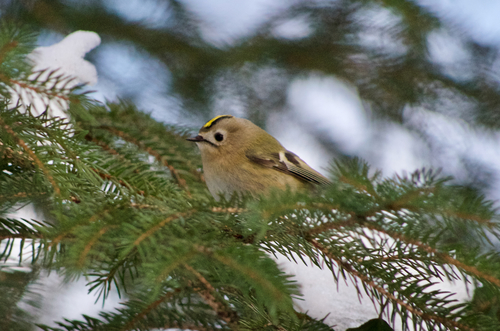 estrelinha-de-poupa
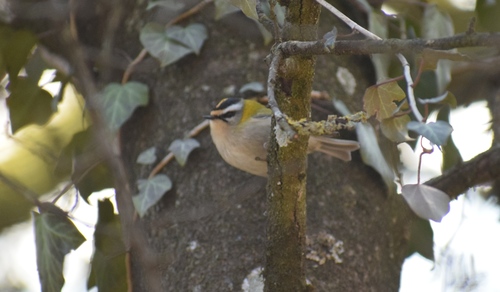 estrelinha-real
Em resumo
A maneira mais confiável de separar a estrelinha-de-poupa da estrelinha-real é pelo padrão da cabeça: a estrelinha-real sempre apresenta um supercílio (sobrancelha) branco ousado e uma faixa ocular preta, enquanto a estrelinha-de-poupa tem um rosto liso sem marcas fortes. Essa diferença está presente mesmo em juvenis, embora o padrão facial da estrelinha-real seja mais apagado em aves jovens. Ambas as espécies têm duas barras alares brancas e tamanho semelhante, mas a estrelinha-real também apresenta uma mancha bronzeada no ombro que a estrelinha-de-poupa não possui. Em vistas ruins, especialmente de aves imaturas, concentre-se primeiro no padrão facial, depois procure pela mancha bronze e pela aparência geral.
Dicas de identificação
- Padrão facial é a chave: A estrelinha-real sempre apresenta um supercílio branco ousado e uma faixa ocular preta, mesmo em juvenis (embora mais apagados), enquanto a estrelinha-de-poupa tem um rosto liso em todas as idades. Se você vê um padrão facial forte, é a estrelinha-real; um rosto liso aponta para a estrelinha-de-poupa.
- Cor e exibição da crista: Ambas as espécies têm uma crista colorida (laranja nos machos, amarela nas fêmeas), mas isso só é visível quando levantada. A cor da crista sozinha não é diagnóstica a menos que vista muito bem, mas a presença de preto ao redor da crista é mais proeminente na estrelinha-de-poupa.
- Mancha bronzeada no ombro: Apenas a estrelinha-real apresenta uma mancha bronzeada no ombro (escapulares), visível em boa luz. A estrelinha-de-poupa não possui essa característica.
- Separação de juvenis: A juvenil da estrelinha-de-poupa tem um rosto muito liso e não possui coroa colorida ou padrão facial forte. A juvenil da estrelinha-real não possui a coroa colorida, mas mantém um supercílio e faixa ocular fracos, então mesmo aves jovens podem ser separadas pelo rosto.
- Barras alares: Ambas as espécies têm duas barras alares brancas; isso não é um separador útil.
- Partes superiores e inferiores: Ambas são verde-oliva acima e esbranquiçadas abaixo, mas a estrelinha-real pode apresentar uma lavagem cinza-acastanhada nas flancos. Isso é sutil e nem sempre visível.
- Voo e movimento: Ambas são hiperativas, mas a estrelinha-de-poupa pode mostrar mais pairar e voo errático e rápido. A estrelinha-real tende a saltar com uma postura mais horizontal.
- Postura de exibição: Se você vê uma ave se exibindo, a estrelinha-de-poupa inclina a cabeça para mostrar a crista, enquanto a estrelinha-real aponta o bico e levanta a crista, enfatizando o padrão facial.
- Tamanho: Ambas são minúsculas e quase idênticas em tamanho; não confie nisso para separação.
- Contexto: Ambas as espécies podem ocorrer juntas no mesmo habitat. Se você vê ambas, compare os padrões faciais diretamente.
- Diferenças sexuais: A cor da crista varia por sexo (laranja nos machos, amarela nas fêmeas), mas isso não é uma marca de campo confiável a menos que a crista esteja totalmente levantada e vista bem.
- Aves de primeiro inverno: No primeiro inverno, ambas as espécies são quase semelhantes a adultas, mas a diferença no padrão facial persiste e continua sendo o melhor separador.
- Espécies de confusão potencial: Se você suspeitar de uma espécie diferente (por exemplo, o Fuzileiro-de-sobrancelha-amarela ou a estrelinha-de-fogo), verifique a cor do supercílio e o padrão da coroa: nem a estrelinha-de-poupa nem a estrelinha-real têm uma faixa de coroa amarelo-pálido ou um anel ocular forte.
- Quando em dúvida: Sempre priorize o padrão facial. Mesmo em luz fraca ou vistas rápidas, a presença ou ausência de um supercílio branco e uma faixa ocular preta é a pista mais confiável.
- Armadilhas: Cuidado com vistas ruins onde o padrão facial está obscurecido ou a crista está achatada; nesses casos, tente observar a ave de múltiplos ângulos ou espere por uma visão melhor.
Tamanho
Tanto a estrelinha-de-poupa quanto a estrelinha-real são aves extremamente pequenas, com a estrelinha-de-poupa medindo em média 8,5–9,5 cm de comprimento e a estrelinha-real cerca de 9 cm. As envergaduras se sobrepõem (estrelinha-de-poupa: 13,5–15,5 cm; estrelinha-real: 13–16 cm) e os pesos são semelhantes (estrelinha-de-poupa: 4,5–7,0 g; estrelinha-real: 4–7 g) [wikipedia][avonet]. No campo, o tamanho não é um separador confiável, pois ambas parecem minúsculas e delicadas. Qualquer diferença percebida geralmente se deve à postura ou contexto, em vez de tamanho real.
Plumagem
- Juvenis/Primeiro inverno: Os juvenis de ambas as espécies não possuem a coroa colorida, mas os juvenis da estrelinha-real mantêm uma versão apagada do padrão facial do adulto (supercílio branco fraco e faixa ocular preta), enquanto os juvenis da estrelinha-de-poupa têm um rosto liso. No primeiro inverno, ambas são quase semelhantes a adultas, mas a diferença no padrão facial continua sendo a melhor marca. O padrão das asas não é diagnóstico entre as duas: ambas apresentam duas barras alares brancas, e não há menção de um painel ou triângulo distintivo em nenhuma das espécies em qualquer idade.
- Adultos: Os adultos da estrelinha-de-poupa têm um rosto liso com uma crista amarelo-brilhante (fêmea) ou laranja-amarelada (macho) contornada por preto, mas sem supercílio ou faixa ocular. Os adultos da estrelinha-real têm uma cabeça marcante: faixa ocular preta, supercílio branco longo e uma crista que é laranja (macho) ou amarela (fêmea), além de uma mancha bronze em cada ombro. As partes inferiores são semelhantes, embora a estrelinha-real possa mostrar uma lavagem cinza-acastanhada nas flancos. Ambas as espécies têm partes superiores verde-oliva, mas apenas a estrelinha-real possui a mancha bronze no ombro.
Comportamento
Ambas as espécies são extremamente ativas, movendo-se inquietamente através da folhagem e frequentemente pairando ou rastejando ao longo dos galhos. A estrelinha-de-poupa é conhecida por seu voo zumbido e rápido, com mudanças repentinas de direção e frequentes pares. A estrelinha-real também tem um voo fraco e zumbido com rápidas curvas evasivas, mas tende a manter seu corpo mais horizontal ao saltar. Na exibição, a estrelinha-de-poupa inclina a cabeça para mostrar a crista, enquanto a estrelinha-real aponta o bico e levanta a crista, enfatizando o forte padrão facial. Essas sutis diferenças comportamentais raramente são diagnósticas no campo, mas a postura de exibição pode ajudar se vista bem.
Habitat
Ambas as espécies se sobrepõem amplamente na Europa e compartilham habitats semelhantes, tipicamente florestas de coníferas ou mistas. Não há uma separação forte de habitat em áreas de sobreposição, e ambas podem ser encontradas juntas, às vezes até defendendo territórios adjacentes. O habitat não é um separador confiável, embora a abundância local possa diferir regionalmente [wikipedia][ebird].
estrelinha-de-poupa · estrelinha-real · Minhas aves difíceis