

crested goshawk vs gavião-chinês
Lophospiza trivirgata versus Tachyspiza soloensis
Jogue um quiz com crested goshawk e gavião-chinês
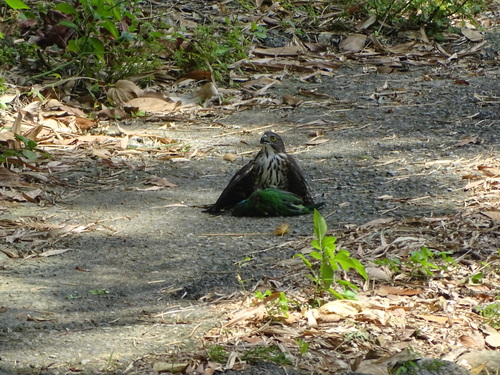 crested goshawk
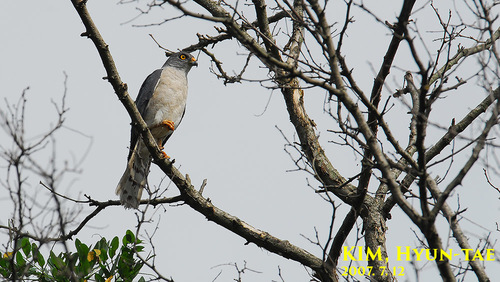 gavião-chinês
Em resumo
A marca de campo mais confiável entre o crested goshawk e o gavião-chinês é a presença de uma crista curta e distinta no crested goshawk, que nunca é mostrada pelo gavião-chinês. Para imaturos, concentre-se nas listras das partes inferiores e no padrão das asas: os juvenis de crested goshawk têm partes inferiores amarelas com listras e barras ruivas, enquanto os juvenis de gavião-chinês mostram mais cinza no rosto e marrom acima, com partes inferiores listradas e coxas barradas. Em voo, procure as pontas das asas pretas nos gaviões-chineses adultos, que estão ausentes no crested goshawk. O goshawk também é notavelmente mais robusto, com asas mais largas e uma cauda mais longa, especialmente nas fêmeas. Ambas as espécies podem ser confundidas em vistas empoleiradas ou planando, mas a atenção cuidadosa à estrutura e ao padrão da cabeça resolverá a maioria dos casos.
Dicas de identificação
- **O crested goshawk sempre mostra uma crista curta e peluda na cabeça, visível de perfil quando empoleirado ou alerta. O gavião-chinês nunca mostra uma crista. Esta é a marca mais confiável em todas as idades e sexos.
- **O gavião-chinês adulto tem pontas de asas pretas proeminentes, especialmente visíveis em voo. O crested goshawk carece completamente dessa característica. Esta marca é mais útil em machos adultos, mas algumas fêmeas também a mostram.
- **O juvenil de crested goshawk tem partes inferiores amarelas com listras e barras ruivas, e franjas pálidas nas penas da cabeça. O juvenil de gavião-chinês mostra um rosto cinza, partes superiores marrons, e partes inferiores que são listradas (não barradas) com coxas barradas. Use essas diferenças nas partes inferiores para imaturos.
- **O macho adulto de crested goshawk tem uma coroa marrom escura, lados da cabeça cinzas, e listras pretas ousadas na bigode e na garganta. Os machos de gavião-chinês têm cabeça mais simples, com um cinza uniforme acima e sem padrão facial forte.
- **A fêmea de crested goshawk é muito maior e mais robusta do que a fêmea de gavião-chinês, com uma cabeça mais marron e listras/barras marrons abaixo. A fêmea de gavião-chinês é menor, com ruivo no peito e nas coberturas das asas inferiores, e olhos amarelos.
- **A cor dos olhos pode ajudar: o macho adulto de gavião-chinês tem olhos vermelhos, a fêmea e o juvenil têm olhos amarelos. A cor dos olhos do crested goshawk é menos distintiva para separação.
- **Forma da cauda e das asas: o crested goshawk tem uma cauda mais longa e asas mais largas, dando uma impressão mais robusta e poderosa em voo ou empoleirado. O gavião-chinês é mais esguio, com cauda mais curta e asas mais pontudas.
- **Estilo de voo: o crested goshawk usa batidas lentas e deliberadas e planagens, parecendo pesado e manobrável. O gavião-chinês é mais leve e mais flutuante em voo.
- **Padrão da cabeça: Apenas o crested goshawk tem listras pretas ousadas na bigode e na garganta (machos), enquanto o gavião-chinês tem um rosto simples (exceto pelo rosto cinza em juvenis).
- **Coberturas das asas inferiores: A fêmea de gavião-chinês mostra ruivo nas coberturas das asas inferiores, que está ausente no crested goshawk.
- **Padrão das asas superiores juvenis: Os juvenis de gavião-chinês têm coberturas das asas inferiores listradas e pontas de asas pretas menos proeminentes; os juvenis de crested goshawk carecem dessas características.
- **Postura empoleirada: O crested goshawk frequentemente aparece ereto e poderoso, com um pescoço grosso e crista óbvia. O gavião-chinês é mais esguio e mais delicado na postura.
- **Contexto do habitat: Floresta densa, especialmente com um grande rapinante crestado, favorece o crested goshawk. Bosque aberto ou borda, especialmente com um pássaro esguio e de cauda curta, favorece o gavião-chinês.
- **Tamanho em comparação direta: Se vistos juntos, o crested goshawk é sempre o pássaro maior e mais robusto.
- **Quando em dúvida, priorize a crista (presente apenas no goshawk) e as pontas de asas pretas (presentes apenas no gavião-chinês adulto) como suas primeiras verificações, depois passe para o padrão das partes inferiores e estrutura para confirmação.
Tamanho
O crested goshawk é geralmente maior, variando de 30 a 46 cm de comprimento, com fêmeas muito maiores que machos. O gavião-chinês é menor, com 30 a 36 cm, embora as fêmeas ainda sejam maiores que os machos. O goshawk tem uma construção visivelmente mais robusta, asas mais largas e uma cauda mais longa, o que é especialmente aparente em voo ou quando empoleirados lado a lado. Essa diferença de tamanho é mais óbvia ao comparar fêmeas adultas, mas mesmo os machos do goshawk tendem a parecer mais robustos do que qualquer gavião-chinês.
Plumagem
- Juvenis/Imaturos: Os juvenis de crested goshawk têm um fundo amarelo nas partes inferiores com listras ruivas no peito e barras na barriga, além de franjas pálidas nas penas da cabeça. Os juvenis de gavião-chinês têm um rosto cinza, partes superiores marrons, olhos amarelos e partes inferiores listradas com coxas barradas. Suas coberturas das asas inferiores são listradas, mas as pontas das asas pretas são menos proeminentes do que nos adultos.
- Machos adultos: Os machos de crested goshawk mostram uma coroa marrom escura, lados da cabeça cinzas, listras pretas na bigode e na garganta, e partes inferiores pálidas com listras e barras ruivas. Os machos de gavião-chinês são cinzas acima, brancos abaixo, com olhos vermelhos e pontas de asas pretas proeminentes.
- Fêmeas adultas: As fêmeas de crested goshawk são maiores, com cabeças mais marrons e listras/barras marrons nas partes inferiores. As fêmeas de gavião-chinês têm ruivo no peito e nas coberturas das asas inferiores, olhos amarelos e carecem da crista do goshawk.
- Contrastes principais: Apenas o crested goshawk mostra uma crista curta (todas as idades/sexos). Apenas o gavião-chinês tem pontas de asas pretas (adultos, especialmente machos). O padrão das partes inferiores é mais listrado e barrado no goshawk, mais limpidamente listrado com coxas barradas no gavião-chinês.
Comportamento
O crested goshawk normalmente voa com batidas lentas e deliberadas e planagens retas, um estilo semelhante a outros Accipiters de floresta. Suas asas curtas e largas e cauda longa são adaptadas para manobrar através de árvores densas. O gavião-chinês também é ágil, mas parece mais leve e mais flutuante em voo, com menos volume e uma forma de asa mais pontuda. Ambas as espécies podem empoleirar-se silenciosamente nas bordas da floresta ou em bosques abertos, mas o goshawk frequentemente parece mais ereto e poderoso, enquanto o gavião-chinês é mais esguio e mais delicado.
Habitat
Ambas as espécies ocorrem em habitats florestais, mas o crested goshawk está mais fortemente associado a florestas densas e bosques maduros, onde sua estrutura e estilo de voo são vantajosos. O gavião-chinês é mais provável de ser visto em bosques abertos, bordas de floresta ou até mesmo plantações, e é um migrante regular em algumas áreas. A sobreposição é possível, mas o contexto pode ajudar: um grande rapinante crestado profundo na floresta é mais provável ser um goshawk; um pássaro esguio e de cauda curta em uma borda de floresta ou em migração é mais provável ser um gavião-chinês.