

calhandra-real vs cotovia-de-poupa
Melanocorypha calandra versus Galerida cristata
Jogue um quiz com calhandra-real e cotovia-de-poupa
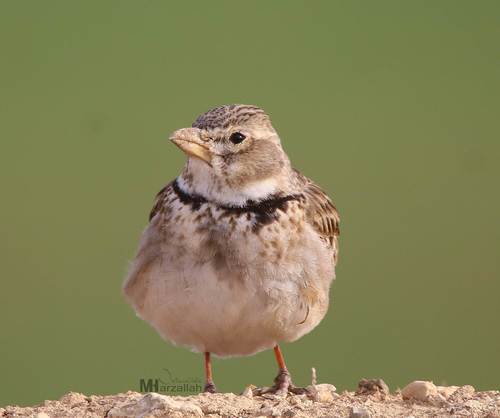 calhandra-real
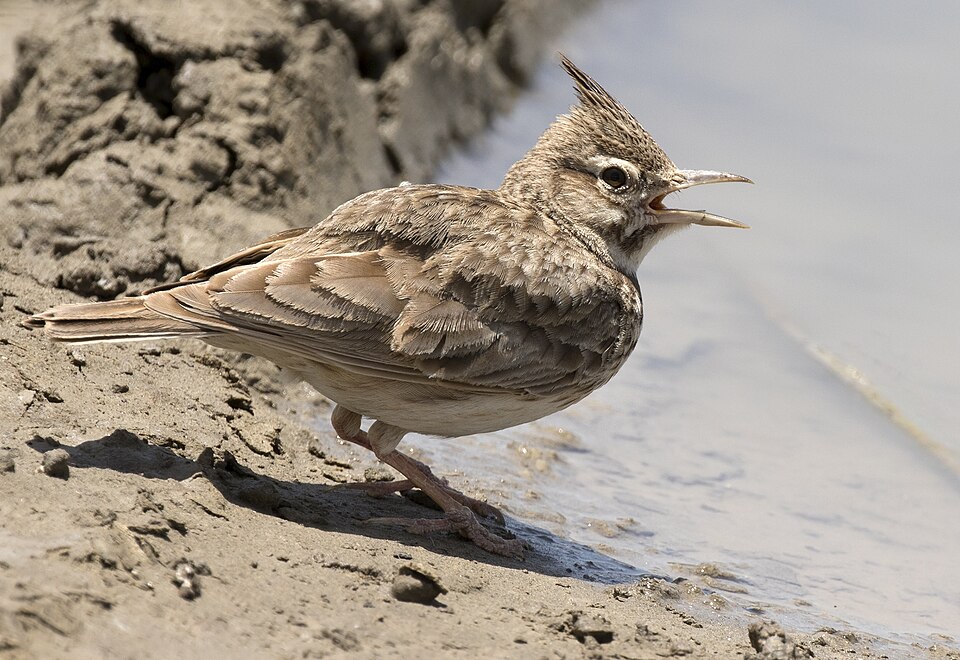 cotovia-de-poupa
Em resumo
A marca de campo mais confiável entre a calhandra-real e a cotovia-de-poupa é vista em voo: a calhandra-real exibe asas inferiores largas e escuras e uma cauda curta com bordas brancas, enquanto a cotovia-de-poupa mostra asas inferiores avermelhadas e não possui um padrão forte na cauda. A estrutura também ajuda— a calhandra-real é mais robusta e não tem crista, enquanto a cotovia-de-poupa é menor, mais esbelta e sempre exibe uma crista proeminente. As cotovias-de-poupa juvenis têm costas mais manchadas, mas isso é sutil à distância. Use as vistas de voo e a forma geral primeiro, depois verifique a crista e a cor das asas inferiores para separar essas duas, especialmente em áreas abertas do Mediterrâneo e da Eurásia.
Dicas de identificação
- Cor das asas inferiores em voo: A calhandra-real exibe asas inferiores largas e escuras; a cotovia-de-poupa mostra asas inferiores avermelhadas. Esta é a melhor marca quando o pássaro está no ar.
- Padrão da cauda em voo: A calhandra-real tem uma cauda curta com bordas brancas distintas; a cauda da cotovia-de-poupa é curta com penas externas marrons claras e não possui uma borda branca forte.
- Crista: A cotovia-de-poupa sempre exibe uma crista proeminente e pontuda, especialmente quando alerta ou cantando. A calhandra-real nunca tem crista—se você ver uma crista, não é calhandra.
- Estrutura do corpo: A calhandra-real é mais pesada, mais robusta e mais robusta, com um corpo grosso e asas largas. A cotovia-de-poupa é menor, mais esbelta e mais compacta, embora ainda robusta ao redor da cabeça.
- Padrão das costas (juvenis): As cotovias-de-poupa juvenis têm mais manchas nas costas do que os adultos, mas isso é sutil e geralmente não é diagnóstico à distância. Nenhum padrão juvenil comparável é notado para a calhandra.
- Textura da plumagem: A plumagem da cotovia-de-poupa é descrita como macia, escassa e às vezes parece esbranquiçada; a calhandra-real é mais uniformemente marrom.
- Postura empoleirada: A calhandra-real se senta pesada e robusta, sem crista; a cotovia-de-poupa se empoleira ereta, muitas vezes com a crista levantada, dando uma silhueta pontuda.
- Estilo de voo: A calhandra-real voa com asas curtas e largas e um voo mais direto e poderoso; a cotovia-de-poupa tem um voo ondulante, muitas vezes cantando a uma altura moderada.
- Habitat: A calhandra-real prefere campos abertos e estepes; a cotovia-de-poupa é mais provável em terras áridas, bordas de campos e periferias urbanas.
- Canto: Apenas o canto da cotovia-de-poupa é descrito—uma série líquida e trêmula de notas. Se você ouvir um canto distinto, é mais provável que seja a cotovia-de-poupa.
- Bico e cabeça: Embora não seja descrito em detalhes, a cabeça da cotovia-de-poupa parece mais robusta em relação ao tamanho do corpo, especialmente com a crista levantada.
- Sexo e estação: Ambas as espécies mostram pouco ou nenhum dimorfismo sexual e nenhuma mudança significativa na plumagem sazonal.
- Armadilhas: Cuidado para não confundir a calhandra-real com a calhandra-bastarda mais a leste; para a cotovia-de-poupa, a principal confusão é com a cotovia-de-Thekla, mas a Thekla tem listras mais pesadas e asas inferiores cinzas (não avermelhadas).
- Abundância local: Em campos mediterrâneos, a calhandra-real é mais provável; em áreas perturbadas, urbanas ou infestadas de ervas daninhas, a cotovia-de-poupa domina.
- Quando em dúvida: Priorize a cor das asas inferiores e o padrão da cauda em voo, depois verifique a presença ou ausência de uma crista quando empoleirada.
Tamanho
A calhandra-real é distintamente mais pesada, com uma média de 59 g [wikidata], em comparação com a faixa da cotovia-de-poupa de 37–55 g [wikipedia]. A calhandra é mais robusta e mais forte no geral, com asas curtas e largas e um corpo grosso. A cotovia-de-poupa é menor, com uma construção mais compacta e esbelta, embora ainda robusta ao redor da cabeça e do corpo. Ambas são semelhantes em comprimento à laverca, mas a calhandra-real parece maior e mais poderosa em voo e no chão.
Plumagem
- Plumagem juvenil/imatura: As cotovias-de-poupa juvenis têm mais manchas nas costas do que os adultos, mas isso não é uma marca de campo forte à distância. Nenhuma marca juvenil/imatura específica é descrita para a calhandra-real nas fontes.
- Plumagem adulta/de voo: A calhandra-real em voo exibe asas inferiores largas e escuras e uma cauda curta com bordas brancas—essas são as melhores marcas para separá-la da cotovia-de-poupa. A cotovia-de-poupa, por outro lado, mostra asas inferiores avermelhadas em voo e uma cauda curta com penas externas marrons claras, sem qualquer borda branca forte. Ambas são marrons por cima, mas a plumagem da cotovia-de-poupa é descrita como macia, escassa e parece esbranquiçada em algumas luzes. A crista está sempre presente e é óbvia na cotovia-de-poupa, mas está completamente ausente na calhandra-real.
- Sexo/estação: Não há dimorfismo sexual significativo em nenhuma das espécies; ambos os sexos se parecem. A variação sazonal não é descrita como diagnóstica.
Comportamento
A cotovia-de-poupa frequentemente levanta sua crista proeminente, especialmente durante exibições, cantando ou quando agitada. Ela frequentemente canta do chão ou em voo ondulante a uma altura moderada (30–60 m), às vezes empoleirando-se em rochas ou postes baixos. A calhandra-real não tem crista e é mais robusta em movimento, com um voo mais pesado e direto. Ambas as espécies forrageiam no chão, mas a cotovia-de-poupa é mais provável de ser vista em habitats perturbados ou nas bordas urbanas, enquanto a calhandra-real prefere campos abertos e estepes.
Habitat
A calhandra-real se reproduz em campos abertos e quentes, temperados e estepes ao redor do Mediterrâneo, Turquia, norte do Irã e sul da Rússia. Ela é substituída mais a leste pela calhandra-bastarda. A cotovia-de-poupa é muito mais ampla, encontrada em toda a Eurásia e norte da África, e é especialmente comum em terras áridas, bordas de campos e até mesmo periferias urbanas. Se o pássaro estiver em um habitat muito aberto, gramado ou semelhante a uma estepe, a calhandra é mais provável; em áreas perturbadas, infestadas de ervas daninhas ou nas bordas urbanas, a cotovia-de-poupa é mais típica.
Voz
A cotovia-de-poupa é um pássaro cantor com um canto líquido e trêmulo, frequentemente descrito como 'whee-whee-wheeoo' ou 'twee-tee-too.' Ela canta do chão ou em altitude, mas não durante sua ascensão como a laverca. Nenhuma descrição vocal é fornecida para a calhandra-real nas fontes, então a voz não é um separador confiável aqui.