

mariquita-de-perna-clara vs mariquita-de-barrete-castanho
Setophaga striata versus Setophaga palmarum
Jogue um quiz com mariquita-de-perna-clara e mariquita-de-barrete-castanho
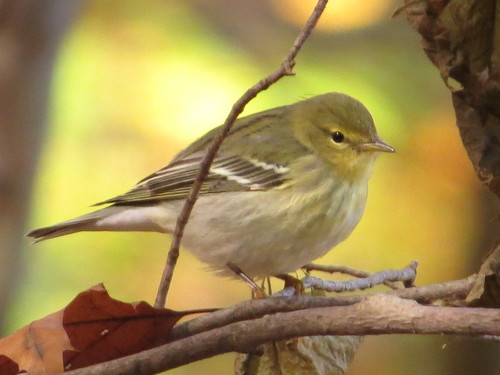 mariquita-de-perna-clara
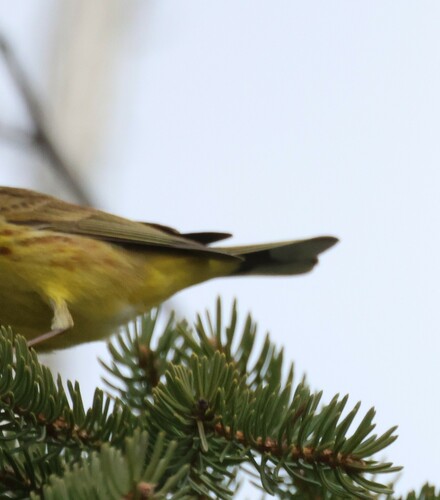 mariquita-de-barrete-castanho
Em resumo
A marca de campo mais confiável para separar a mariquita-de-perna-clara da mariquita-de-barrete-castanho é a presença de um boné preto ousado e bochechas brancas nítidas nos machos em reprodução da mariquita-de-perna-clara, em comparação com o comportamento constante de balançar a cauda e as partes inferiores amareladas da mariquita-de-barrete-castanho. Em plumagens não reprodutivas e imaturas, ambas podem apresentar tons oliva ou amarelados e barras nas asas, tornando-as difíceis de distinguir—especialmente no outono. No entanto, o balançar persistente da cauda da mariquita-de-barrete-castanho e a falta de um padrão forte na cabeça, juntamente com as diferenças na cor das pernas e listras nas partes inferiores, são fundamentais. A estrutura e o tamanho são muito semelhantes, então concentre-se no comportamento e no padrão da cabeça/face para a separação mais confiável.
Dicas de identificação
- Balançar a cauda: A mariquita-de-barrete-castanho balança constantemente sua cauda, mesmo quando empoleirada ou forrageando no chão; a mariquita-de-perna-clara nunca faz isso. Esta é a marca comportamental mais confiável em todas as estações e idades.
- Padrão da cabeça (machos em reprodução): A mariquita-de-perna-clara apresenta um boné preto ousado e bochechas brancas nítidas; a mariquita-de-barrete-castanho não possui nenhum padrão forte na cabeça, apresentando em vez disso um rosto simples com um supercílios fraco. Isso é diagnóstico para machos adultos na primavera/verão.
- Cor das pernas: A mariquita-de-perna-clara tem pernas de um laranja-pink brilhante, visíveis mesmo em plumagens mais apagadas; as pernas da mariquita-de-barrete-castanho são sempre escuras. Esta marca funciona em todas as idades e estações se as pernas forem visíveis.
- Cor das partes inferiores (outono/inverno/imatura): A mariquita-de-barrete-castanho sempre apresenta coberturas amarelas na cauda e geralmente uma coloração amarela nas partes inferiores, especialmente na subespécie oriental; a mariquita-de-perna-clara em plumagem não reprodutiva pode mostrar tons amarelados, mas nunca tão brilhantes ou extensos quanto a mariquita-de-barrete-castanho, e a cauda não é tão fortemente amarela.
- Listras nas partes inferiores: A mariquita-de-perna-clara (todas as idades) apresenta finas listras pretas nas partes inferiores brancas em plumagem de reprodução, e as listras geralmente estão presentes mesmo em plumagens mais apagadas; a mariquita-de-barrete-castanho tem flancos listrados, mas as listras são ruivas (especialmente em aves orientais) e o fundo é amarelo, não branco.
- Barras nas asas: Ambas as espécies apresentam duas barras brancas nas asas em todas as plumagens, então isso não é útil para a separação.
- Padrão do rosto (não reprodutiva/imatura): A mariquita-de-perna-clara não possui o forte supercílios da mariquita-de-barrete-castanho e pode apresentar um rosto mais contrastante, mas em plumagens apagadas isso pode ser sutil. A mariquita-de-barrete-castanho tem uma sobrancelha pálida fraca, mas geralmente visível.
- Comportamento de forrageio: A mariquita-de-barrete-castanho é frequentemente vista no chão, caminhando e balançando a cauda; a mariquita-de-perna-clara é mais arbórea, forrageando mais alto nas árvores, especialmente durante a migração.
- Habitat no inverno: Se vista no sudeste dos EUA no inverno, é quase certamente a mariquita-de-barrete-castanho; a mariquita-de-perna-clara inverna na América do Sul e está ausente da América do Norte nesse período.
- Tempos de migração: A mariquita-de-barrete-castanho é uma migrante precoce da primavera, frequentemente aparecendo antes da maioria das outras mariquitas; a mariquita-de-perna-clara migra mais tarde na primavera e é uma das últimas mariquitas a chegar.
- Bico e estrutura: Ambas as espécies têm bicos finos e proporções gerais semelhantes; a estrutura não é uma marca de campo confiável.
- Visões de voo (imatura/outono): Nenhuma diferença distintiva de padrão de asa superior ou de voo é descrita entre essas espécies, então concentre-se no balançar da cauda e na cor das partes inferiores se vistas em voo.
- Vocalizações: Se um trinado zumbido for ouvido, isso aponta para a mariquita-de-barrete-castanho; a canção da mariquita-de-perna-clara não é coberta nessas notas.
- Confusão de subespécies: As mariquitas-de-barrete-castanho ocidentais são mais apagadas e marrons, o que pode se assemelhar a mariquitas-de-perna-clara no outono, mas ainda mostram balançar a cauda e coberturas amarelas na cauda.
- Armadilhas do quiz: A maioria das confusões ocorre com aves apagadas de outono ou imaturas; sempre procure por balançar a cauda, cor das pernas e cor das partes inferiores como suas primeiras verificações.
Tamanho
Ambas as espécies são semelhantes em tamanho, caindo dentro da faixa típica para mariquitas do gênero Setophaga. A mariquita-de-perna-clara é ligeiramente mais pesada (massa corporal ~12,3 g [wikidata]) e pode atingir até 15 cm de comprimento com uma envergadura de até 25 cm [wikipedia], enquanto a mariquita-de-barrete-castanho é um pouco mais leve (8,5–14,2 g) e ligeiramente mais curta (12–14 cm de comprimento, 20–21 cm de envergadura) [wikipedia]. Essas diferenças são sutis e raramente diagnósticas em campo, então o tamanho sozinho não deve ser confiável para separá-las.
Plumagem
Em plumagem de reprodução, os machos adultos da mariquita-de-perna-clara são strikingmente pretos e brancos, com um boné preto sólido, bochechas brancas e duas barras brancas nas asas. As fêmeas são mais apagadas, mas ainda mostram um rosto pálido e barras nas asas, sem o forte boné preto. No outono e inverno, as mariquitas-de-perna-clara tornam-se muito mais apagadas, com cabeças esverdeadas, partes superiores oliva listradas e partes inferiores com tons amarelados—frequentemente se assemelhando à mariquita-de-barrete-castanho. As juvenis e as mariquitas-de-perna-clara do primeiro inverno são ainda mais sutis, mas sempre retêm barras nas asas óbvias e nunca mostram a cauda amarela brilhante ou a coloração amarela persistente abaixo, típica da mariquita-de-barrete-castanho. A mariquita-de-barrete-castanho, em ambas as subespécies, mostra coberturas amarelas na cauda durante todo o ano, com a forma 'oriental' (hypochrysea) especialmente brilhante em amarelo abaixo e flancos listrados de ruivo, enquanto a forma 'ocidental' (palmarum) é mais apagada e marrom. Ambas as formas não possuem um padrão forte na cabeça, apresentando em vez disso um supercílios fraco e um rosto simples. A mariquita-de-barrete-castanho sempre balança sua cauda, uma pista comportamental única. A cor das pernas também é útil: a mariquita-de-perna-clara tem pernas de um laranja-pink brilhante, enquanto as pernas da mariquita-de-barrete-castanho são escuras.
Comportamento
A mariquita-de-barrete-castanho é única entre as mariquitas do gênero Setophaga por seu constante balançar de cauda, tanto no chão quanto nas árvores, que é uma pista comportamental altamente confiável. Ela também forrageia no chão com mais frequência do que a mariquita-de-perna-clara, que tende a ficar mais alta na copa durante a migração e reprodução. A mariquita-de-perna-clara não mostra balançar persistente da cauda. Ambas as espécies podem ser vistas durante a migração, mas o forrageio no chão e o balançar da cauda da mariquita-de-barrete-castanho são distintivos.
Habitat
Durante a migração, ambas as espécies podem ser encontradas em uma variedade de habitats, incluindo florestas, bordas e áreas arbustivas. Nos locais de reprodução, a mariquita-de-perna-clara prefere florestas coníferas do norte, enquanto a mariquita-de-barrete-castanho se reproduz em pântanos abertos e áreas arbustivas, frequentemente perto do chão. No inverno, a mariquita-de-barrete-castanho é muito mais provável de ser encontrada em campos abertos e infestados de ervas, bordas e até mesmo parques urbanos no sudeste dos EUA, enquanto a mariquita-de-perna-clara inverna na América do Sul e não está presente na América do Norte nesse período.
Voz
A canção da mariquita-de-barrete-castanho é um trinado zumbido monótono, e seu chamado é um 'chek' agudo. As vocalizações da mariquita-de-perna-clara não são descritas nas notas fornecidas, então a voz é útil apenas para a mariquita-de-barrete-castanho, especialmente se o trinado zumbido for ouvido. No entanto, ambas são geralmente silenciosas durante a migração, e a canção raramente é uma marca de campo primária fora da temporada de reprodução.
mariquita-de-perna-clara · mariquita-de-barrete-castanho · Minhas aves difíceis