

chasco-de-seebohm vs chasco-ruivo-ocidental
Oenanthe seebohmi versus Oenanthe hispanica
Jogue um quiz com chasco-de-seebohm e chasco-ruivo-ocidental
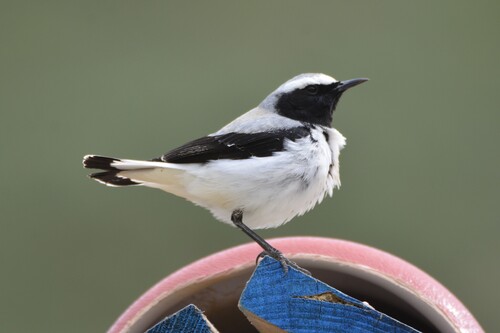 chasco-de-seebohm
 chasco-ruivo-ocidental
Em resumo
A marca de campo mais confiável entre chasco-de-seebohm e chasco-ruivo-ocidental é a extensão e o padrão do preto no rosto e na garganta em machos adultos em reprodução: chasco-de-seebohm apresenta uma garganta e rosto pretos mais extensos e sólidos, às vezes alcançando o peito superior, enquanto a máscara preta do chasco-ruivo-ocidental é mais restrita e a garganta pode ser preta ou branca. Fêmeas e aves não reprodutoras são mais complicadas, mas o chasco-de-seebohm tende a ter partes inferiores mais cinzentas ou brancas e mais branco na testa, enquanto o chasco-ruivo-ocidental é geralmente mais amarelado no geral. Ambas as espécies têm tamanho e estrutura semelhantes, portanto, atenção cuidadosa à plumagem—especialmente na cabeça e na cauda—é essencial. Aves juvenis e não reprodutoras são frequentemente a fonte de confusão, então concentre-se nas sutis diferenças no tom das partes superiores e no padrão da cauda.
Dicas de identificação
- Garganta e rosto pretos (macho adulto em reprodução): Machos de chasco-de-seebohm mostram uma garganta preta sólida, rosto, lores e coberturas auriculares, às vezes se estendendo até o peito superior. Machos de chasco-ruivo-ocidental têm uma máscara preta que vai das coberturas auriculares ao bico, mas a garganta pode ser preta ou branca e o preto é menos extenso.
- Branco na testa (macho adulto): Chasco-de-seebohm frequentemente tem mais branco na testa do que chasco-ruivo-ocidental, o que pode ser uma marca de apoio útil em boas visões.
- Padrão da cauda (todas as idades): Ambas as espécies têm caudas principalmente brancas com uma faixa terminal escura, mas chasco-de-seebohm pode mostrar uma ponta preta menos extensa e mais branco ao longo das penas da cauda externa. A cauda do chasco-ruivo-ocidental também é principalmente branca, exceto pelo par central, e o branco na web interna frequentemente alcança a ponta. Isso é sutil e nem sempre confiável.
- Cor das partes inferiores (macho adulto): Chasco-de-seebohm tipicamente tem partes inferiores mais brancas, enquanto as partes inferiores do chasco-ruivo-ocidental são brancas tingidas de amarelo.
- Tom das partes superiores (fêmea e não reprodutora): Fêmeas de chasco-de-seebohm são frequentemente mais cinzentas acima, às vezes semelhantes aos machos, enquanto fêmeas de chasco-ruivo-ocidental são marrons mais quentes no geral.
- Cor da garganta (fêmea e não reprodutora): Fêmeas de chasco-de-seebohm podem mostrar preto ou marrom-escuro na queixo e lores, com ponta amarelada, cinza ou arenosa. Fêmeas de chasco-ruivo-ocidental são menos variáveis e geralmente não apresentam escuro extenso na garganta.
- Mudança sazonal (macho): Após a reprodução, machos de chasco-de-seebohm tornam-se marrons claros acima, com penas da garganta pretas mostrando pontas claras; machos de chasco-ruivo-ocidental tornam-se distintamente amarelados na cabeça, manto e partes inferiores.
- Coberturas maiores e pontas do painel da asa (plumagem fresca): Ambas as espécies mostram pontas amareladas ou esbranquiçadas nas coberturas das asas e tertiais na plumagem fresca, então isso não é um separador.
- Habitat e distribuição: Chasco-de-seebohm é restrito ao Magrebe e inverna no Saara ocidental; chasco-ruivo-ocidental é encontrado no sul da Europa e partes do Norte da África. Use a distribuição apenas como uma pista de apoio.
- Voz: O canto do chasco-de-seebohm é mais lento e de tom mais baixo do que o chasco-cinzento, mas não é confiavelmente diferente do chasco-ruivo-ocidental em campo.
- Jizz e estrutura: Ambas as espécies são semelhantes em tamanho, forma e postura; não confie na estrutura para separação.
- Aves imaturas: Nenhuma diferença clara no padrão da asa superior ou no padrão de voo é descrita para juvenis ou aves de primeiro inverno; concentre-se nas sutis diferenças no tom das partes superiores e no padrão da cauda, mas espere sobreposição e incerteza.
- Armadilhas: Plumagens não reprodutoras e femininas são altamente variáveis e podem se sobrepor; use uma combinação de marcas e evite confiar em uma única característica, a menos que a garganta e o rosto pretos do chasco-de-seebohm sejam claramente vistos.
- Diferenças sexuais: Machos são mais distintos; fêmeas e imaturos requerem cautela extra e múltiplas marcas de campo.
- Contexto: Se visto nas montanhas do Magrebe no verão, chasco-de-seebohm é mais provável; no sul da Europa, espere chasco-ruivo-ocidental.
Tamanho
Tanto chasco-de-seebohm quanto chasco-ruivo-ocidental são pequenos passeriformes eretos com proporções e tamanho geral semelhantes. Não há diferença confiável no tamanho do corpo, comprimento do bico ou projeção da asa com base nas fontes disponíveis. Dicas estruturais não são úteis para separar esses dois em campo.
Plumagem
-
Juvenil/Primeiro inverno/Imaturo: Nenhuma diferença específica de idade no padrão da asa superior ou no padrão de voo é descrita entre essas duas espécies nas fontes. Ambas mostram padrões típicos de chasco com rumps brancos e faixas terminais escuras na cauda, mas chasco-de-seebohm pode mostrar mais branco na testa e na cauda externa, às vezes com o branco se estendendo mais ao longo das penas da cauda externa. A cauda do chasco-ruivo-ocidental também é principalmente branca, exceto pelo par central, mas o branco na web interna frequentemente alcança a ponta, o que é semelhante ao chasco-de-seebohm e não é confiavelmente diagnóstico.
-
Macho adulto em reprodução: Chasco-de-seebohm é distinto com uma garganta preta sólida, rosto, lores e coberturas auriculares, às vezes alcançando o peito superior, e partes inferiores que são frequentemente mais brancas do que as do chasco-ruivo-ocidental. A máscara preta do chasco-ruivo-ocidental é mais limitada, indo das coberturas auriculares ao bico, e a garganta pode ser preta ou branca; o preto, quando presente, é menos extenso e termina menos abruptamente do que no chasco-ruivo-oriental. Chasco-de-seebohm pode mostrar mais branco na testa e uma ponta preta da cauda menos extensa, com branco às vezes se estendendo ao longo da cauda externa.
-
Fêmea adulta: Fêmeas de chasco-de-seebohm são variáveis, mas frequentemente mais cinzentas acima e podem mostrar algum preto ou marrom-escuro no queixo e lores, com ponta amarelada, cinza ou arenosa. Fêmeas de chasco-ruivo-ocidental são marrons mais quentes no geral, com mudanças sazonais menos marcadas, e sempre mostram o característico dorso inferior branco.
-
Não reprodutora/Outono: Machos de chasco-de-seebohm tornam-se marrons claros acima, com penas da garganta pretas mostrando pontas claras e um tom amarelado no peito. Machos de chasco-ruivo-ocidental desenvolvem cabeça, manto e partes inferiores distintamente amareladas, incluindo a garganta em aves não pretas. Ambas as espécies mostram coberturas de asas e tertiais com pontas amareladas na plumagem fresca.
Comportamento
Ambas as espécies são típicos chascos eretos, com movimentos de cauda, frequentemente empoleirando-se em rochas ou arbustos baixos e fazendo curtas investidas ao chão. Nenhuma diferença comportamental é notada que ajudaria a separá-los em campo.
Habitat
Chasco-de-seebohm reproduz-se na região do Magrebe na África do Norte (Montanhas Atlas) e inverna no Saara ocidental, enquanto chasco-ruivo-ocidental reproduz-se no sul da Europa e partes do Norte da África. Suas distribuições se sobrepõem apenas marginalmente, então a localização pode às vezes ajudar, mas não é diagnóstica em áreas de sobreposição ou durante a migração.
Voz
O canto do chasco-de-seebohm é ligeiramente mais lento e de tom mais baixo do que o chasco-cinzento, com frases melódicas mais distintas. A voz do chasco-ruivo-ocidental não é descrita em detalhes nas fontes, mas os chamados são ditos ser semelhantes ao chasco-cinzento para ambas as espécies. As diferenças vocais são sutis e não são confiavelmente diagnósticas em campo.
chasco-de-seebohm · chasco-ruivo-ocidental · Minhas aves difíceis