

asian koel vs square-tailed drongo-cuckoo
Eudynamys scolopaceus versus Surniculus lugubris
Jogue um quiz com asian koel e square-tailed drongo-cuckoo
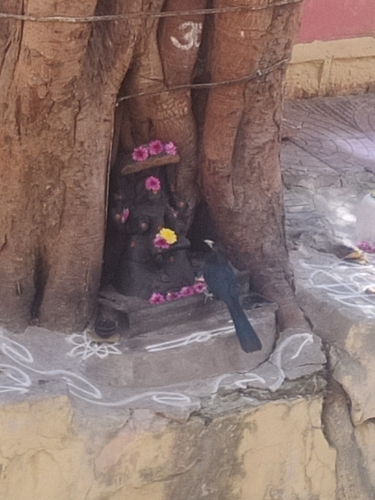 asian koel
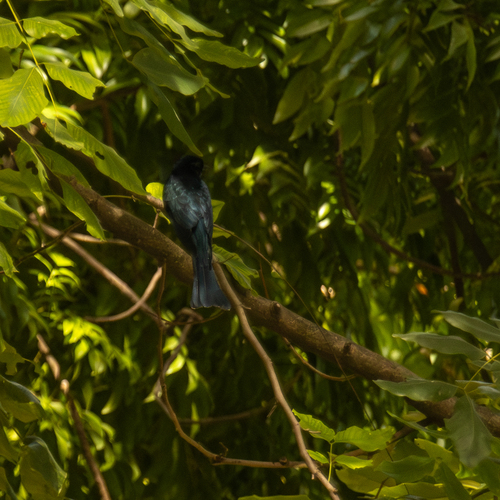 square-tailed drongo-cuckoo
Em resumo
A marca de campo mais confiável entre asian koel e square-tailed drongo-cuckoo é a presença de uma faixa branca nas asas visível de baixo em voo no drongo-cuckoo, que o koel não possui em nenhuma idade. Se você ver um grande black cuckoo brilhante sem nenhuma branca na parte inferior da asa, é provável que seja um asian koel; se você ver um pássaro menor, parecido com um drongo, com um ventrículo listrado de branco e uma faixa branca nas asas em voo, é o drongo-cuckoo. O formato do bico também é fundamental: o bico do koel é claro e reto, enquanto o do drongo-cuckoo é escuro e distintamente curvado para baixo. O formato da cauda e as marcas no ventrículo ajudam ainda mais: o koel tem uma cauda longa e arredondada (macho) ou uma cauda marrom listrada (fêmea/imatura), enquanto a cauda do drongo-cuckoo é apenas levemente recortada com pontas alargadas e listras brancas na parte inferior. As vocalizações são muito diferentes, e o contexto (espécie hospedeira, habitat) também pode ajudar.
Dicas de identificação
- Faixa branca nas asas em voo: Apenas o square-tailed drongo-cuckoo mostra uma faixa branca nas asas de baixo ao voar; o asian koel nunca faz isso. Esta é a marca mais confiável para pássaros em voo de qualquer idade.
- Formato e cor do bico: O asian koel tem um bico reto, de cor cinza-esverdeada clara (adultos) ou bico preto (imaturos); o square-tailed drongo-cuckoo tem um bico escuro, distintamente curvado para baixo. Isso é visível mesmo à distância com boa luz.
- Formato e marcas da cauda: A cauda do koel é longa e arredondada (macho) ou listrada e marrom (fêmea/imatura); a cauda do drongo-cuckoo é apenas levemente recortada, com pontas alargadas e listras brancas na parte inferior. O koel nunca mostra branco na parte inferior da cauda.
- Ventrículo e parte inferior da cauda: O drongo-cuckoo sempre tem um ventrículo listrado de branco e parte inferior da cauda externa; as partes inferiores do koel são listradas (fêmea/imatura) ou lisas (macho), mas nunca listradas no ventrículo.
- Tamanho e estrutura geral: O koel é muito maior, mais robusto e com cauda mais longa. O drongo-cuckoo é do tamanho de um drongo, mais compacto e ágil.
- Brilho da plumagem: O macho adulto do koel é brilhante, azul-escuro; o drongo-cuckoo é preto brilhante, mas menor e mais compacto. A fêmea/imatura do koel é marrom com listras ruivas e manchas pesadas, ao contrário do drongo-cuckoo.
- Cor da íris: O macho adulto do koel tem uma íris carmesim marcante; isso é menos óbvio no campo, mas pode ajudar à queima-roupa. A íris do drongo-cuckoo não é notada como distintiva.
- Postura em repouso: O koel pousa ereto e muitas vezes parece pesado e de cauda longa; o drongo-cuckoo pousa mais como um drongo, ereto, mas mais esguio, às vezes balançando a cauda.
- Contexto do habitat: Em áreas urbanas ou abertas, o koel é mais provável; em florestas densas, o drongo-cuckoo é mais provável.
- Contexto do hospedeiro: Se visto perto de corvos ou mynas, o koel é mais provável; se perto de pequenos babblers, o drongo-cuckoo é mais provável.
- Voz: O 'koo-Ooo' ou 'kik-kik-kik...' do koel é muito diferente dos apitos agudos e ascendentes do drongo-cuckoo. Se você ouvir o chamado clássico do koel, não é o drongo-cuckoo.
- Armadilhas de sexo e idade: As fêmeas e imaturos do koel podem ser confundidos com o drongo-cuckoo devido à plumagem marrom e listrada, mas sempre carecem do ventrículo listrado de branco e da faixa nas asas. Os jovens koels têm um bico preto, mas ainda carecem das marcas brancas do drongo-cuckoo.
- Estilo de voo: O voo do koel é pesado e direto; o drongo-cuckoo é mais ágil e parecido com um drongo, com movimentos rápidos e saltitantes.
- Contexto sazonal: Ambas as espécies são mais vocais na época de reprodução, mas os chamados do koel são muito mais prováveis de serem ouvidos em áreas urbanas durante esse tempo.
- Sobreposição geográfica: Ambas as espécies se sobrepõem em partes do Sudeste Asiático, mas verifique o habitat e o contexto do hospedeiro para mais pistas.
Tamanho
O asian koel é muito maior (39–46 cm, 190–327 g) do que o square-tailed drongo-cuckoo, que é notavelmente menor e mais esguio. O koel é um black cuckoo pesado e de cauda longa, enquanto o drongo-cuckoo é do tamanho de um drongo, mais compacto e leve. Em comparação direta, o koel parecerá mais robusto e longo tanto em repouso quanto em voo.
Plumagem
Os juvenis e imaturos do asian koel se assemelham às fêmeas adultas: marrons por cima com listras ruivas na cabeça, costas e coberturas das asas marrons escuras com manchas brancas/bege, e partes inferiores brancas fortemente listradas. Os jovens koels têm um bico preto. Os machos adultos do koel são brilhantes, azul-escuro por toda parte, com um bico cinza-esverdeado claro e íris carmesim, sem nenhuma branca na parte inferior da asa ou ventrículo. Em contraste, o square-tailed drongo-cuckoo de todas as idades apresenta uma plumagem preta brilhante com um ventrículo listrado de branco e parte inferior da cauda externa, e em voo, uma faixa branca nas asas visível de baixo. A cauda do drongo-cuckoo é apenas levemente recortada, com pontas alargadas e listras brancas na parte inferior, nunca tão longa ou arredondada quanto a do koel. O koel nunca mostra uma faixa branca nas asas ou ventrículo listrado.
Comportamento
O asian koel é frequentemente visto forrageando em árvores frutíferas ou chamando conspicuamente de altos poleiros, às vezes em áreas urbanas ou abertas. É um parasita de ninho, mas seus hospedeiros são frequentemente pássaros maiores (por exemplo, corvos, mynas). O square-tailed drongo-cuckoo é mais provável de ser visto em habitats florestais, movendo-se ativamente e às vezes saltando como um drongo. Seu comportamento mimético de drongo inclui pousos eretos e voos rápidos e ágeis. Ambos são parasitas de ninho, mas o drongo-cuckoo visa pequenos babblers.
Habitat
O asian koel é amplamente distribuído no subcontinente indiano, China e Sudeste Asiático, e se adapta bem a habitats urbanos, rurais e florestas abertas. É frequentemente encontrado perto de habitações humanas, especialmente onde as espécies hospedeiras são comuns. O square-tailed drongo-cuckoo prefere áreas florestais ao longo do Himalaia e no Sudeste Asiático, geralmente em florestas mais densas e menos frequentemente em ambientes urbanos. Se você estiver em uma floresta densa, o drongo-cuckoo é mais provável; em jardins ou parques urbanos, o koel é mais provável.
Voz
O asian koel tem uma canção muito distinta e repetida de 'koo-Ooo' (macho) e um 'kik-kik-kik...' estridente (fêmea), especialmente durante a época de reprodução. Esses chamados são altos, de longa distância e familiares em grande parte de sua área de distribuição. O square-tailed drongo-cuckoo emite uma série de apitos agudos e penetrantes que aumentam de tom, mas são estridentes e picados, muito diferentes da canção suave e repetitiva do koel. Se você ouvir um apito ascendente e picado, pense no drongo-cuckoo; se você ouvir o chamado clássico do 'koel', é o koel.
asian koel · square-tailed drongo-cuckoo · Minhas aves difíceis