

andorinhão-real vs andorinhão-preto
Tachymarptis melba versus Apus apus
Jogue um quiz com andorinhão-real e andorinhão-preto
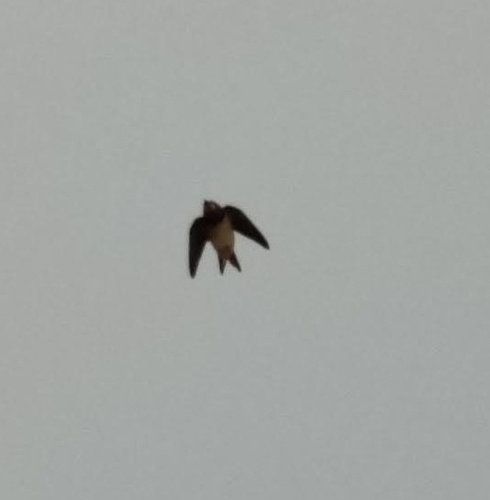 andorinhão-real
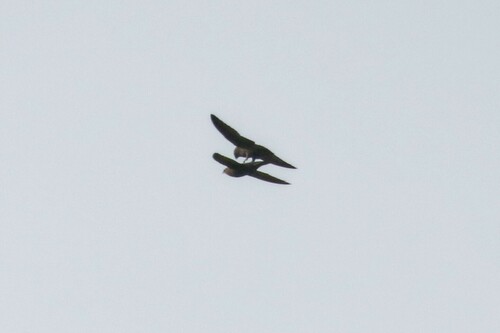 andorinhão-preto
Em resumo
A maneira mais confiável de separar andorinhão-real de andorinhão-preto é pelo tamanho e padrão das partes inferiores: andorinhão-real é muito maior e apresenta uma barriga e garganta brancas marcantes, divididas por uma faixa escura no peito, enquanto andorinhão-preto é menor e uniformemente escuro na parte inferior, exceto por uma pequena mancha clara no queixo. Ambas as espécies têm asas longas e recuadas e uma cauda bifurcada, mas as asas do andorinhão-real são mais largas e seu voo é mais lento e poderoso. Os jovens andorinhões-reais parecem semelhantes aos adultos, mas com bordas de penas claras, enquanto os andorinhões-pretos permanecem totalmente escuros. Essas diferenças são visíveis em voo e em repouso, mas são mais óbvias quando as aves fazem curvas ou mostram suas partes inferiores.
Dicas de identificação
- O tamanho é a primeira pista: andorinhão-real é quase duas vezes maior que andorinhão-preto. Se um andorinhão parecer incomumente grande e robusto em comparação com os outros, considere andorinhão-real.
- Padrão das partes inferiores: andorinhão-real apresenta uma barriga e garganta brancas ousadas, divididas por uma faixa escura no peito. Isso é visível em todas as idades e é diagnóstico em voo ou quando empoleirado. andorinhão-preto é uniformemente escuro na parte inferior, com apenas uma pequena mancha clara no queixo que raramente é visível no campo.
- Forma e largura das asas: as asas do andorinhão-real são mais largas e menos semelhantes a uma foice do que as do andorinhão-preto. Em voo, andorinhão-real pode lembrar um grande andorinhão-da-casa ou andorinha-de-barn, mas com asas mais longas e um corpo mais robusto.
- Cauda bifurcada: ambas as espécies têm caudas bifurcadas, mas a bifurcação do andorinhão-real é mais rasa e a cauda parece mais larga. A cauda do andorinhão-preto é mais fina e a bifurcação pode parecer mais profunda, especialmente quando aberta.
- Estilo de voo: andorinhão-real voa com batidas de asas mais lentas e profundas e planam com mais frequência, dando uma impressão poderosa e estável. andorinhão-preto é muito mais rápido e errático, com batidas de asas rápidas e tremulantes e curvas ágeis.
- Plumagem juvenil: os jovens andorinhões-reais têm penas com bordas claras nas partes superiores, mas ainda mostram a barriga e garganta brancas. Os jovens andorinhões-pretos são totalmente escuros, combinando com os adultos.
- Armadilhas de plumagem: em luz fraca, as partes inferiores brancas do andorinhão-real podem parecer mais opacas, mas o contraste com a faixa escura no peito e os flancos permanece. andorinhão-preto nunca mostra uma barriga ou garganta brancas.
- Visões empoleiradas: andorinhão-real é mais propenso a empoleirar-se em penhascos ou grandes edifícios, às vezes visível em repouso. andorinhão-preto é raramente visto empoleirado, exceto no ninho, e é mais discreto.
- Contexto de habitat: andorinhão-real é mais frequentemente visto sobre montanhas, penhascos ou grandes estruturas urbanas, especialmente no sul da Europa e na Ásia. andorinhão-preto é amplamente distribuído em cidades e áreas de planície na Europa e na Ásia.
- Vocalizações: Ouça o chilrear prolongado do andorinhão-real, que é menos agudo do que os gritos penetrantes do andorinhão-preto. Se você ouvir uma festa gritando, é provável que seja andorinhão-preto.
- Composição do bando: se você ver um bando misto, procure as aves maiores e de barriga mais clara entre os andorinhões menores e totalmente escuros.
- Contexto sazonal: ambas as espécies são migratórias, mas andorinhão-real tende a chegar mais cedo na primavera no sul da Europa e é mais provável de ser visto em grandes bandos soltos sobre penhascos ou cidades.
- Sexo e idade: não há diferenças sexuais significativas nas marcas de campo para nenhuma das espécies; as diferenças de idade são sutis e afetam principalmente as bordas das penas nos juvenis de andorinhão-real.
- Distância e luz: a grandes distâncias ou em silhueta, o tamanho e o estilo de voo são as melhores pistas. Em boa luz, as partes inferiores brancas do andorinhão-real são inconfundíveis.
- Armadilhas comuns: não confunda a barriga branca do andorinhão-real com o queixo claro do andorinhão-preto; este último é pequeno e raramente visível. Sempre verifique a extensão e a posição do branco nas partes inferiores.
Tamanho
andorinhão-real é quase duas vezes o tamanho de andorinhão-preto. andorinhão-real mede cerca de 20–23 cm de comprimento, com uma envergadura de 54–60 cm e uma massa corporal em torno de 96 g [wikidata]; andorinhão-preto mede 16–17 cm de comprimento, com uma envergadura de 38–40 cm e é muito mais leve. No campo, andorinhão-real parece mais robusto, com asas mais largas e um corpo mais robusto, enquanto andorinhão-preto é visivelmente mais esbelto e ágil.
Plumagem
- Juvenis e imaturos: os jovens andorinhões-reais se assemelham aos adultos, mas têm bordas de penas claras, especialmente nas partes superiores, o que pode dar uma aparência ligeiramente escamosa em plumagem nova. Os jovens andorinhões-pretos são totalmente escuros como os adultos, sem manchas claras ou brancas nas partes inferiores.
- Adultos: andorinhão-real é marrom escuro por cima, com uma garganta branca e uma grande mancha branca oval na barriga, separada por uma faixa escura no peito e cercada por flancos marrons e coberturas da cauda. O branco na garganta e na barriga é altamente visível em voo, especialmente de baixo. andorinhão-preto é uniformemente negro-acastanhado, com apenas uma pequena mancha clara no queixo, que não é visível à distância; caso contrário, as partes inferiores são totalmente escuras. Ambas as espécies têm asas longas e recuadas e uma cauda curta e bifurcada, mas as asas do andorinhão-real são mais largas e a bifurcação da cauda é mais rasa.
Comportamento
andorinhão-real tem um voo mais lento e poderoso, com batidas de asas profundas e constantes, frequentemente descrito como mais 'muscular' ou 'deliberado' em comparação com o voo rápido, ágil e altamente acrobático do andorinhão-preto. andorinhões-reais podem parecer planear mais e às vezes podem ser vistos circulando em bandos soltos, enquanto andorinhões-pretos estão quase sempre em voo rápido e errático, frequentemente gritando em grupos apertados. Ambas as espécies passam a maior parte de suas vidas em voo, mas o estilo de voo do andorinhão-real é notavelmente menos frenético.
Habitat
andorinhão-real se reproduz em regiões montanhosas, frequentemente nidificando em penhascos ou edifícios altos no sul da Europa, África e Ásia. Eles são mais propensos a serem encontrados em ou perto de áreas elevadas ou grandes estruturas urbanas que imitam penhascos. andorinhão-preto é mais amplamente distribuído em áreas de planície, frequentemente nidificando em cidades e vilarejos em toda a Europa e Ásia, muitas vezes sob beirais ou em fendas de edifícios. Embora ambos possam ser vistos sobre áreas urbanas, andorinhão-real está mais ligado a habitats montanhosos ou de penhascos, especialmente durante a reprodução.
Voz
andorinhão-real emite um chamado de chilrear prolongado, que é menos penetrante do que o grito alto e agudo do andorinhão-preto. Os chamados do andorinhão-preto são notas agudas e gritando 'srii', frequentemente emitidas em rápida sucessão e em grupos, com machos e fêmeas produzindo alturas ligeiramente diferentes. Os chamados do andorinhão-real são menos propensos a serem ouvidos como uma festa gritando acima.