

biguá
Nannopterum brasilianum
Cormorants and Shags (Phalacrocoracidae) · Suliformes · Biguás e Biguatingas
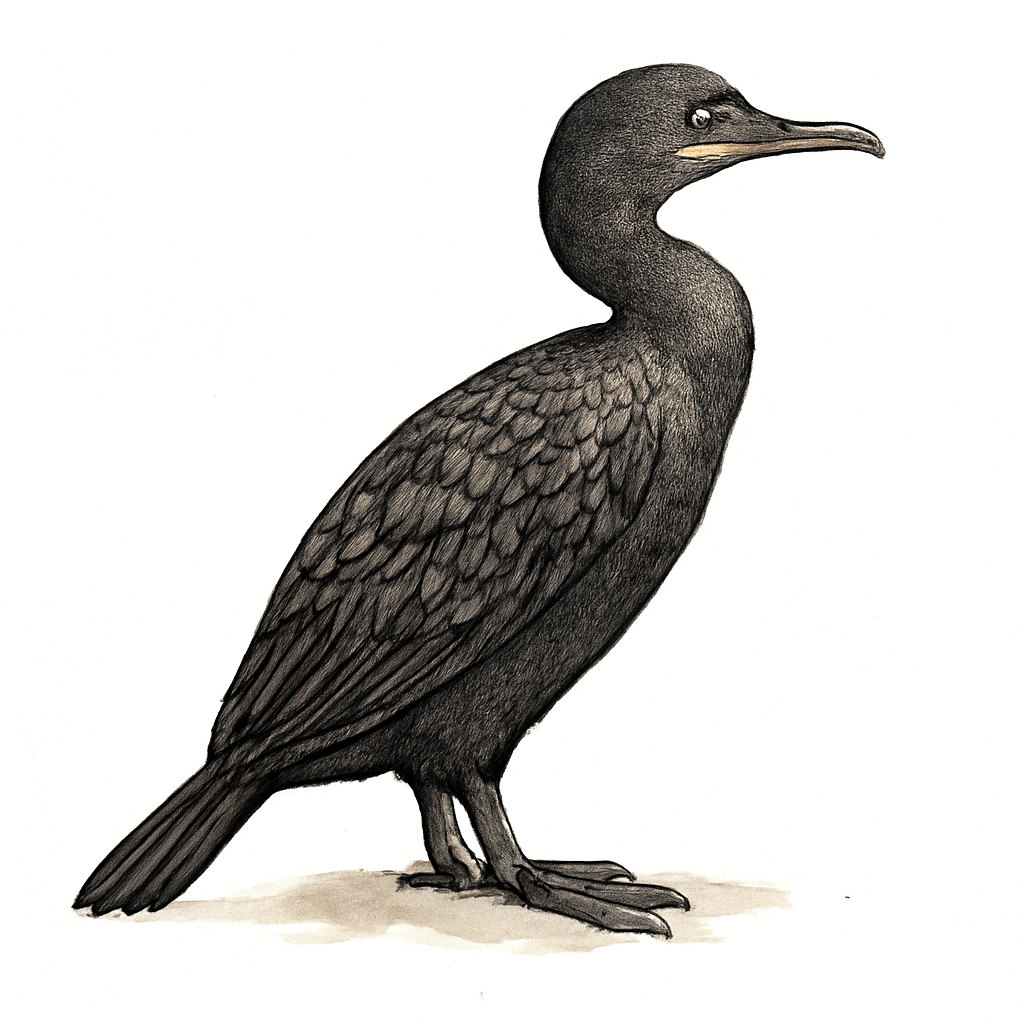
Jogue um quiz com biguá e espécies parecidas
Ver todas as fotos, vídeos e sons
Revisão necessária
O Motmot é um projeto da comunidade, e muitas fotos ainda precisam de um olhar humano. Se você conhece esta ave, pode ajudar revisando as imagens.
O-o, os créditos de IA acabaram. Eu desenvolvo o Motmot no tempo livre, e agora não há financiamento. Se quiser ajudar a crescer, escreva para info@motmot.club.
Como identificar biguá
Escrevendo as notas de identificação…
Isso busca notas de identificação em fontes abertas e pede ao modelo que as escreva. Pode levar um minuto.
Entre para gerar notas de identificação desta ave.
Muitas vezes confundido com
Nos quizzes, os jogadores mais confundem biguá com estas aves—ou esta espécie foi escolhida por engano, ou o contrário.
| Espécies | Confusões |
|---|---|
| corvo-marinho-d'orelhas Nannopterum auritum | 14 |
| biguatinga Anhinga anhinga | 8 |
| pelagic cormorant Urile pelagicus | 3 |
| corvo-marinho-comum Phalacrocorax carbo | 3 |
| alma-de-gato Piaya cayana | 1 |
Família
Phalacrocoracidae is a family of approximately 40 species of aquatic birds found worldwide and commonly known as cormorants and shags. Several different classifications of the family have been proposed, but in 2021 the International Ornithologists' Union (IOU) adopted a consensus taxonomy of seven genera. The great cormorant (Phalacrocorax carbo) and the common shag (Gulosus aristotelis) are the only two species of the family commonly encountered in Britain and Ireland.
Ordem
The order Suliformes (, dubbed "Phalacrocoraciformes" by Christidis & Boles 2008) is an order of birds that includes gannets, boobies, frigatebirds, cormorants and darters. The order is recognised by the International Ornithologist's Union. Regarding the recent evidence that the traditional Pelecaniformes is polyphyletic, it has been suggested that the group be divided to reflect the true evolutionary relationships; a 2017 study indicated that they are most closely related to Otidiformes (bustards) and Ciconiiformes (storks).