

Motmot

Moerassneeuwhoen vs Regenstormvogel

Lagopus lagopus versus Pterodroma inexpectata

Speel een quiz met Moerassneeuwhoen en Regenstormvogel
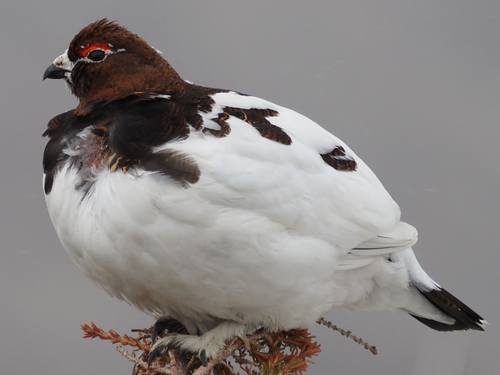
Moerassneeuwhoen (Lagopus lagopus) Moerassneeuwhoen
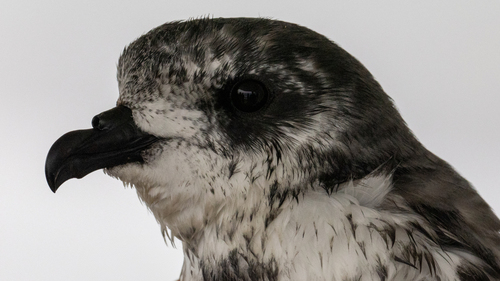
Regenstormvogel (Pterodroma inexpectata) Regenstormvogel

Media

Laden…

Kort gezegd

The most reliable field mark to separate Willow Ptarmigan from Mottled Petrel is overall structure and context: Willow Ptarmigan is a heavy-bodied, ground-dwelling grouse with a thick bill, short tail, and feathered legs, while Mottled Petrel is a slim, long-winged seabird seen almost exclusively in flight over open ocean. In flight, ptarmigan show broad, rounded wings and a short, rounded tail, while petrels have long, narrow, pointed wings and a wedge-shaped tail. Ptarmigan are terrestrial and never seen at sea; petrels are strictly pelagic and never found on land except at burrow nests. Plumage is also distinct: ptarmigan are brown or white depending on season, with white wings year-round, while petrels are always gray-mottled above with a pale belly. If you see a bird on the ground or in tundra, it's a ptarmigan; if it's arcing over waves, it's a petrel.

Herkenningstips

  1. Habitat is decisive: Willow Ptarmigan are never seen at sea; Mottled Petrel is never seen inland or on tundra. Any bird on open water is a petrel, any bird on tundra or in shrubby ground is a ptarmigan.
  2. Flight style: Ptarmigan fly with short, direct bursts and rounded wings; petrels glide and arc with long, pointed wings and rarely flap rapidly.
  3. Wing shape: Ptarmigan wings are broad, rounded, and entirely white (all ages, all seasons); petrel wings are long, narrow, pointed, and show a contrasting dark-and-light pattern.
  4. Tail shape: Ptarmigan have a short, rounded tail with a black tip; petrels have a longer, wedge-shaped tail.
  5. Bill structure: Ptarmigan have a thick, broad, feathered bill suited for browsing; petrels have a slender, hooked bill adapted for catching marine prey.
  6. Legs and feet: Ptarmigan legs are heavily feathered and feet are adapted for walking on snow; petrels have unfeathered legs and webbed feet for swimming, but are rarely seen except in flight.
  7. Plumage (seasonal): Ptarmigan are brown with reddish tones in summer, all-white in winter (except black tail corners), with white wings year-round. Petrel is always gray-mottled above, pale below, never white-winged.
  8. Sexual dimorphism: Male ptarmigan show red eye combs in breeding season; petrels show no obvious sexual differences in the field.
  9. Size impression: Ptarmigan appear bulky and deep-chested, with a thick neck; petrels are slim, long-winged, and streamlined.
  10. Behavior on ground: Ptarmigan walk or run and may flush when approached; petrels are never seen walking except at remote nest burrows.
  11. Flock structure: Ptarmigan may form family groups or small flocks in late summer/fall; petrels are usually solitary or in pairs at sea.
  12. Juvenile confusion: Juvenile ptarmigan look like adults; no distinctive juvenile marks are noted for petrel, but both species' young are rarely seen except at nest sites.
  13. Context clues: If you see a bird in a forest edge, moorland, or tundra, it's a ptarmigan; if over open ocean, it's a petrel.
  14. Tail color: Ptarmigan always show black outer tail feathers; petrels have a uniformly gray-mottled tail.
  15. Eye combs: Only ptarmigan show red eye combs above the eye in breeding males; petrels never show this feature.

Grootte

Willow Ptarmigan is much heavier and bulkier (average mass 650 g) than Mottled Petrel (average mass 263.6 g), despite similar body lengths (ptarmigan 35–44 cm, petrel 33–35 cm). Ptarmigan have a shorter wingspan (60–65 cm) compared to the petrel's much longer wingspan (74–82 cm). In the field, ptarmigan appear deep-chested and robust, while petrels are slim and streamlined.

Verenkleed

No age-specific upperwing or flight pattern marks are described for either species, but overall plumage is highly distinctive. Willow Ptarmigan, regardless of age, have white wings year-round, with body plumage changing from marbled brown with reddish tones in summer to all-white in winter (except for black outer tail feathers). Males show prominent red eye combs in breeding season. Females are similar but duller, with some brown on the belly. Mottled Petrel is always gray-mottled above with a pale underbody, never showing the pure white wings or seasonal color change of ptarmigan. In flight, petrels show a contrasting dark-and-light pattern on long, pointed wings, while ptarmigan wings are broad, rounded, and entirely white. Juvenile and immature ptarmigan resemble adults; no juvenile-specific marks are noted for petrel.

Gedrag

Willow Ptarmigan are terrestrial, walking or running on the ground, often in open tundra or shrubby areas, and rarely fly except when flushed. Their flight is direct but short, with rapid wingbeats and a rounded wing profile. Mottled Petrel is highly pelagic, rarely seen on land except at nest burrows, and spends almost all its time flying over open ocean. Petrels fly with a buoyant, arcing flight, using long glides and shallow wingbeats, and are never seen walking or perching in open.

Habitat

Willow Ptarmigan inhabit northern forests, moorlands, and tundra, often below treeline, and are never found at sea. Mottled Petrel is strictly a seabird, breeding on remote New Zealand islands and otherwise ranging widely over the open Pacific and subarctic seas. If observed on land, ptarmigan are in vegetated, often shrubby or tundra habitats; petrels are only on land at remote burrow colonies, otherwise always over water.

Stuur een betere beschrijving

Gebruik dezelfde onderdelen als de vergelijking. Je tekst staat meteen live.

The most reliable field mark to separate Willow Ptarmigan from Mottled Petrel is overall structure and context: Willow Ptarmigan is a heavy-bodied, ground-dwelling grouse with a thick bill, short tail, and feathered legs, while Mottled Petrel is a slim, long-winged seabird seen almost exclusively in flight over open ocean. In flight, ptarmigan show broad, rounded wings and a short, rounded tail, while petrels have long, narrow, pointed wings and a wedge-shaped tail. Ptarmigan are terrestrial and never seen at sea; petrels are strictly pelagic and never found on land except at burrow nests. Plumage is also distinct: ptarmigan are brown or white depending on season, with white wings year-round, while petrels are always gray-mottled above with a pale belly. If you see a bird on the ground or in tundra, it's a ptarmigan; if it's arcing over waves, it's a petrel.

  1. Habitat is decisive: Willow Ptarmigan are never seen at sea; Mottled Petrel is never seen inland or on tundra. Any bird on open water is a petrel, any bird on tundra or in shrubby ground is a ptarmigan.
  2. Flight style: Ptarmigan fly with short, direct bursts and rounded wings; petrels glide and arc with long, pointed wings and rarely flap rapidly.
  3. Wing shape: Ptarmigan wings are broad, rounded, and entirely white (all ages, all seasons); petrel wings are long, narrow, pointed, and show a contrasting dark-and-light pattern.
  4. Tail shape: Ptarmigan have a short, rounded tail with a black tip; petrels have a longer, wedge-shaped tail.
  5. Bill structure: Ptarmigan have a thick, broad, feathered bill suited for browsing; petrels have a slender, hooked bill adapted for catching marine prey.
  6. Legs and feet: Ptarmigan legs are heavily feathered and feet are adapted for walking on snow; petrels have unfeathered legs and webbed feet for swimming, but are rarely seen except in flight.
  7. Plumage (seasonal): Ptarmigan are brown with reddish tones in summer, all-white in winter (except black tail corners), with white wings year-round. Petrel is always gray-mottled above, pale below, never white-winged.
  8. Sexual dimorphism: Male ptarmigan show red eye combs in breeding season; petrels show no obvious sexual differences in the field.
  9. Size impression: Ptarmigan appear bulky and deep-chested, with a thick neck; petrels are slim, long-winged, and streamlined.
  10. Behavior on ground: Ptarmigan walk or run and may flush when approached; petrels are never seen walking except at remote nest burrows.
  11. Flock structure: Ptarmigan may form family groups or small flocks in late summer/fall; petrels are usually solitary or in pairs at sea.
  12. Juvenile confusion: Juvenile ptarmigan look like adults; no distinctive juvenile marks are noted for petrel, but both species' young are rarely seen except at nest sites.
  13. Context clues: If you see a bird in a forest edge, moorland, or tundra, it's a ptarmigan; if over open ocean, it's a petrel.
  14. Tail color: Ptarmigan always show black outer tail feathers; petrels have a uniformly gray-mottled tail.
  15. Eye combs: Only ptarmigan show red eye combs above the eye in breeding males; petrels never show this feature.

Willow Ptarmigan is much heavier and bulkier (average mass 650 g) than Mottled Petrel (average mass 263.6 g), despite similar body lengths (ptarmigan 35–44 cm, petrel 33–35 cm). Ptarmigan have a shorter wingspan (60–65 cm) compared to the petrel's much longer wingspan (74–82 cm). In the field, ptarmigan appear deep-chested and robust, while petrels are slim and streamlined.

No age-specific upperwing or flight pattern marks are described for either species, but overall plumage is highly distinctive. Willow Ptarmigan, regardless of age, have white wings year-round, with body plumage changing from marbled brown with reddish tones in summer to all-white in winter (except for black outer tail feathers). Males show prominent red eye combs in breeding season. Females are similar but duller, with some brown on the belly. Mottled Petrel is always gray-mottled above with a pale underbody, never showing the pure white wings or seasonal color change of ptarmigan. In flight, petrels show a contrasting dark-and-light pattern on long, pointed wings, while ptarmigan wings are broad, rounded, and entirely white. Juvenile and immature ptarmigan resemble adults; no juvenile-specific marks are noted for petrel.

Willow Ptarmigan are terrestrial, walking or running on the ground, often in open tundra or shrubby areas, and rarely fly except when flushed. Their flight is direct but short, with rapid wingbeats and a rounded wing profile. Mottled Petrel is highly pelagic, rarely seen on land except at nest burrows, and spends almost all its time flying over open ocean. Petrels fly with a buoyant, arcing flight, using long glides and shallow wingbeats, and are never seen walking or perching in open.

Willow Ptarmigan inhabit northern forests, moorlands, and tundra, often below treeline, and are never found at sea. Mottled Petrel is strictly a seabird, breeding on remote New Zealand islands and otherwise ranging widely over the open Pacific and subarctic seas. If observed on land, ptarmigan are in vegetated, often shrubby or tundra habitats; petrels are only on land at remote burrow colonies, otherwise always over water.

Wijzigingen weggooien?

Je hebt niet-opgeslagen wijzigingen. Als je nu weggaat, gaan die verloren.

Moerassneeuwhoen · Regenstormvogel · Mijn lastige vogels