

Penanbaardbuulbuul vs Rosse baardbuulbuul
Alophoixus ruficrissus versus Alophoixus ochraceus
Speel een quiz met Penanbaardbuulbuul en Rosse baardbuulbuul
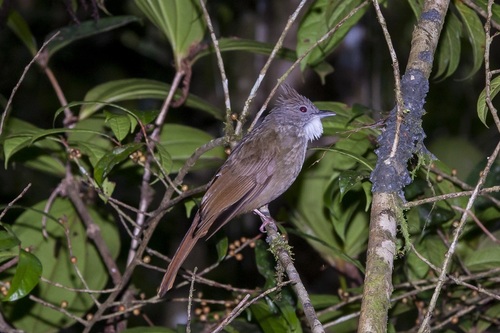 Penanbaardbuulbuul
 Rosse baardbuulbuul
Kort gezegd
De meest betrouwbare manier om Penanbaardbuulbuul van Rosse baardbuulbuul in het veld te scheiden, is op basis van het verspreidingsgebied: Penanbaardbuulbuul is beperkt tot Borneo, terwijl Rosse baardbuulbuul voorkomt van het vasteland van Zuidoost-Azië tot Sumatra en Borneo niet bereikt. Beide soorten zijn zeer vergelijkbaar in structuur en verenkleed, en worden typisch gezien in de middenlaag van het altijdgroene regenwoud tot 1500 m hoogte. Als je aan het vogels kijken bent in Borneo, kijk je vrijwel zeker naar Penanbaardbuulbuul; elders in Zuidoost-Azië of Sumatra zal het Rosse zijn. Er zijn geen consistente verschillen in verenkleed, structuur of stem gedocumenteerd in de beschikbare bronnen, dus locatie is cruciaal. Als je een vogel buiten deze gebieden tegenkomt, is identificatie onzeker en moet met voorzichtigheid worden behandeld.
Herkenningstips
- Geografisch bereik is het belangrijkste veldkenmerk: Penanbaardbuulbuul is endemisch voor Borneo. Als je aan het vogels kijken bent in Borneo, kijk je naar Penanbaardbuulbuul. Rosse baardbuulbuul komt voor van het vasteland van Zuidoost-Azië tot Sumatra en komt niet voor op Borneo.
- Habitatoverlap: Beide soorten gebruiken hetzelfde type habitat (middenlaag van breedbladige altijdgroene en regenwouden tot 1500 m), dus alleen habitat scheidt ze niet.
- Verenkleed vergelijkbaarheid: Er zijn geen consistente verschillen in verenkleed, inclusief leeftijdspecifieke kenmerken, gedocumenteerd. Beide soorten hebben een vergelijkbare kleur en patroon die typisch zijn voor Alophoixus-baardbuulbuuls.
- Geen bekende structurele verschillen: De vorm van de snavel, de lengte van de staart, de vleugelformule en de algehele structuur verschillen niet tussen de twee.
- Gedragsvergelijkbaarheid: Beide soorten gedragen zich vergelijkbaar in de middenlaag van het bos, dus voederstijl of beweging helpt niet bij identificatie.
- Vocalisaties zijn niet diagnostisch: Er zijn geen verschillen in zang of roep beschreven in de beschikbare bronnen.
- Jong/immatuur vogels: Er zijn geen onderscheidende jong of immatuur bovenvleugel of vluchtkenmerken gerapporteerd voor beide soorten, dus leeftijd helpt niet bij scheiding.
- Geslacht en seizoen: Er zijn geen seksuele dimorfisme of seizoensgebonden verenkleedverschillen opgemerkt voor beide soorten die zouden helpen bij identificatie.
- Quiz valkuilen: De meeste verwarringen ontstaan door verwarring over het bereik. Controleer altijd eerst je locatie - als je op Borneo bent, sluit Rosse baardbuulbuul uit; als je op Sumatra of het vasteland van Zuidoost-Azië bent, sluit Penanbaardbuulbuul uit.
- Als buiten bekende gebieden: Als je een vogel buiten deze gebieden tegenkomt, is identificatie onzeker en moet zorgvuldig worden gedocumenteerd, aangezien zwerfvogels niet zijn vastgesteld voor beide soorten.
- In gemengde groepen: Beide soorten kunnen voorkomen met andere Alophoixus-baardbuulbuuls, maar niet met elkaar vanwege niet-overlappende gebieden.
- Fotografische gegevens: Foto's alleen zullen deze twee niet scheiden; altijd annoteren met een nauwkeurige locatie.
- eBird/atlas gegevens: Gebruik lokale abundantiegegevens om de verwachte soorten voor jouw locatie te bevestigen.
- Als je twijfelt: Bij twijfel en buiten Borneo, ga uit van Rosse baardbuulbuul; op Borneo, ga uit van Penanbaardbuulbuul.
- Documentatie: Voor zeldzame of onverwachte waarnemingen, verzamel zoveel mogelijk details, inclusief habitat, gedrag en vooral nauwkeurige locatie.
Grootte
Er zijn geen grootte- of massa-verschillen gedocumenteerd tussen deze twee soorten in de beschikbare bronnen. Beide zijn middelgrote baardbuulbuuls die typisch zijn voor het geslacht Alophoixus, met vergelijkbare verhoudingen en uitstraling.
Verenkleed
Er zijn geen veld-diagnostische verenkleedverschillen (inclusief leeftijdspecifieke bovenvleugel of vluchtkenmerken) beschreven tussen Penanbaardbuulbuul en Rosse baardbuulbuul in de huidige bronnen. Beide soorten delen een vergelijkbare algehele kleur en patroon die typisch zijn voor Alophoixus-baardbuulbuuls, en er zijn geen jong of immatuur-specifieke kenmerken opgemerkt. Als je een vogel in de hand hebt of een duidelijke foto, zal het verenkleed alleen hen niet betrouwbaar scheiden.
Gedrag
Beide soorten worden beschreven als vogels van de middenlaag van breedbladige altijdgroene en regenwouden, met vergelijkbaar voedergedrag en beweging. Er zijn geen gedragsverschillen opgemerkt in de beschikbare bronnen.
Habitat
Beide soorten bezetten vergelijkbare habitats: de middenlaag van breedbladige altijdgroene en regenwouden tot 1500 meter hoogte. Het enige verschil is geografisch: Penanbaardbuulbuul is beperkt tot Borneo, terwijl Rosse baardbuulbuul voorkomt van het vasteland van Zuidoost-Azië tot Sumatra. Als je in Borneo bent, ben je in het territorium van Penanbaardbuulbuul; elders in de regio, zoek naar Rosse baardbuulbuul.
Geluid
Er zijn geen vocale verschillen beschreven in de beschikbare bronnen. Beide soorten zijn typische Alophoixus-baardbuulbuuls en kunnen vergelijkbare roepen en liederen hebben, maar dit kan niet worden gebruikt voor scheiding op basis van de huidige documentatie.
Penanbaardbuulbuul · Rosse baardbuulbuul · Mijn lastige vogels