
Bruine boszanger vs Tjiftjaf
Phylloscopus fuscatus versus Phylloscopus collybita
Speel een quiz met Bruine boszanger en Tjiftjaf
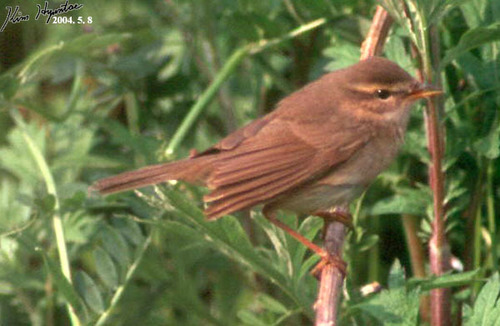 Bruine boszanger
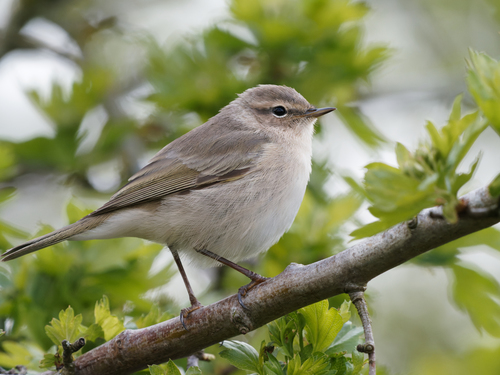 Tjiftjaf
Kort gezegd
Het meest betrouwbare veldkenmerk tussen Bruine boszanger en Tjiftjaf is de algehele toon: Bruine boszanger is eenvoudiger en kouder bruin boven, met een meer prominente, langere witachtige supercilium, terwijl Tjiftjaf olijfbruin boven is met een kortere, minder duidelijke supercilium. Juveniele en versgevederde vogels kunnen bijzonder verwarrend zijn, maar Bruine boszanger mist altijd de olijfachtige of gele tinten van Tjiftjaf. Beide zijn kleine, gedrongen Phylloscopus-zangers met fijne snavels, maar Bruine boszanger is iets donkerder en uniformer, vooral op de bovenkant. Bij twijfel, concentreer je op het gezichtspatroon en de algehele kleur, aangezien vocalisaties en subtiele jizz-verschillen kunnen helpen, maar minder betrouwbaar zijn op afstand of bij stille vogels.
Herkenningstips
- Supercilium lengte en contrast: Bruine boszanger toont een langere, meer prominente witachtige supercilium die goed achter het oog uitsteekt; Tjiftjaf's is korter en minder duidelijk. Dit is vaak het beste enkele kenmerk, vooral bij gezeten vogels.
- Bovenste kleur: Bruine boszanger is eenvoudig, ongestreept bruin boven (koud van toon, soms iets olijfachtig bij juvenielen), terwijl Tjiftjaf olijfbruin boven is, vooral na de vervelling. Let op eventuele groene of gele tinten—deze wijzen op Tjiftjaf.
- Onderste kleur: Bruine boszanger heeft buff onderdelen, zonder enige gele wash. Tjiftjaf kan off-white onderdelen tonen met gele flanken (vooral in verse verenkleed of juvenielen). Als je geel ziet, is het Tjiftjaf.
- Gezichtspatroon: Het gezicht van Bruine boszanger is eenvoudiger en contrasterender door de sterke supercilium; het gezicht van Tjiftjaf is minder gemarkeerd, met een zwakkere supercilium en minder contrast in het algemeen.
- Staartbeweging: Tjiftjaf duikt vaak en zwaait zijn staart van links naar rechts; Bruine boszanger doet dit zelden. Let op dit gedrag wanneer vogels foerageren.
- Primaire projectie: Beide hebben een korte primaire projectie, dus dit is geen sterke scheiding tussen deze twee, hoewel Tjiftjaf hier soms om bekend staat.
- Pootkleur: Beide soorten hebben donkere poten, dus dit is niet nuttig voor scheiding.
- Snavelvorm: Beide hebben fijne, puntige snavels die typisch zijn voor Phylloscopus-zangers; de snavelstructuur is geen scheider.
- Juveniele verwarring: Jonge Bruine boszangers zijn boven meer olijfkleurig dan volwassenen, maar nooit zo olijfachtig of geel als Tjiftjaf. Juveniele Tjiftjafs zijn bruiner boven dan volwassenen, maar worden na de vervelling groener en bleker.
- Zang: Als je een repetitieve 'chiff-chaff' zang hoort, is het Tjiftjaf. Bruine boszanger zingt niet op deze manier.
- Habitat en context: In West-Europa is Tjiftjaf algemeen en verwacht; Bruine boszanger is een zeldzame dwaalgast, meestal in dichte, lage vegetatie. Als je een Phylloscopus-zanger vindt in een typische bos of park, is het bijna zeker Tjiftjaf.
- Seizoen: Tjiftjaf is aanwezig in Europa van het vroege voorjaar tot de herfst, met enkele overwinteringen. Bruine boszanger is alleen waarschijnlijk in de herfst als een dwaalgast.
- Vlucht jizz: Tjiftjaf heeft ronde vleugels in de vlucht, maar dit is subtiel en geen sterk veldkenmerk tussen deze twee.
- Geslachtsverschillen: Beide soorten zijn seksueel monomorf; geslacht kan niet worden bepaald aan de hand van verenkleed of grootte in het veld.
- Valstrikken: Pas op voor versleten of natte vogels, die doffer en bruiner kunnen lijken dan normaal. Controleer altijd op groene of gele tinten en de lengte van de supercilium voordat je een identificatie maakt.
Grootte
Beide soorten zijn zeer vergelijkbaar in grootte en vorm, kleine, compacte bladzangers met fijne, puntige snavels. Tjiftjaf is typisch 10–12 cm lang en weegt 6–8 gram [wikipedia], en Bruine boszanger wordt beschreven als vergelijkbaar in grootte en vorm met Tjiftjaf [wikipedia]. In het veld is grootte geen betrouwbare scheiding tussen deze twee.
Verenkleed
- Juvenielen en verse post-juveniele vogels: Juveniele Bruine boszangers zijn boven meer olijfachtig dan volwassenen, maar missen nog steeds de olijfachtige of gele tinten van Tjiftjaf. Juveniele Tjiftjafs zijn bruiner boven dan volwassenen, met geel-witte onderdelen, maar na hun eerste vervelling (ongeveer 10 weken na het uitvliegen) worden ze helderder en groener boven met een blekere supercilium.
- Volwassenen: Bruine boszanger is ongestreept, eenvoudig bruin boven en buff onder, met een prominente lange witachtige supercilium. Volwassen Tjiftjafs zijn olijfbruin boven, off-white onder (soms geelachtig op de flanken in vers verenkleed), en hebben een korte, minder duidelijke supercilium. Beide hebben fijne, donkere snavels en donkere poten, maar Tjiftjaf kan meer gele tinten tonen in vers verenkleed, vooral op de flanken.
- Vleugelpatroon: Er zijn geen sterke leeftijdspecifieke bovenvleugelmerken of panelen opgemerkt voor beide soorten; beide hebben vrij eenvoudige vleugels. Tjiftjaf heeft een korte primaire projectie, maar dit is subtiel en geen sterk veldkenmerk tussen deze twee.
Gedrag
Tjiftjaf is goed bekend om zijn kenmerkende staartbeweging: een duik gevolgd door een zijwaartse zwaai, die zelden wordt getoond door Bruine boszanger. Beide soorten zijn actieve, insectenetende loofgleaners, maar het staartzwaaien van Tjiftjaf is een nuttige gedragsindicatie. In de vlucht toont Tjiftjaf ronde vleugels, maar dit is subtiel en niet altijd diagnostisch. Beide soorten worden vaak gezien terwijl ze door lage vegetatie of struiken fladderen.
Habitat
Bruine boszanger broedt in het oostelijke Palearctisch gebied, met een voorkeur voor dichte, struikachtige habitats, vooral nabij water. Het is een zeldzame dwaalgast in Europa, meestal te vinden in lage, verwarde vegetatie. Tjiftjaf is een algemene broeder in open bossen, parken en tuinen in heel Europa en het Palearctisch gebied, en overwintert in Zuid-Europa, Azië en Noord-Afrika. In West-Europa is Tjiftjaf veel waarschijnlijker, behalve tijdens piekperioden van dwaalgasten voor Bruine boszanger.
Geluid
Tjiftjaf is genoemd naar zijn eenvoudige, repetitieve 'chiff-chaff' zang, die een belangrijk identificatiekenmerk is in het voorjaar en het vroege zomer. Zijn roep is een zachte 'hweet.' De vocalisaties van Bruine boszanger worden hier niet in detail beschreven, maar zijn niet zo onderscheidend als het lied van Tjiftjaf. Stille vogels kunnen zeer moeilijk zijn, dus vertrouw op verenkleed en structuur wanneer er geen zang te horen is.